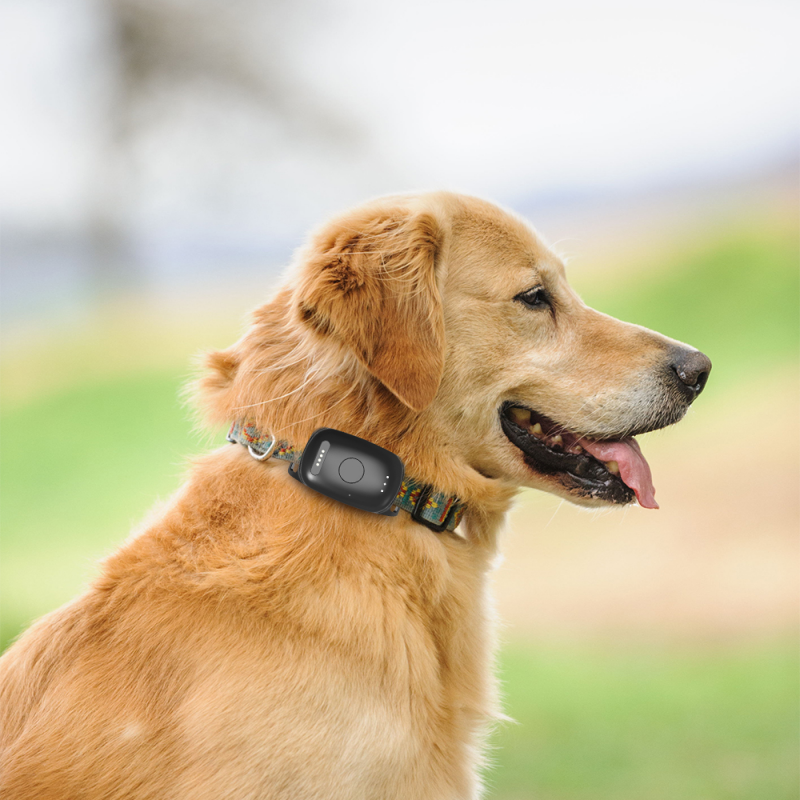
Advanced Animal Trackers Wildlife - GPS Tracking Solutions for Conservation Research

animal trackers wildlife

Animal trackers wildlife represent cutting-edge technology designed to monitor and study wildlife behavior in natural habitats. These sophisticated devices combine GPS tracking, cellular communication, and advanced sensors to provide comprehensive data collection capabilities for researchers, conservationists, and wildlife managers. Modern animal trackers wildlife utilize miniaturized components that minimize impact on tracked species while maximizing data accuracy and transmission reliability. The primary functions of animal trackers wildlife include real-time location monitoring, movement pattern analysis, habitat usage assessment, and behavioral data collection. These devices employ various positioning technologies such as GPS, GLONASS, and Galileo satellite systems to ensure precise location accuracy within meters. Advanced animal trackers wildlife feature accelerometers and gyroscopes that capture detailed movement data, enabling researchers to distinguish between different activities like feeding, resting, or migration. Temperature sensors integrated into animal trackers wildlife monitor environmental conditions and animal physiological responses. Communication capabilities vary from cellular networks to satellite transmission systems, ensuring data reaches researchers regardless of remote locations. Battery life optimization remains crucial, with many animal trackers wildlife featuring solar charging capabilities or ultra-efficient power management systems extending operational periods to several years. Waterproofing and durability standards ensure these devices withstand harsh environmental conditions including extreme temperatures, moisture, and physical impacts. Data storage capabilities allow animal trackers wildlife to continue recording information even when communication links are temporarily unavailable. Modern units feature programmable sampling rates, customizable alert systems, and remote configuration capabilities that allow researchers to adjust settings without recapturing animals. Applications span wildlife conservation, ecological research, endangered species protection, human-wildlife conflict mitigation, and ecosystem management. Animal trackers wildlife prove invaluable for understanding migration routes, breeding behaviors, territorial boundaries, and species interactions, contributing significantly to conservation efforts and scientific knowledge advancement.

New Product Releases

Animal trackers wildlife deliver exceptional value through their comprehensive monitoring capabilities that transform wildlife research and conservation efforts. Researchers gain unprecedented insights into animal behavior patterns without the need for constant field presence, significantly reducing study costs and human interference. These devices provide continuous data streams that capture natural behaviors undisturbed by human observation, ensuring more accurate and representative research outcomes. The real-time tracking capabilities of animal trackers wildlife enable immediate response to critical situations such as poaching threats, injury detection, or animals entering dangerous zones. Conservation teams can implement rapid intervention strategies based on live location data, potentially saving endangered species from immediate threats. Data accuracy improvements represent another significant advantage, as animal trackers wildlife eliminate human error associated with traditional observation methods while providing precise timestamps and coordinates for every recorded event. Researchers can analyze movement patterns with centimeter-level precision, identifying subtle behavioral changes that might indicate environmental stressors or population health issues. Long-term monitoring capabilities allow scientists to study seasonal migrations, breeding cycles, and habitat preferences across multiple years without repeated capture operations that stress animals. The versatility of animal trackers wildlife accommodates various species sizes and behaviors through customizable attachment methods and programmable settings. Cost-effectiveness emerges through reduced fieldwork requirements, as researchers can monitor multiple animals simultaneously from remote locations, optimizing research budgets and personnel allocation. Data integration features enable seamless connection with existing research databases and analysis software, streamlining workflow processes and enhancing collaborative research opportunities. Animal trackers wildlife support evidence-based conservation decisions by providing quantifiable data that influences policy development and habitat protection initiatives. The devices contribute to public engagement through real-time tracking displays that educate communities about wildlife movements and conservation needs. Safety improvements benefit both animals and researchers, as remote monitoring reduces dangerous field encounters while providing emergency location services for research teams. Scalability advantages allow projects to expand monitoring efforts efficiently, adding new subjects without proportional increases in operational complexity. The non-invasive nature of modern animal trackers wildlife minimizes stress on tracked animals, supporting ethical research practices while maintaining data quality standards essential for scientific credibility and conservation success.

Practical Tips

Pet Health and Care Knowledge

12

Nov

Pet Health and Care Knowledge

Explore essential pet health and care insights from Eview GPS, covering tips on pet wellness, tracking, and safety. Keep your pet healthy with our expert advice.
View More
What kind of SIM card should I use?

16

Jun

What kind of SIM card should I use?

Learn about the compatible SIM cards for Eview GPS pet trackers, including recommended network types and configurations for seamless connectivity.
View More
What is Home Wi-Fi Positioning?

12

Nov

What is Home Wi-Fi Positioning?

Learn how home Wi-Fi positioning on Eview GPS devices enhances location accuracy, using Wi-Fi signals for improved indoor tracking of pets.
View More

Get a Free Quote

Our representative will contact you soon.
Email
Name
Company Name
Message
0/1000

animal trackers wildlife

Advanced GPS Technology with Multi-Satellite Integration

Advanced GPS Technology with Multi-Satellite Integration

Animal trackers wildlife incorporate state-of-the-art GPS technology that utilizes multiple satellite constellations including GPS, GLONASS, Galileo, and BeiDou systems to ensure unparalleled location accuracy and reliability. This multi-satellite approach represents a revolutionary advancement in wildlife tracking technology, providing researchers with precision positioning data even in challenging environments such as dense forests, mountainous terrain, or polar regions where traditional single-satellite systems often fail. The sophisticated positioning algorithms employed by these animal trackers wildlife automatically select the optimal satellite constellation based on current atmospheric conditions, geographic location, and signal strength, resulting in location accuracy typically within 2-5 meters under normal conditions. Advanced error correction mechanisms account for atmospheric interference, satellite clock drift, and signal multipath effects that commonly plague inferior tracking systems. The integration of assisted GPS (A-GPS) capabilities enables faster satellite acquisition times, reducing the energy consumption required for position fixes while maintaining exceptional accuracy standards. Modern animal trackers wildlife feature intelligent power management systems that optimize GPS sampling intervals based on animal movement patterns, extending battery life without compromising data quality. During periods of high activity, the devices increase sampling frequency to capture detailed movement patterns, while automatically reducing power consumption during rest periods. The robust antenna design ensures reliable satellite reception even when animals are in challenging positions or environments, while advanced signal processing algorithms filter out interference from urban areas or electronic devices. These technological innovations make animal trackers wildlife indispensable tools for long-term ecological studies, enabling researchers to map precise migration routes, identify critical habitat corridors, and understand fine-scale habitat selection patterns that were previously impossible to document with traditional tracking methods.
Comprehensive Behavioral Analytics and Environmental Monitoring

Comprehensive Behavioral Analytics and Environmental Monitoring

Animal trackers wildlife excel in behavioral analysis through sophisticated sensor integration that captures comprehensive data about animal activities, physiological states, and environmental interactions. Advanced accelerometers and gyroscopes work in tandem to detect and classify specific behaviors such as feeding, grooming, resting, traveling, and social interactions with remarkable accuracy. These sensors operate at high sampling frequencies, collecting thousands of data points per second to create detailed behavioral signatures that researchers can analyze to understand complex animal behavior patterns. Temperature sensors integrated into animal trackers wildlife monitor both ambient environmental conditions and animal body temperature fluctuations, providing crucial insights into thermoregulation strategies, stress responses, and health status. Humidity sensors add another layer of environmental context, helping researchers understand how animals respond to changing weather conditions and climate variations. Advanced animal trackers wildlife incorporate pressure sensors that detect altitude changes and diving behaviors in aquatic species, enabling three-dimensional movement analysis that reveals previously unknown aspects of animal ecology. Machine learning algorithms process this multi-sensor data to automatically classify behaviors, reducing the time researchers spend on manual data interpretation while improving classification accuracy. The behavioral analytics capabilities of animal trackers wildlife enable researchers to identify subtle changes in activity patterns that may indicate disease onset, reproductive status changes, or responses to environmental disturbances. Real-time behavioral alerts can notify researchers of unusual activities such as prolonged inactivity that might indicate injury or distress, enabling rapid response for animal welfare concerns. These comprehensive monitoring capabilities provide unprecedented insights into how animals adapt to seasonal changes, respond to human activities, and interact with their ecosystem, generating valuable data for conservation planning and species management strategies that benefit both wildlife populations and human communities.
Long-Range Communication and Data Management Systems

Long-Range Communication and Data Management Systems

Animal trackers wildlife feature sophisticated communication systems that ensure reliable data transmission from remote locations using multiple connectivity options including cellular networks, satellite communication, and radio frequency technologies. The intelligent communication protocols automatically select the most appropriate transmission method based on location, signal strength, and data priority, ensuring critical information reaches researchers promptly regardless of geographic constraints. Advanced animal trackers wildlife utilize global satellite networks that provide coverage in the most remote wilderness areas where cellular towers are unavailable, making them ideal for studying species that inhabit pristine ecosystems far from human infrastructure. The devices feature robust data buffering capabilities that store tracking information during communication outages, automatically transmitting accumulated data when connectivity is restored, ensuring no valuable research information is lost. Adaptive transmission scheduling optimizes battery life by sending routine data during predetermined intervals while enabling immediate transmission of emergency alerts such as mortality sensors or geofence violations. Modern animal trackers wildlife support bidirectional communication, allowing researchers to remotely adjust device settings, modify sampling frequencies, or activate specific sensors without requiring animal recapture, significantly reducing research costs and animal stress. The comprehensive data management systems integrate seamlessly with cloud-based platforms and research databases, providing automated data processing, visualization tools, and collaborative sharing capabilities that enhance research productivity. Advanced encryption protocols ensure data security during transmission and storage, protecting sensitive wildlife location information from unauthorized access that could potentially harm vulnerable species. Quality assurance algorithms automatically validate incoming data, flagging anomalous readings that may indicate device malfunction or unusual animal behavior requiring immediate attention. The scalable architecture of these communication systems supports large-scale research projects monitoring hundreds of animals simultaneously while maintaining individual device performance and data integrity. Integration capabilities with existing research infrastructure allow animal trackers wildlife to complement other monitoring technologies such as camera traps, weather stations, and acoustic monitoring equipment, creating comprehensive ecosystem monitoring networks that provide holistic insights into wildlife ecology and conservation needs.

Related Search

animal trackers wildlife-2 animal trackers wildlife-3 animal trackers wildlife-4 animal trackers wildlife-5