מעקב מקיף אחר הבריאות והפעילות מעבר למעקב אחר מיקום
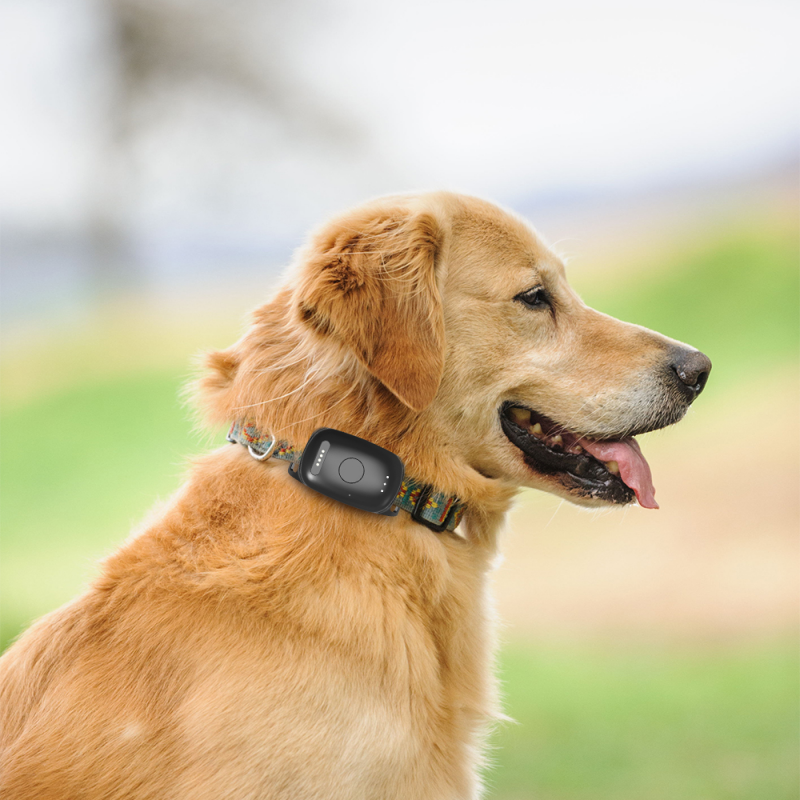
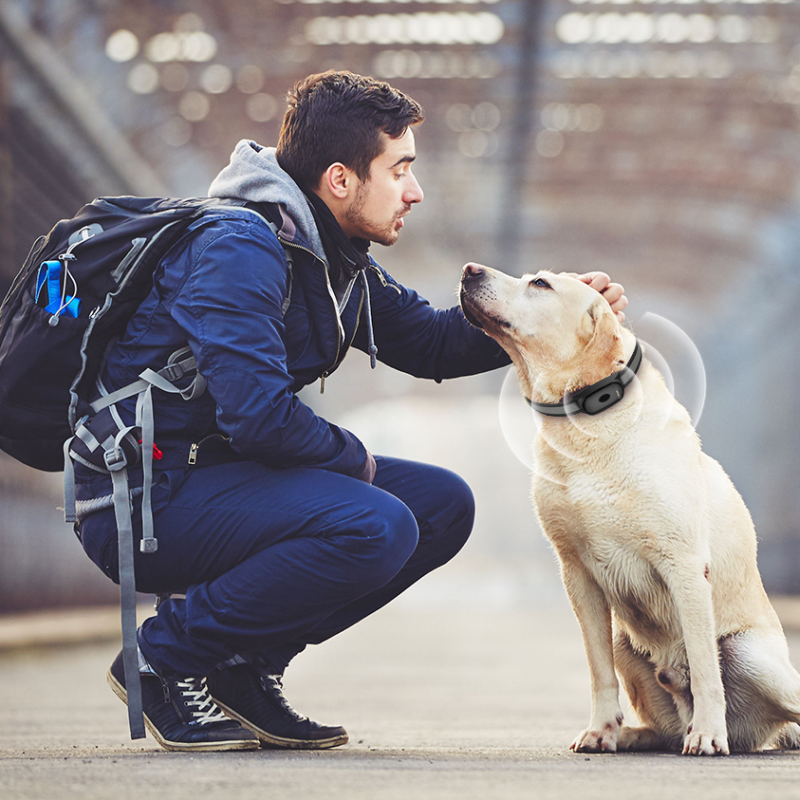
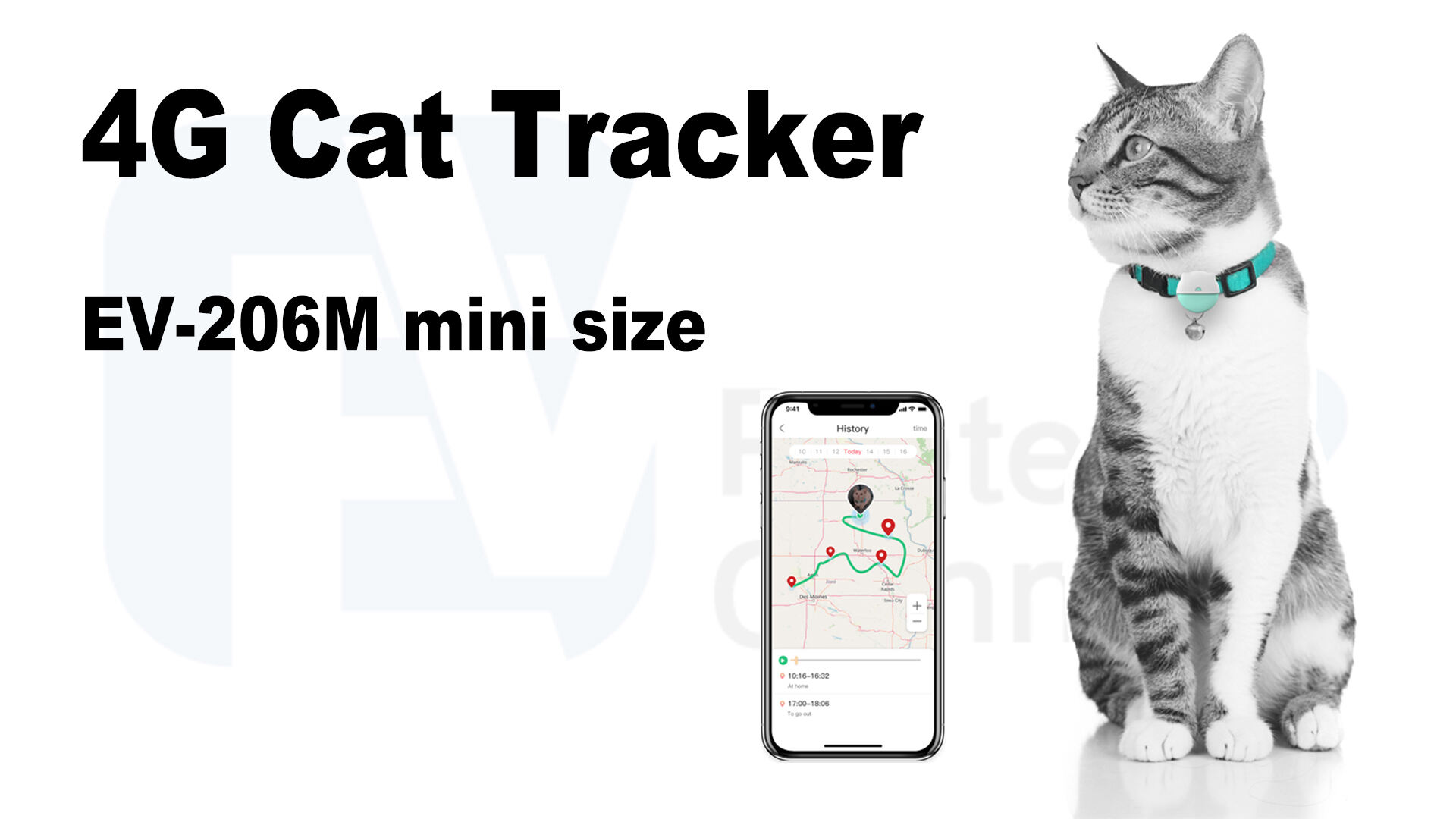
המעקב האל סלאוטי הטוב ביותר לכלבים קטנים עולה על שירותי מיקום פשוטים על ידי שילוב יכולות מתקדמות של מעקב אחר בריאות ורווחה שממירות את ניהול הטיפול בחיות מחמד ואת זיהוי מוקדם של מחלות. מאיצים וג'יירוסקופים משולבים עוקבים באופן מתמיד אחרי דפוסי תנועה, ומודדים את מספר הצעדים, המרחק שנעבר, הקלוריות שנשרפו ורמת עוצמת הפעילות – הכול מכוון במיוחד לגזעי כלבים קטנים שדרישות התעסוקה שלהם שונות בצורה משמעותית מאלה של כלבים גדולים יותר. ניתוח איכות השינה עוקב אחרי תקופות מנוחה, יעילות שינה ודפוסי תנועה ליליים שיכולים להצביע על 스טרס, אי נוחות או מצבים רפואיים כוננים הדורשים תשומת לב של טבח. חיישני טמפרטורה עוקבים אחר תנאי הסביבה והטמפרטורה הקרובה של ההתקן, ומדווחים לבעלים על סיכוני חימום יתר או חשיפה למזג אוויר מסוכן שעלולים להוות איום מיוחד על כלבים קטנים עקב מסת גופם המוגבלת ויכולת רגולציה חלשה של טמפרטורת הגוף. אלגוריתמי זיהוי דפוסי התנהגות יוצרים פרופילי פעילות בסיסיים לחיות מחמד מסוימות, ומזהים באופן אוטומטי חריגות שיכולות להצביע על מחלה, פציעה או מצוקה פסיכולוגית עוד לפני שהסימפטומים הגופניים מופיעים. המעקב האל סלאוטי הטוב ביותר לכלבים קטנים מייצר דוחות בריאות שבועיים וחודשיים שטבחים יכולים להשתמש בהם כדי להעריך מגמות בריאות כלליות, רמת התעסוקה המתאימה, וכיוונים אפשריים של דאגה במהלך ביקורי רוטין או ייעוץ חירום. מערכות תזכורות לתרופות עוזרות לבעלים לשמור על לוחות טיפול עקביים למצבים כרוניים שכיחים אצל כלבים קטנים, כולל תרופות ללב, תוספי מפרקים או תזונות מרפאות. שילוב עם יישומי בריאות לחיות מחמד ומערכות ניהול של מוסדות טבחיים מאפשר שיתוף נתונים חלק שמאפשר החלטות רפואיות מבוססות ראיות ומעקב אחר טיפול. מדדי רמת 스טרס מנתחים דפוסי תנועה, שינויי דופק (כאשר זמינים) וגורמים סביבתיים לזיהוי מצבים או מקומות שמעוררים תגובות חרדה בכלבים קטנים רגישים. הגדרת יעדי פעילות מעודדת רמות תעסוקה מתאימות בהתאם לתכונות הגזע, גיל וסטטוס בריאות, וכך מונעת גם תת-תעסוקה וגם התאמצות מוגזמת שעלולה לפגוע בכלבים קטנים בעלי מבנה עדין. תכונות חברתיות מאפשרות לבעלים להשוות את רמת הפעילות של חיות המחמד שלהם מול כלבים דומים באזור, ומעודדות תחרות בריאה, השתלבות קהילתית וזיהוי תאימות לשחקנים פוטנציאליים. התראות בריאות חירום מזהות שינויים פתאומיים בדפוסי פעילות שיכולים להצביע על תאונות, התקפים או מצבים רפואיים חירום הדורשים התערבות מיידית. איסוף הנתונים המפורט יוצר תיקי בריאות ארוכי טווח שחשובים לצורך הגשת טענות לביטוח, תקשורת עם מוסכי כלבים, וטיפול חירום אצל טבח – כאשר היסטוריה רפואית מפורטת היא קריטית לצורך החלטות טיפול נכונות.



 משרד: קומה 29, מרכז צ'אנגג'יאנג, דרך רנמין, לונגחואה, שצ'ן.
 מפעל: בניין 201#, בניין 1A, יואנג'ו ננקצ'ואנג, דרך גאופנג, לונגווה, שנזן.



 +86 15899795842
