Advanced Small Animal Tracking Devices: GPS Pet & Wildlife Monitoring Solutions

small animal tracking devices

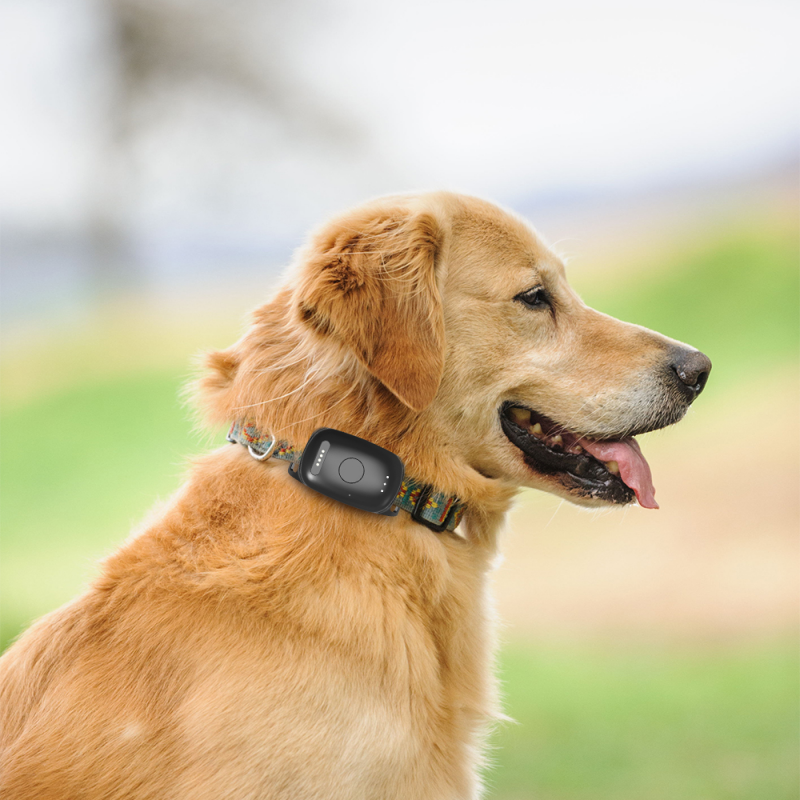
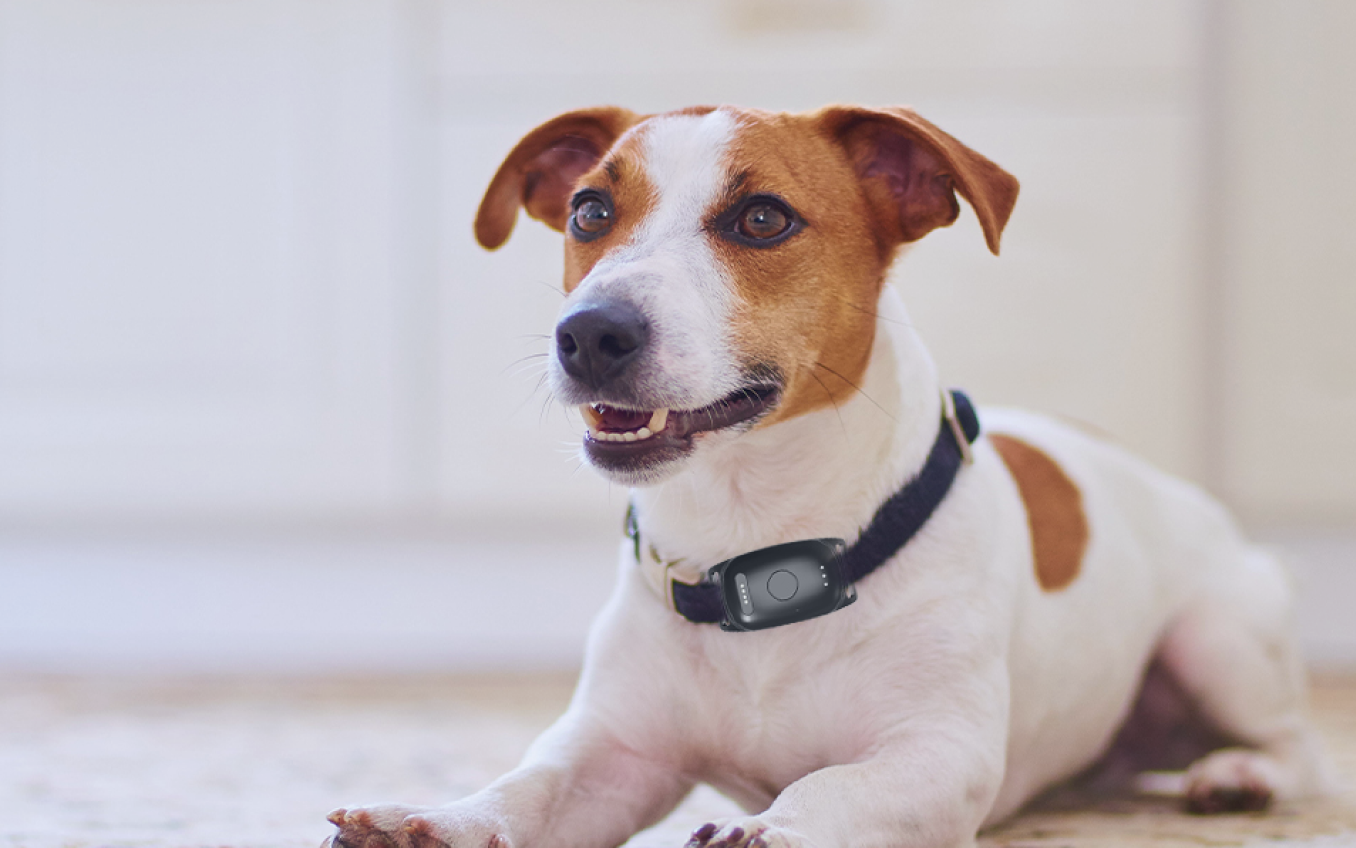
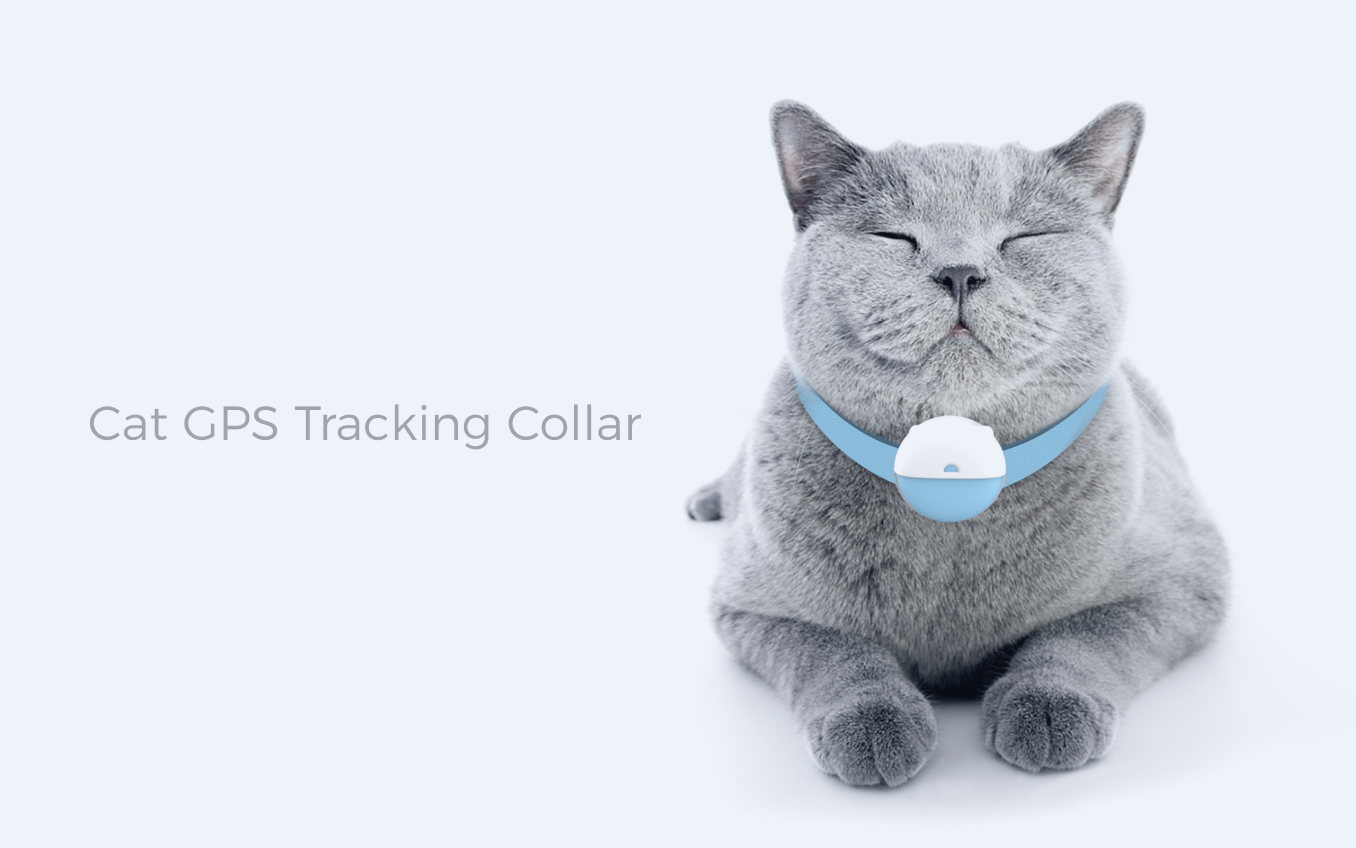
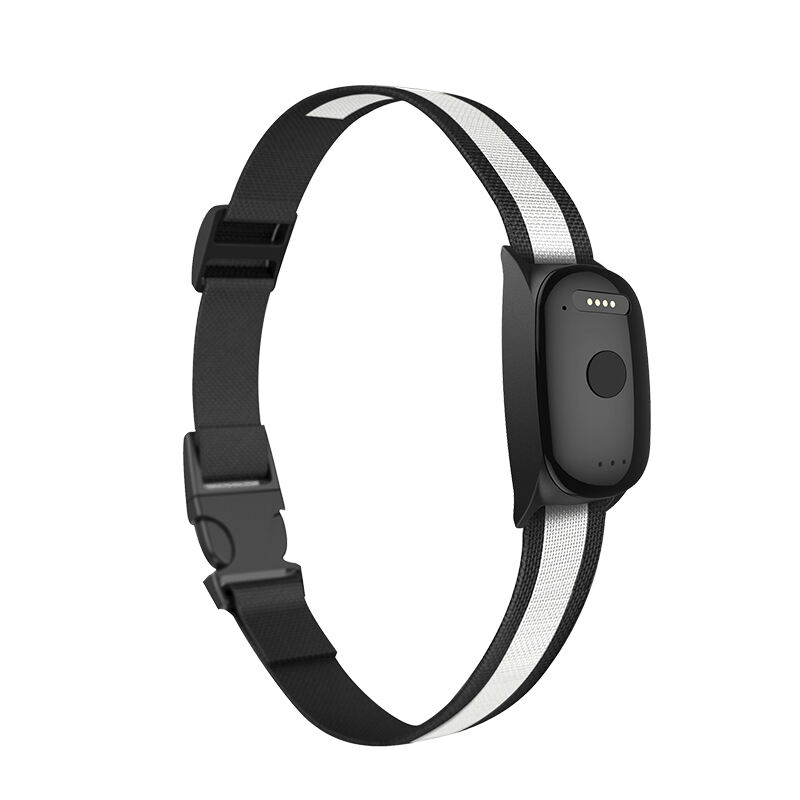
Small animal tracking devices represent a revolutionary advancement in wildlife monitoring and pet safety technology. These compact, lightweight instruments enable researchers, conservationists, and pet owners to monitor animal movements, behaviors, and health parameters with unprecedented precision. Modern small animal tracking devices utilize cutting-edge GPS technology, radio frequency identification, and cellular connectivity to provide real-time location data and comprehensive activity monitoring. The primary functions of these sophisticated devices include continuous location tracking, movement pattern analysis, behavioral monitoring, and health status assessment. These tracking systems are specifically designed to accommodate animals ranging from small birds and mammals to domestic pets like cats and dogs. The technological features of small animal tracking devices encompass miniaturized GPS receivers, long-lasting battery systems, waterproof enclosures, and advanced data transmission capabilities. Many models incorporate accelerometers and gyroscopes to detect detailed movement patterns, while others feature temperature sensors and heart rate monitors for comprehensive health tracking. The applications for small animal tracking devices span multiple sectors, including wildlife research, conservation efforts, veterinary medicine, and pet ownership. Researchers utilize these devices to study migration patterns, territorial behaviors, and population dynamics of various species. Conservation organizations deploy tracking technology to monitor endangered species and assess habitat usage patterns. Pet owners benefit from enhanced security and peace of mind, knowing they can locate their animals quickly if they become lost. The devices also provide valuable insights into pet activity levels, helping owners maintain optimal health and wellness routines. Advanced small animal tracking devices often feature geofencing capabilities, allowing users to establish virtual boundaries and receive alerts when animals enter or exit designated areas.

New Products

Small animal tracking devices offer numerous compelling advantages that make them invaluable tools for various applications. The most significant benefit is the enhanced safety and security they provide for both wild animals and beloved pets. Pet owners experience tremendous peace of mind knowing they can locate their animals within minutes using smartphone applications or web-based platforms. This rapid location capability dramatically reduces the stress and expense associated with searching for lost pets, often preventing permanent separation between animals and their families. The real-time monitoring capabilities of small animal tracking devices enable immediate response to emergency situations, potentially saving lives when animals become injured or trapped. Wildlife researchers gain unprecedented insights into animal behavior patterns, migration routes, and habitat preferences through continuous data collection. This information proves crucial for developing effective conservation strategies and understanding ecosystem dynamics. The devices eliminate the need for invasive research methods that could stress or harm animals, providing a humane alternative for scientific study. Small animal tracking devices also offer exceptional value through their cost-effectiveness compared to traditional monitoring methods. The long battery life of modern devices reduces maintenance requirements and operational costs, while their durability ensures reliable performance in challenging environmental conditions. Many devices feature weatherproof construction that withstands extreme temperatures, moisture, and physical impacts. The user-friendly interfaces of contemporary small animal tracking devices make them accessible to individuals without technical expertise. Most systems provide intuitive mobile applications with clear maps, historical data, and customizable alert systems. The data collected by these devices helps veterinarians and animal behaviorists identify health issues early, potentially preventing serious medical conditions and extending animal lifespans. Additionally, the compact size and lightweight design ensure minimal impact on animal comfort and natural behaviors. Modern small animal tracking devices incorporate energy-efficient technology that extends operational periods between battery changes or recharges, making them practical for long-term monitoring projects.

Practical Tips

Battery Maintenance

12

Nov

Battery Maintenance

Learn essential battery maintenance tips for Eview GPS pet trackers to ensure optimal performance. Discover how to maximize battery life and keep your pet tracker functioning efficiently.
View More
Will device work inside a building?

12

Nov

Will device work inside a building?

Find out if Eview GPS devices work effectively inside buildings, utilizing Wi-Fi and beacon positioning for reliable indoor pet tracking.
View More
What is home beacon Positioning?

12

Nov

What is home beacon Positioning?

Explore how home beacon positioning works on Eview GPS devices to provide accurate indoor location tracking and enhance pet monitoring capabilities.
View More

Get a Free Quote

Our representative will contact you soon.
Email
Name
Company Name
Message
0/1000

small animal tracking devices

Advanced GPS Technology with Precision Location Tracking

Advanced GPS Technology with Precision Location Tracking

The cornerstone feature of modern small animal tracking devices lies in their sophisticated GPS technology, which delivers exceptional accuracy and reliability for location monitoring. These devices utilize multi-constellation satellite systems, incorporating GPS, GLONASS, and Galileo networks to ensure precise positioning even in challenging environments with dense vegetation or urban interference. The advanced GPS receivers integrated into small animal tracking devices provide location accuracy within meters, enabling users to pinpoint animal positions with remarkable precision. This level of accuracy proves essential for wildlife researchers studying territorial boundaries, migration corridors, and habitat utilization patterns. The GPS technology employed in these devices operates continuously, collecting location data at user-defined intervals ranging from seconds to hours, depending on research requirements or monitoring needs. The sophisticated positioning algorithms compensate for satellite signal variations and atmospheric interference, maintaining consistent tracking performance across diverse geographical locations and weather conditions. Many small animal tracking devices feature adaptive GPS sampling rates that adjust automatically based on animal activity levels, conserving battery power during periods of minimal movement while increasing sampling frequency during active periods. The GPS data collected by these devices creates comprehensive movement histories that reveal detailed behavioral patterns, seasonal migration routes, and habitat preferences previously impossible to document. This information proves invaluable for conservation efforts, helping researchers identify critical habitats that require protection and understand how environmental changes affect animal populations. Pet owners benefit significantly from the precision GPS tracking, as it enables rapid location of lost animals and provides detailed activity summaries that help monitor pet health and exercise patterns. The GPS technology also supports geofencing features that create virtual boundaries around specific areas, automatically alerting users when animals enter or exit designated zones. This capability proves particularly useful for monitoring livestock, research subjects, or pets with tendency to roam beyond safe areas.
Extended Battery Life with Smart Power Management

Extended Battery Life with Smart Power Management

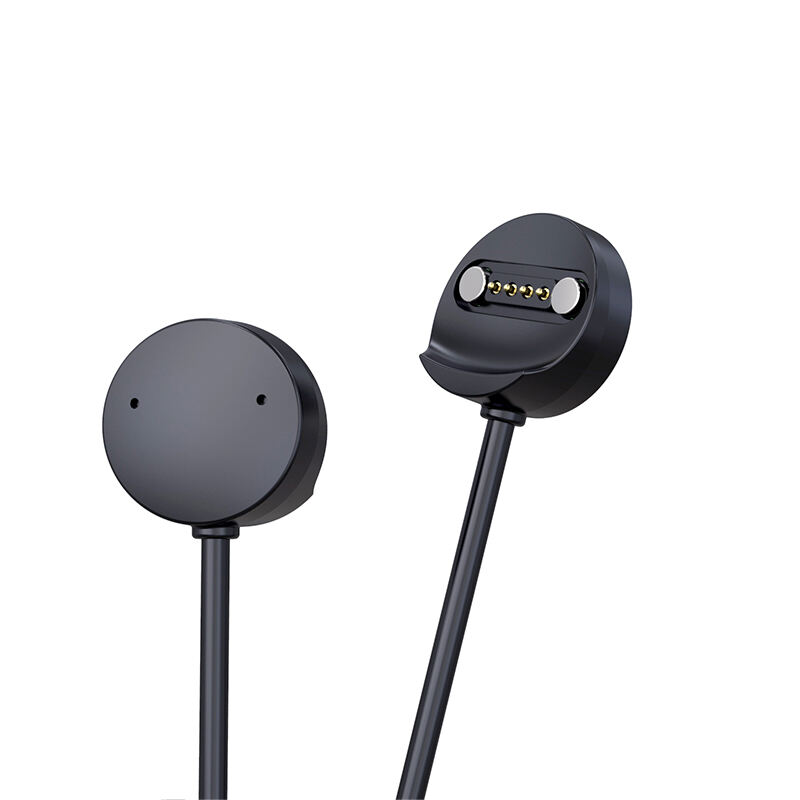
One of the most critical advantages of contemporary small animal tracking devices is their exceptional battery performance, achieved through innovative power management systems and energy-efficient design principles. These devices incorporate advanced lithium battery technology combined with intelligent power algorithms that optimize energy consumption based on usage patterns and environmental conditions. The extended battery life eliminates frequent maintenance requirements that could disrupt research projects or compromise animal welfare through repeated capture and handling procedures. Modern small animal tracking devices can operate continuously for weeks or months on a single battery charge, depending on configuration settings and environmental factors. The smart power management systems automatically adjust transmission frequencies and GPS sampling rates based on animal activity levels, significantly extending operational periods while maintaining essential monitoring capabilities. During periods of minimal movement, such as when animals are resting or hibernating, the devices enter low-power modes that conserve energy without compromising tracking accuracy. The battery systems are designed to withstand extreme temperature variations commonly encountered in natural environments, maintaining reliable performance in both arctic and tropical conditions. Many devices feature solar charging capabilities that supplement battery power during extended deployments, making them ideal for long-term research projects and permanent monitoring installations. The power management algorithms continuously monitor battery levels and provide early warning alerts before power depletion, allowing researchers and pet owners to schedule maintenance activities without losing tracking capabilities. Some advanced models incorporate energy harvesting technology that converts animal movement into electrical energy, further extending operational periods and reducing maintenance requirements. The robust battery design ensures consistent performance throughout the device's operational life, eliminating the reliability issues associated with cheaper alternatives. This extended battery performance represents significant cost savings for research organizations and pet owners, reducing the need for frequent device replacements and minimizing operational disruptions.
Comprehensive Health and Activity Monitoring Capabilities

Comprehensive Health and Activity Monitoring Capabilities

Modern small animal tracking devices excel in providing comprehensive health and activity monitoring capabilities that extend far beyond simple location tracking, offering valuable insights into animal welfare and behavioral patterns. These sophisticated devices incorporate multiple sensors including accelerometers, gyroscopes, magnetometers, and temperature monitors that work together to create detailed activity profiles and health assessments. The accelerometer technology detects minute changes in movement patterns, enabling the identification of specific behaviors such as feeding, resting, running, or flying with remarkable accuracy. This behavioral classification capability proves invaluable for researchers studying animal ecology and for pet owners monitoring their animals' daily activity levels and exercise patterns. The integrated health monitoring sensors can detect early signs of illness or injury by identifying changes in normal movement patterns, activity levels, or body temperature variations. Veterinarians and researchers utilize this data to implement preventive care measures and respond quickly to health concerns before they become serious medical issues. The activity monitoring capabilities help pet owners ensure their animals receive adequate exercise and maintain healthy lifestyle patterns, contributing to longer lifespans and better quality of life. Many small animal tracking devices feature heart rate monitoring capabilities that provide additional insights into animal stress levels, fitness conditions, and overall health status. The comprehensive data collection enables the creation of detailed health baselines for individual animals, making it easier to identify deviations that might indicate developing health problems. The devices can monitor sleep patterns, eating behaviors, and social interactions, providing holistic views of animal welfare that support both research objectives and pet care decisions. Advanced algorithms analyze the collected data to generate automated alerts when unusual patterns are detected, enabling immediate intervention when necessary. This proactive monitoring approach has proven effective in wildlife conservation efforts and companion animal healthcare, helping to identify environmental stressors, disease outbreaks, and other factors that could impact animal populations or individual health outcomes.

Related Search

small animal tracking devices-2 small animal tracking devices-3 small animal tracking devices-4 small animal tracking devices-5