เข็มขัดติดตาม gps สัตว์เลี้ยง
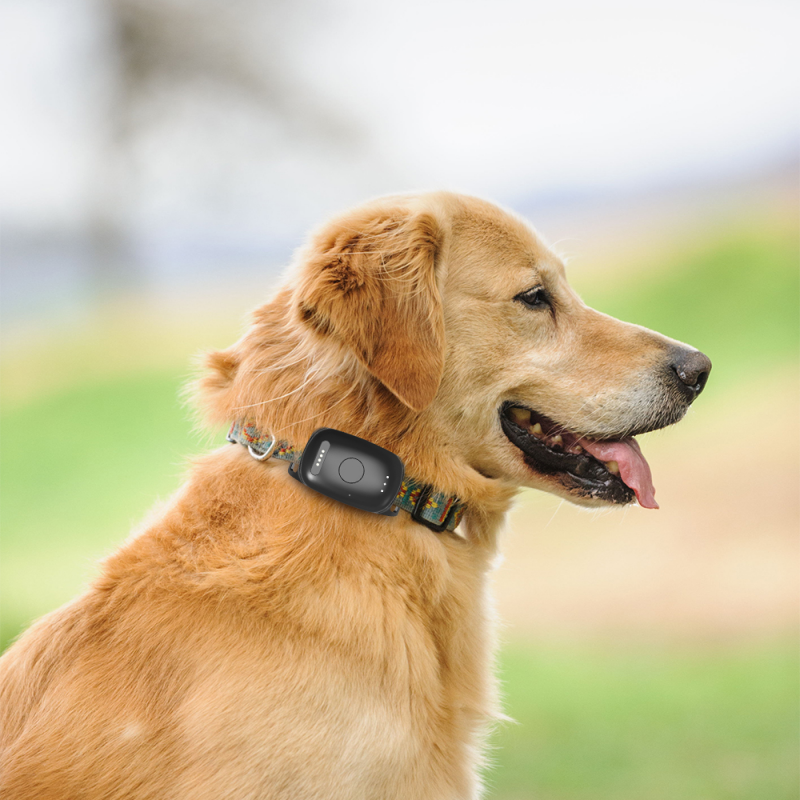
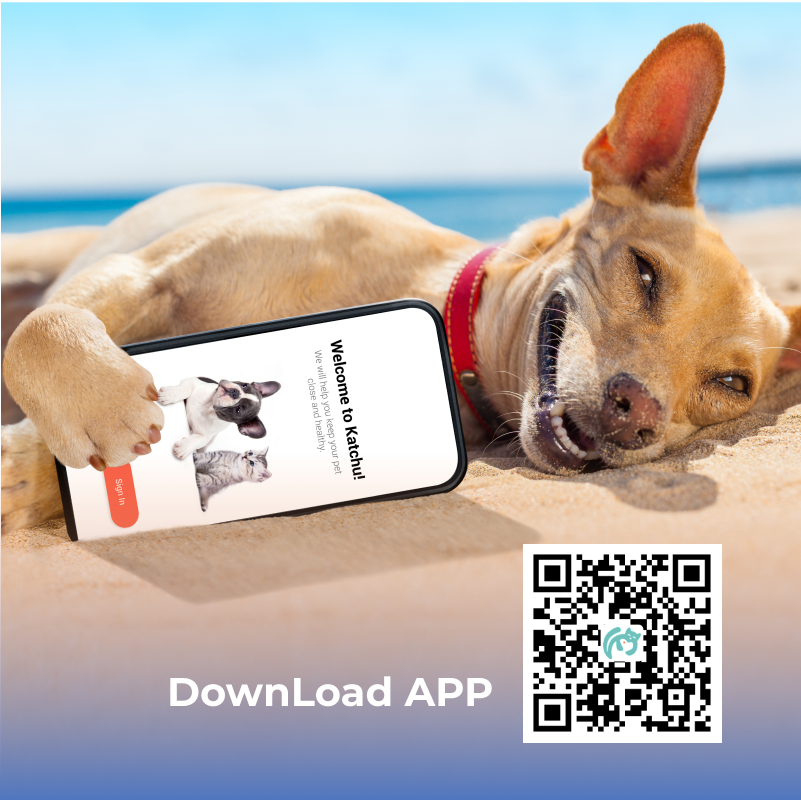
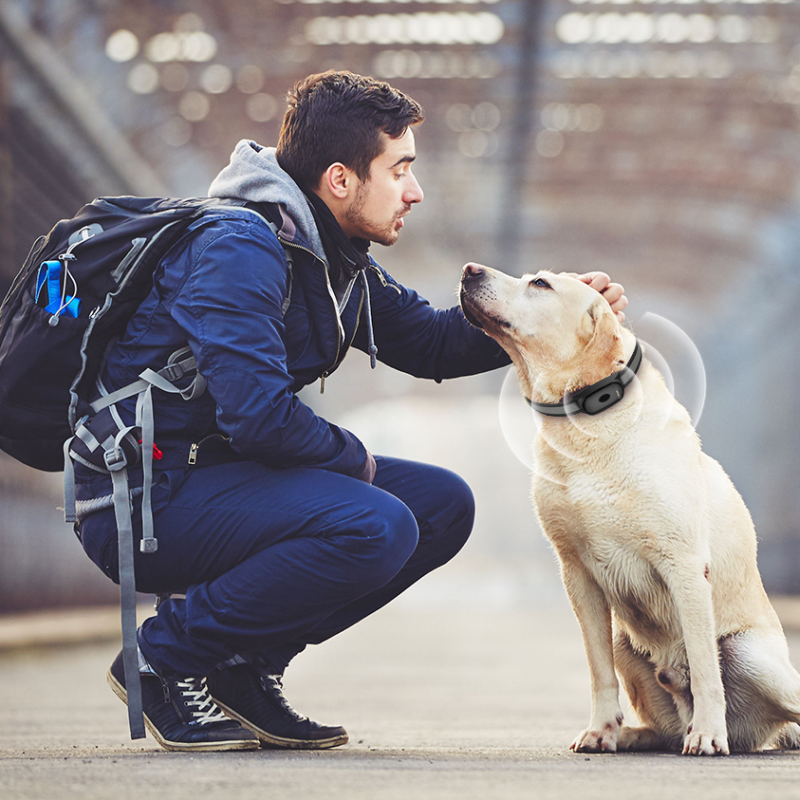
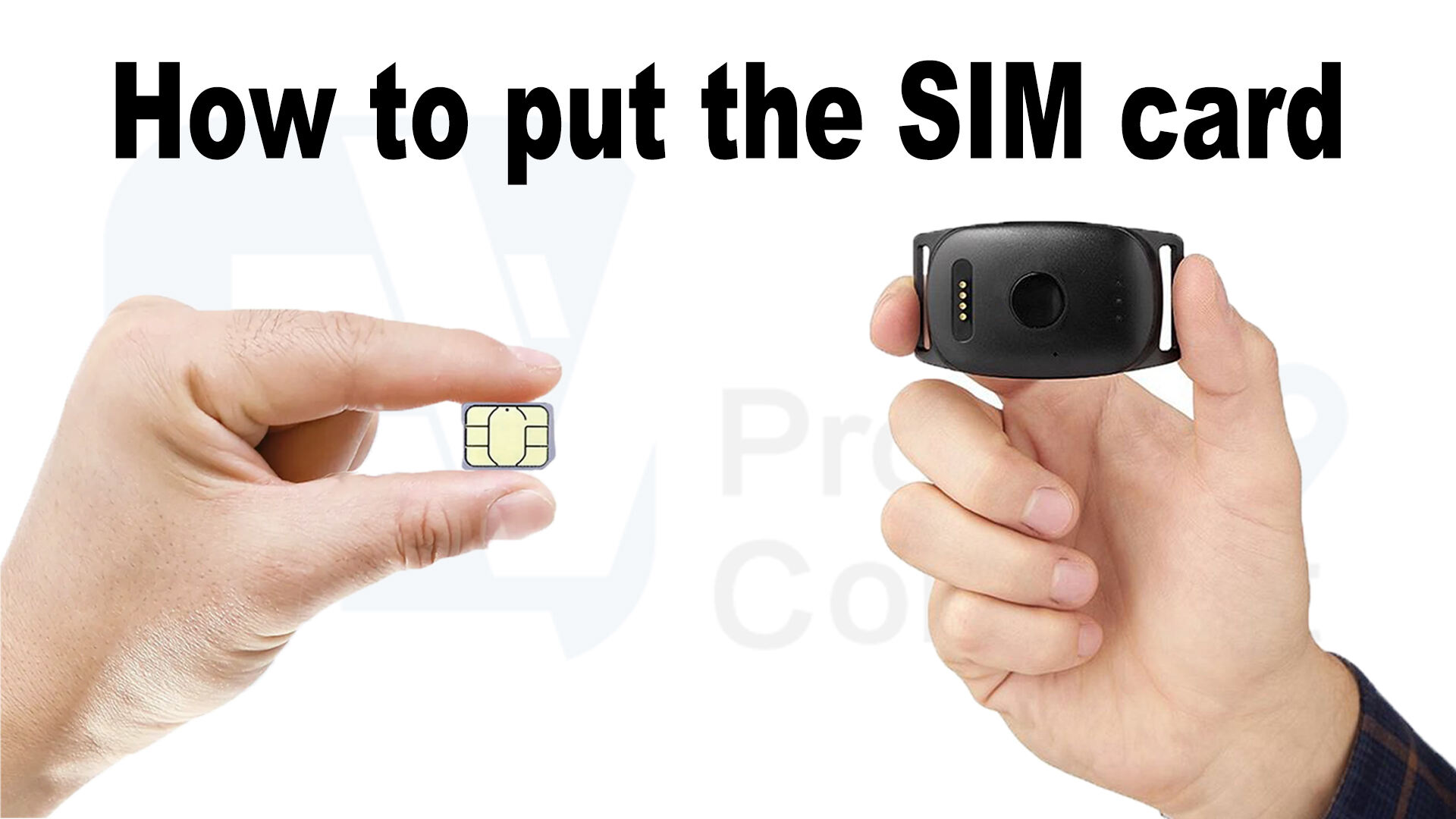
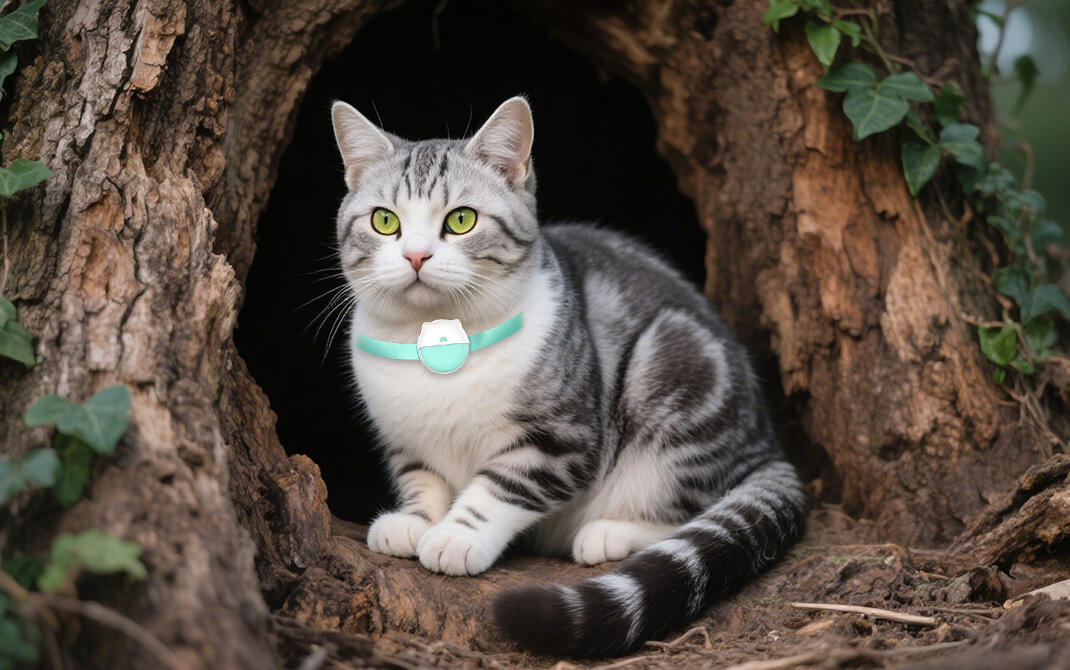
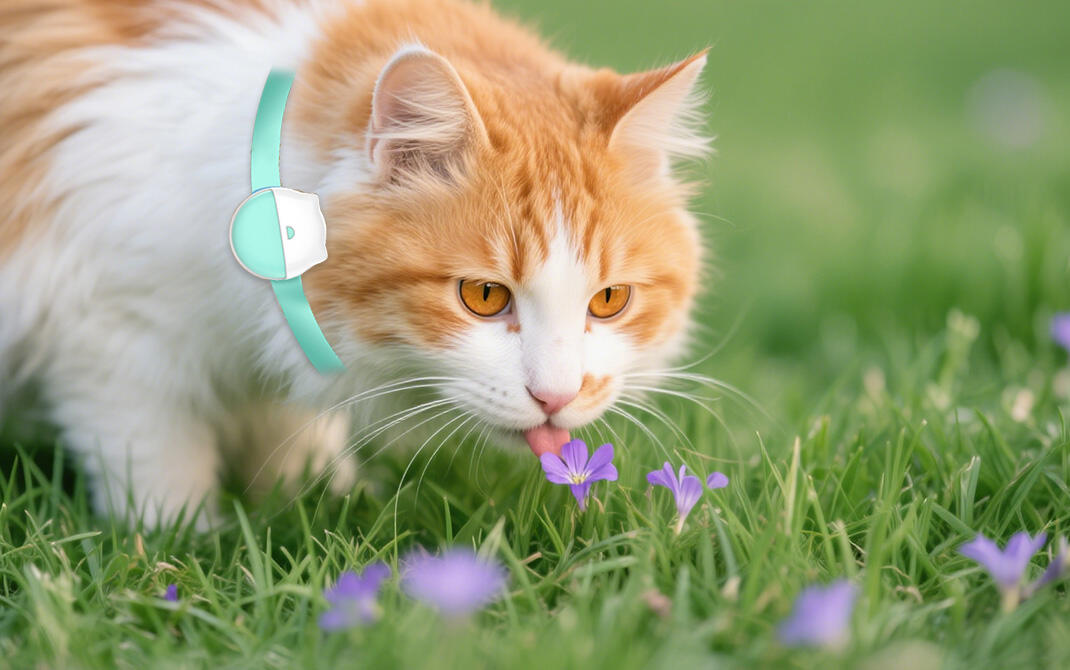
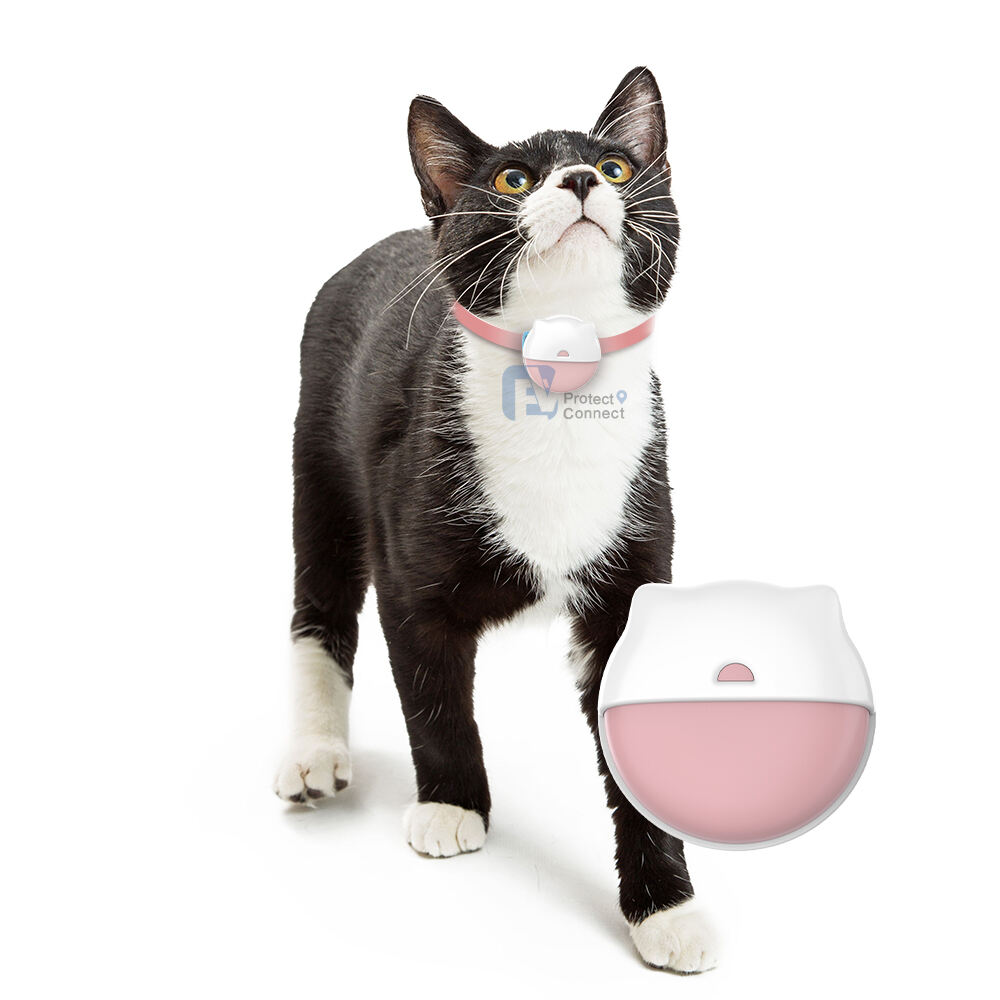
ปลอกคอติดตามตำแหน่งสัตว์เลี้ยงด้วยระบบ GPS ถือเป็นความก้าวหน้าทางเทคโนโลยีที่ปฏิวัติวงการด้านความปลอดภัยของสัตว์เลี้ยง โดยรวมฟังก์ชันของปลอกคอดั้งเดิมเข้ากับระบบระบุตำแหน่งผ่านดาวเทียมขั้นสูง อุปกรณ์อันทันสมัยนี้ช่วยให้เจ้าของสัตว์เลี้ยงสามารถติดตามตำแหน่งของสัตว์เลี้ยงที่รักได้แบบเรียลไทม์ ทำให้มีความอุ่นใจและปลอดภัยในระดับที่ไม่เคยมีมาก่อน ปลอกคอติดตามตำแหน่งสัตว์เลี้ยงใช้เทคโนโลยีระบบกำหนดตำแหน่งทั่วโลก (GPS) ที่ทันสมัยร่วมกับการเชื่อมต่อเครือข่ายเซลลูลาร์ เพื่อสร้างโซลูชันการติดตามอย่างครบวงจรที่ใช้งานได้ทั้งภายในและภายนอกอาคาร อุปกรณ์ปลอกคอ GPS รุ่นใหม่ใช้เครือข่ายดาวเทียมหลายระบบ ได้แก่ GPS, GLONASS และ Galileo เพื่อรับประกันความแม่นยำของข้อมูลตำแหน่งไม่ว่าสภาพแวดล้อมจะเป็นอย่างไร อุปกรณ์อัจฉริยะเหล่านี้มีโครงสร้างกันน้ำ แบตเตอรี่ใช้งานได้นาน และออกแบบให้มีน้ำหนักเบา เพื่อเน้นความสบายของสัตว์เลี้ยงโดยยังคงความทนทานไว้ได้ พื้นฐานทางเทคโนโลยีของปลอกคอติดตามตำแหน่งสัตว์เลี้ยงอาศัยไมโครโปรเซสเซอร์ขั้นสูงที่คำนวณพิกัดตำแหน่งอย่างต่อเนื่อง และส่งข้อมูลนี้ไปยังแอปพลิเคชันมือถือหรือแพลตฟอร์มเว็บไซต์ที่จัดไว้โดยเฉพาะ โมเดลจำนวนมากยังติดตั้งเซนเซอร์เพิ่มเติม เช่น เซนเซอร์วัดความเร่ง (accelerometer) และไจโรสโคป (gyroscope) เพื่อเพิ่มความสามารถในการตรวจสอบกิจกรรม เช่น ระดับการออกกำลังกาย รูปแบบการนอนหลับ และตัวชี้วัดสุขภาพทั่วไป ส่วนประกอบการเชื่อมต่อเซลลูลาร์ทำให้ปลอกคอติดตามตำแหน่งสัตว์เลี้ยงสามารถทำงานได้ในพื้นที่กว้างใหญ่ โดยใช้เครือข่าย 4G LTE เพื่อการส่งข้อมูลที่เชื่อถือได้ บางรุ่นขั้นสูงยังมีการเชื่อมต่อ Wi-Fi เพื่อเพิ่มความแม่นยำในการติดตามตำแหน่งภายในอาคาร อุปกรณ์มักมาพร้อมไฟ LED และเสียงแจ้งเตือนสำหรับมองเห็นในเวลากลางคืนและสถานการณ์ฉุกเฉิน ระบบชาร์จได้รับการพัฒนาให้มีพอร์ตชาร์จแม่เหล็กและการจัดวางแบตเตอรี่ที่ใช้งานได้นานหลายวันต่อการชาร์จหนึ่งครั้ง ปลอกคอติดตามตำแหน่งสัตว์เลี้ยงมีการใช้งานที่หลากหลายเกินกว่าการติดตามตำแหน่งพื้นฐาน รวมถึงการสร้างเขตแดนเสมือนด้วยเทคโนโลยี geofencing การตรวจสอบรูปแบบพฤติกรรมของสัตว์เลี้ยง และการให้ข้อมูลตำแหน่งย้อนหลังสำหรับการปรึกษาสัตวแพทย์ นอกจากนี้ ระบบแจ้งเตือนฉุกเฉินจะแจ้งเตือนเจ้าของทันทีเมื่อสัตว์เลี้ยงออกไปนอกเขตปลอดภัยที่กำหนดไว้ ในขณะที่ฟีเจอร์การสื่อสารสองทางช่วยให้สามารถติดต่อกับสัตว์เลี้ยงจากระยะไกลในช่วงเวลาที่สัตว์อยู่ในภาวะเครียด

 สำนักงาน: ชั้น 29, Changjiang Center, Renmin Road, Longhua, Shenzhen.
 โรงงาน: ตึกหมายเลข 201 อาคาร 1A นันเคช่วงหยวนกู่ เย่ กั่วเฟิงลู่ หลงหัว เชิ้นเจิ้น



 +86 15899795842
