
How Can GPS Dog Trackers Improve Training and Outdoor Safety?
The Evolution of Modern Pet Monitoring Technology
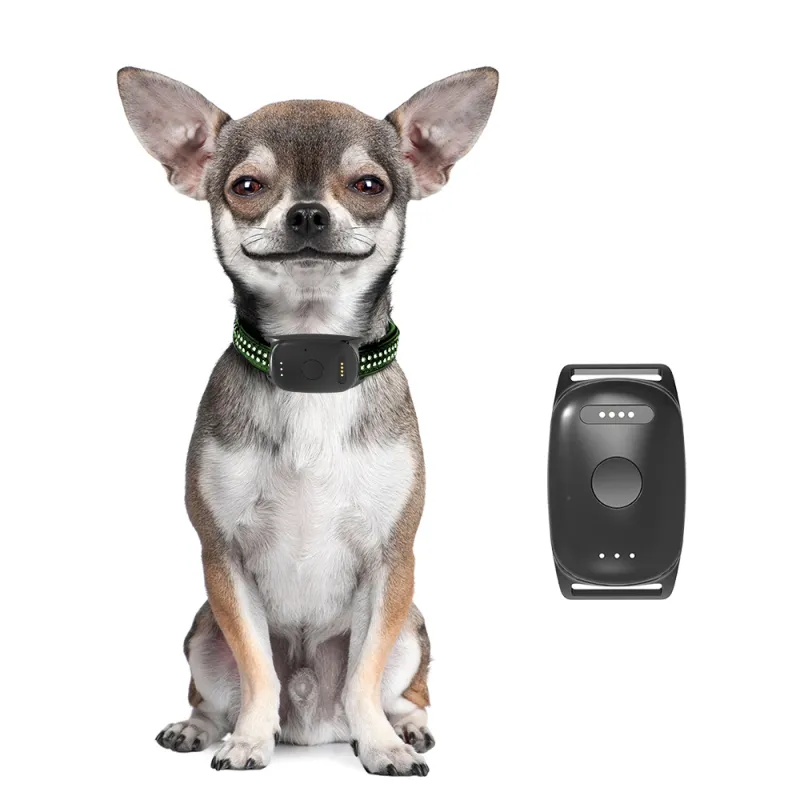
The way we care for and train our beloved canine companions has been revolutionized by GPS dog trackers. These sophisticated devices have transformed from simple location tools into comprehensive monitoring systems that enhance both training capabilities and outdoor adventures. As pet parents become increasingly tech-savvy, GPS dog trackers have emerged as essential equipment for responsible dog ownership, offering peace of mind and valuable insights into our pets' behaviors and activities.
The integration of GPS technology with pet care represents a significant leap forward in how we understand and protect our four-legged friends. These advanced devices provide real-time location data, activity monitoring, and behavioral insights that were previously impossible to obtain. For both professional trainers and everyday pet owners, GPS dog trackers have become indispensable tools in ensuring the safety and well-being of their canine companions.
Advanced Features of Modern GPS Dog Tracking Systems
Real-Time Location Monitoring and Geofencing
Modern GPS dog trackers offer unprecedented accuracy in location tracking, with many devices providing updates every few seconds. The geofencing feature allows owners to establish virtual boundaries and receive instant notifications when their pets venture beyond these preset areas. This capability is particularly valuable during training sessions, as it helps reinforce boundary awareness and allows trainers to monitor a dog's response to commands from a distance.
The precision of current GPS dog trackers enables owners to track their pets within a few feet of their actual location, even in challenging environments like dense forests or urban areas. This level of accuracy proves invaluable during off-leash training exercises and helps prevent potential wandering incidents before they become serious concerns.
Activity and Health Monitoring Capabilities
Beyond simple location tracking, modern GPS dog trackers incorporate sophisticated activity monitoring features. These systems can measure various aspects of a dog's daily routine, including exercise levels, rest periods, and overall activity patterns. This data helps owners and trainers optimize training schedules and ensure their pets maintain healthy activity levels.
Many GPS dog trackers now include vital sign monitoring capabilities, tracking metrics such as heart rate, respiratory rate, and even sleep quality. This comprehensive health data enables early detection of potential issues and helps trainers adjust exercise intensity based on their dog's physical condition.
Training Applications and Benefits
Enhanced Obedience Training Techniques
GPS dog trackers have revolutionized obedience training by providing detailed insights into a dog's movements and responses to commands. Trainers can analyze tracking data to understand patterns in their dog's behavior, identifying areas that need additional focus and reinforcement. The ability to monitor distance, speed, and direction of movement helps in developing more effective training strategies.
These devices enable trainers to work with dogs off-leash while maintaining control and safety. The real-time tracking feature allows for immediate intervention if a dog shows signs of distraction or begins to stray, making training sessions more productive and secure.
Behavioral Analysis and Modification
The data collected by GPS dog trackers provides valuable insights into behavioral patterns that might otherwise go unnoticed. Trainers can identify triggers for unwanted behaviors by correlating location data with specific incidents, enabling more targeted behavior modification strategies. This information proves particularly useful when addressing issues such as excessive barking, wandering, or anxiety-related behaviors.
Long-term tracking data helps establish baseline behaviors and monitor progress throughout the training process. Trainers can use this information to adjust their approaches and demonstrate measurable improvements to pet owners, making the training process more transparent and effective.
Outdoor Safety and Adventure Enhancement
Emergency Response and Recovery
GPS dog trackers provide crucial support during outdoor emergencies. The ability to quickly locate a lost or injured dog can mean the difference between a minor incident and a serious crisis. These devices often include emergency alerts that can be activated to help locate a dog in distress, with some models featuring built-in lights or sound signals for improved visibility during nighttime searches.
Advanced GPS dog trackers often incorporate SOS features that can automatically alert emergency contacts if a dog remains stationary for an unusual period or exits a designated safe zone. This rapid response capability is particularly valuable during hiking, camping, or hunting activities where dogs might become separated from their owners.
Adventure Planning and Documentation
For outdoor enthusiasts, GPS dog trackers offer valuable features for planning and documenting adventures with their canine companions. These devices can record routes, distances covered, and areas explored, helping owners plan future excursions and ensure they stay within their dog's physical capabilities.
The historical tracking data provided by these devices allows owners to maintain detailed records of their outdoor activities, including favorite trails, rest spots, and potential hazard areas. This information proves invaluable for both training purposes and ensuring safe, enjoyable outdoor experiences.
Frequently Asked Questions
How accurate are GPS dog trackers in different environments?
GPS dog trackers typically provide accuracy within 7-10 feet in open areas. However, accuracy can vary depending on environmental factors such as dense tree cover, tall buildings, or atmospheric conditions. Premium devices often incorporate multiple satellite systems and cellular networks to maintain reliable tracking even in challenging conditions.
What is the typical battery life of a GPS dog tracker?
Battery life varies significantly between different models and usage patterns. Most modern GPS dog trackers offer between 2-7 days of continuous use on a single charge. Factors affecting battery life include tracking frequency, cellular signal strength, and the number of features being utilized.
Can GPS dog trackers work without cellular coverage?
Some advanced GPS dog trackers can function in areas without cellular coverage by using satellite communication systems or radio frequencies. However, most consumer-grade devices rely on cellular networks for data transmission. It's important to verify the specific capabilities of a tracker before relying on it in remote areas.


 Office:29th Floor,Changjiang Center, Renmin Road, Longhua, Shenzhen.
 Factory: 201# Building 1A, Nankechuang Yuangu, Gaofeng Road, Longhua, Shenzhen.
 +86 15899795842
