
How Can a GPS Dog Tracker Reduce the Risk of Losing Your Pet?
Pet owners face one of their greatest fears when their beloved companion goes missing. Every year, millions of pets become lost, with many never returning home to their families. The anxiety and heartbreak that follows can be overwhelming, leaving owners desperately searching neighborhoods, posting flyers, and checking shelters. However, modern technology has introduced a powerful solution that significantly reduces this risk and provides peace of mind to pet owners worldwide.
A GPS dog tracker transforms pet safety by providing real-time location monitoring and instant alerts when pets stray beyond safe boundaries. This technology creates multiple layers of protection that work together to prevent loss situations before they escalate into emergencies. By understanding how these systems operate and their specific benefits, pet owners can make informed decisions about protecting their furry family members from the trauma of becoming lost.
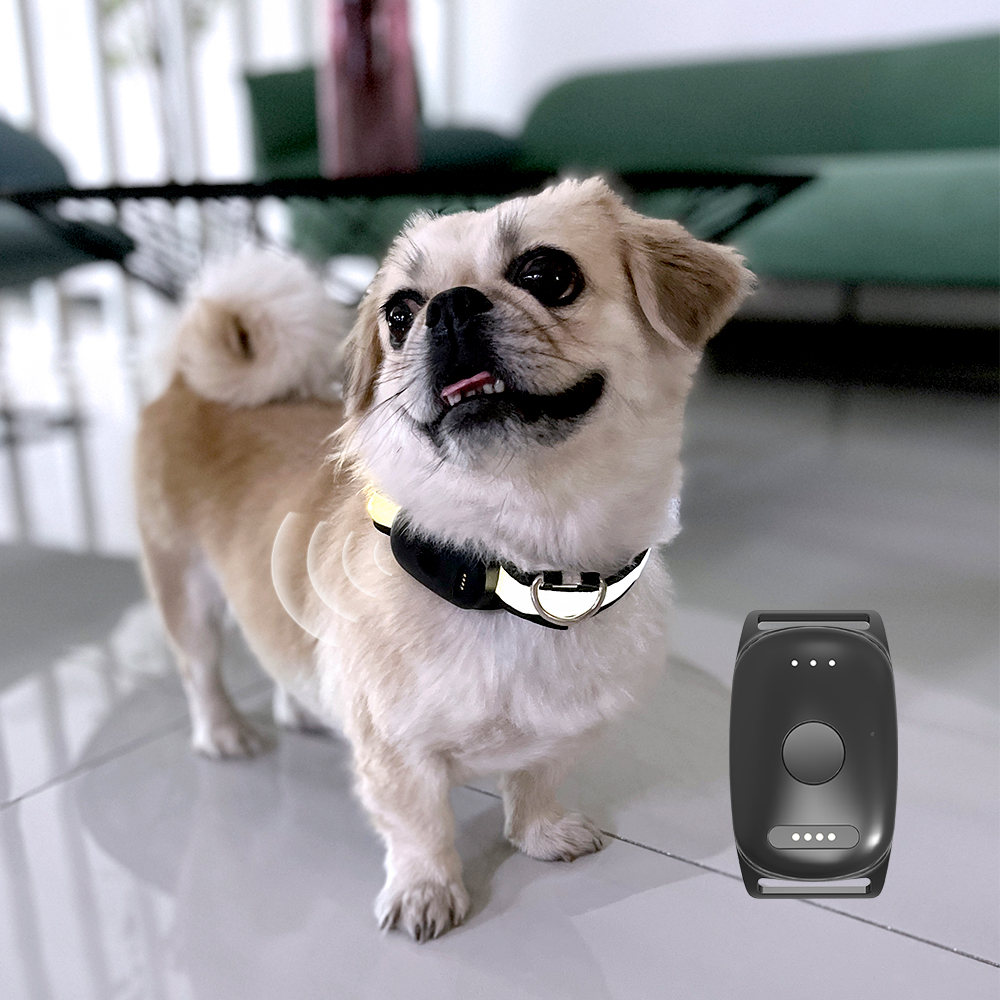
Real-Time Location Monitoring Prevents Lost Pet Situations
Continuous Position Tracking Creates Safety Awareness
A GPS dog tracker continuously monitors your pet's exact location throughout the day, providing precise coordinates that update in real-time. This constant surveillance means you always know where your dog is located, whether they're in your backyard, at a dog park, or on a neighborhood walk. The tracking system uses satellite technology combined with cellular networks to maintain accurate positioning data that refreshes every few minutes or seconds depending on the device settings.
This real-time awareness fundamentally changes how pet owners approach safety management. Instead of relying on visual supervision or hoping their pet stays within familiar areas, owners gain technological oversight that extends beyond their immediate presence. The GPS dog tracker becomes a digital leash that provides security even when physical supervision isn't possible, such as when pets are playing in large yards or participating in off-leash activities.
The continuous monitoring capability also helps owners identify patterns in their pet's behavior and movement. You can observe preferred routes, favorite resting spots, and typical activity levels throughout different times of day. This behavioral insight helps establish normal movement patterns, making it easier to recognize when something unusual occurs that might indicate distress or disorientation.
Immediate Alert Systems Trigger Rapid Response
Modern GPS dog tracker systems include sophisticated alert mechanisms that notify owners immediately when their pet moves outside designated safe zones. These instant notifications arrive via smartphone apps, text messages, or email alerts, ensuring owners receive urgent information regardless of their current activity or location. The speed of these alerts is crucial because early intervention dramatically increases the likelihood of quick recovery.
The alert system distinguishes between normal movement and potentially problematic situations by analyzing movement patterns, speed, and direction. If a pet suddenly moves rapidly in an unusual direction or leaves familiar territory, the GPS dog tracker recognizes this as abnormal behavior and triggers immediate notifications. This intelligent monitoring prevents false alarms while ensuring genuine emergency situations receive immediate attention.
Response time becomes critical when pets go missing, as the longer they remain lost, the further they may travel from their last known location. Immediate alerts from a GPS dog tracker enable owners to begin search efforts within minutes rather than hours, significantly improving recovery chances. The technology transforms pet loss from a delayed discovery into an immediate response situation.
Geofencing Technology Creates Virtual Safety Boundaries
Customizable Safe Zones Adapt to Different Environments
Geofencing represents one of the most powerful features of a GPS dog tracker, allowing owners to establish virtual boundaries around specific locations such as homes, parks, or vacation properties. These digital perimeters can be customized in size and shape to accommodate different environments and pet needs. You can create multiple geofence zones for various locations your pet frequents, ensuring comprehensive protection regardless of where you travel.
The flexibility of geofencing technology means boundaries can be adjusted based on specific circumstances and environments. For example, you might establish a smaller safety zone around your home for everyday monitoring, while creating a larger perimeter around a camping site during vacation trips. The GPS dog tracker adapts to these different requirements, providing appropriate protection levels for various situations without requiring constant manual adjustments.
Advanced geofencing systems also account for different terrain types and potential escape routes. You can modify boundary shapes to avoid areas with known hazards such as busy roads, water bodies, or wildlife habitats. This customization ensures the GPS dog tracker provides relevant safety parameters that reflect actual environmental risks rather than arbitrary circular boundaries.
Automated Boundary Monitoring Eliminates Human Error
Traditional pet supervision relies on human attention and memory, both of which can fail during busy moments or distracting situations. A GPS dog tracker eliminates this vulnerability by providing automated monitoring that never gets distracted, tired, or forgetful. The system maintains constant vigilance over established boundaries, ensuring consistent protection regardless of human attention levels.
Automated monitoring also operates during times when direct supervision becomes impossible, such as during sleep hours or when owners are away from home. The GPS dog tracker continues protecting pets even when owners cannot actively observe their behavior. This 24/7 monitoring capability fills crucial gaps in traditional supervision methods that often coincide with pet escape incidents.
The precision of automated boundary detection surpasses human capabilities, as the GPS dog tracker can identify boundary crossings within meters of the established perimeter. This accuracy ensures alerts trigger at the earliest possible moment, providing maximum response time for pet recovery efforts. Human observation typically notices pet absence only after pets have traveled significant distances, reducing recovery possibilities.
Emergency Location Services Enable Rapid Recovery
Precise Coordinate Sharing Accelerates Search Efforts
When a pet goes missing, traditional search methods involve checking obvious locations and hoping for visual sightings or helpful reports from neighbors. A GPS dog tracker transforms this uncertain process by providing exact coordinates that guide searchers directly to the pet's location. These precise coordinates eliminate guesswork and random searching, allowing rescue efforts to focus on specific areas where pets are actually located.
The accuracy of modern GPS systems typically provides location data within a few meters, enabling searchers to pinpoint pet locations even in complex environments such as wooded areas, large parks, or unfamiliar neighborhoods. This precision becomes especially valuable during nighttime searches or in areas with limited visibility, where visual spotting becomes extremely difficult without technological assistance.
Coordinate sharing capabilities also enable multiple people to participate in recovery efforts more effectively. Family members, friends, or even professional pet recovery services can access the same location data, coordinating their search strategies based on real-time positioning information. The GPS dog tracker essentially creates a collaborative search network guided by accurate technological data rather than scattered individual efforts.
Historical Location Data Reveals Movement Patterns
A GPS dog tracker maintains detailed records of pet movement history, creating valuable data trails that help understand how pets became lost and predict their likely behavior during missing episodes. This historical information reveals preferred routes, favorite hiding spots, and typical movement speeds that inform search strategies. Understanding these patterns helps searchers anticipate where missing pets might travel or seek shelter.
Movement history also helps identify factors that contributed to the loss incident, such as specific triggers, environmental conditions, or routine disruptions that caused unusual behavior. This analysis prevents similar situations by helping owners address underlying causes and modify management strategies. The GPS dog tracker becomes both a recovery tool and a behavioral analysis system that improves long-term pet safety.
Historical data proves especially valuable for pets with established territory preferences or those who follow predictable routes during independent exploration. The GPS dog tracker reveals these patterns over time, creating a comprehensive map of pet behavior that guides both prevention strategies and recovery efforts when incidents occur.
Behavioral Monitoring Identifies Risk Factors
Activity Level Changes Signal Potential Problems
A GPS dog tracker monitors more than just location data, tracking activity levels, movement speeds, and behavioral patterns that indicate pet health and emotional state. Sudden changes in these metrics often precede escape attempts or indicate underlying issues that increase loss risk. For example, increased restlessness, unusual pacing, or attempts to dig near fence lines may signal a pet's intention to explore beyond established boundaries.
These behavioral insights allow owners to address potential escape triggers before they result in lost pet situations. Anxiety, boredom, medical discomfort, or response to external stimuli such as wildlife or other animals often manifests in changed activity patterns that the GPS dog tracker can detect and report. Early intervention based on these signals prevents escalation into actual escape incidents.
Activity monitoring also helps owners understand how environmental factors influence pet behavior and escape risk. Weather changes, construction noise, holiday celebrations, or schedule disruptions may correlate with increased restlessness or escape attempts. The GPS dog tracker provides data that helps identify these connections, enabling owners to implement preventive measures during high-risk periods.
Stress Response Detection Enables Proactive Intervention
Pets experiencing stress, fear, or medical issues often exhibit behavioral changes that increase their likelihood of becoming lost. A GPS dog tracker can detect these stress responses through movement pattern analysis, identifying rapid movements, repetitive behaviors, or attempts to seek hiding places that indicate emotional distress. Recognition of these patterns allows owners to provide appropriate support before stress escalates into escape behavior.
Stress-related escape attempts often occur during specific trigger events such as thunderstorms, fireworks, construction activity, or introduction of new pets or family members. The GPS dog tracker helps owners correlate these environmental factors with behavioral changes, creating awareness of risk periods that require enhanced supervision or intervention strategies.
Proactive stress management based on GPS dog tracker insights significantly reduces escape risk by addressing underlying causes rather than merely responding to incidents after they occur. This preventive approach protects pets from the trauma of becoming lost while reducing anxiety for both pets and owners during potentially stressful situations.
FAQ
How accurate is the location tracking on a GPS dog tracker?
Modern GPS dog trackers typically provide location accuracy within 3-5 meters under optimal conditions, using a combination of GPS satellites, cellular towers, and sometimes Wi-Fi networks for positioning. The accuracy may vary slightly in areas with dense tree cover or tall buildings, but most quality devices maintain sufficient precision for effective pet tracking and recovery. Real-time updates usually occur every 2-5 minutes during normal monitoring and can increase to more frequent intervals during active tracking situations.
What happens if my pet goes into an area with no cellular coverage?
Most GPS dog trackers store location data locally when cellular connectivity is unavailable and transmit the information once the device regains signal coverage. While real-time tracking temporarily becomes impossible in dead zones, the device continues recording movement and location data that uploads automatically when connectivity returns. Some advanced models also include additional positioning technologies that can provide basic location information even without cellular service.
How long does the battery typically last on a GPS dog tracker?
Battery life varies depending on device features, update frequency, and usage patterns, but most GPS dog trackers provide 2-7 days of continuous operation between charges. Devices with more frequent position updates or additional features like LED lights consume more power, while basic tracking models with longer update intervals can last up to a week. Many devices include low battery alerts and power-saving modes that extend operation during critical situations.
Can a GPS dog tracker help find my pet if they are hiding or indoors?
GPS dog trackers can provide location coordinates that guide you to the general area where your pet is located, but GPS signals may be weaker indoors or in enclosed spaces. However, knowing the approximate building or area where your pet is hiding significantly narrows the search compared to having no location information. Some devices include additional features like sound alerts or LED lights that help pinpoint exact locations once you reach the general vicinity.


 Office:29th Floor,Changjiang Center, Renmin Road, Longhua, Shenzhen.
 Factory: 201# Building 1A, Nankechuang Yuangu, Gaofeng Road, Longhua, Shenzhen.
 +86 15899795842
