Comprehensive Health Monitoring and Behavioral Analysis
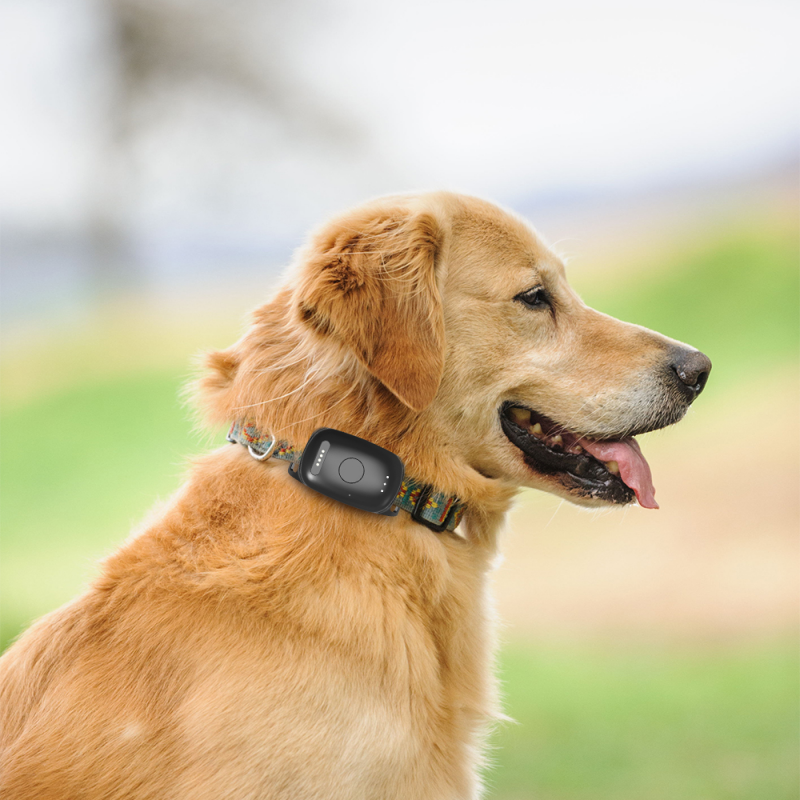
The best animal trackers incorporate comprehensive health monitoring and behavioral analysis capabilities that transform simple location tracking into sophisticated wellness and activity assessment systems. These advanced features utilize multiple sensors including accelerometers, gyroscopes, temperature monitors, and heart rate sensors to create detailed profiles of animal health, behavior patterns, and environmental responses. Activity recognition algorithms analyze movement data to identify specific behaviors such as feeding, resting, grooming, playing, and social interactions, providing valuable insights into animal welfare and natural behavior patterns. Health monitoring capabilities detect changes in activity levels, sleep patterns, and physiological parameters that may indicate illness, injury, or stress before visible symptoms appear. Temperature sensors monitor both environmental conditions and body temperature fluctuations, helping identify fever, hypothermia, or exposure to extreme weather conditions that could threaten animal health. Heart rate monitoring in advanced models provides real-time cardiovascular data that assists veterinarians and researchers in assessing fitness levels, stress responses, and overall health status. Behavioral pattern analysis creates baseline profiles for individual animals, enabling the detection of abnormal behaviors that may indicate medical issues, environmental stressors, or changes in social dynamics within groups. Stress level indicators utilize multiple data points including movement patterns, heart rate variability, and environmental factors to assess animal welfare and identify situations requiring intervention. Sleep quality monitoring tracks rest periods and sleep patterns, providing insights into recovery processes and identifying sleep disorders that may affect overall health. Feeding behavior analysis helps monitor appetite changes and eating patterns that serve as early indicators of health problems or environmental changes affecting food availability. Social interaction tracking in group settings analyzes proximity data and movement synchronization to understand herd dynamics, dominance structures, and social bonding patterns. Alert systems notify users of concerning health indicators or behavioral changes, enabling prompt veterinary care or research interventions. Historical data analysis reveals long-term trends in health and behavior, supporting preventive care strategies and scientific research into animal welfare, disease progression, and environmental impacts on wildlife populations.











 Office:29th Floor,Changjiang Center, Renmin Road, Longhua, Shenzhen.
 Factory: 201# Building 1A, Nankechuang Yuangu, Gaofeng Road, Longhua, Shenzhen.
 +86 15899795842
