Real Time Animal Tracking Systems - Advanced Wildlife Monitoring Technology

real time animal tracking

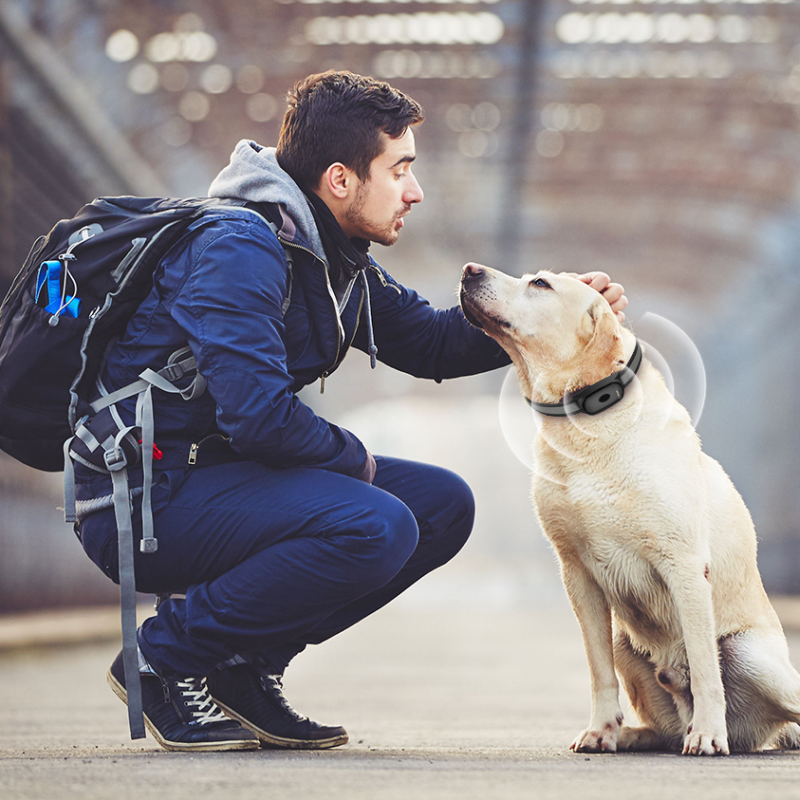
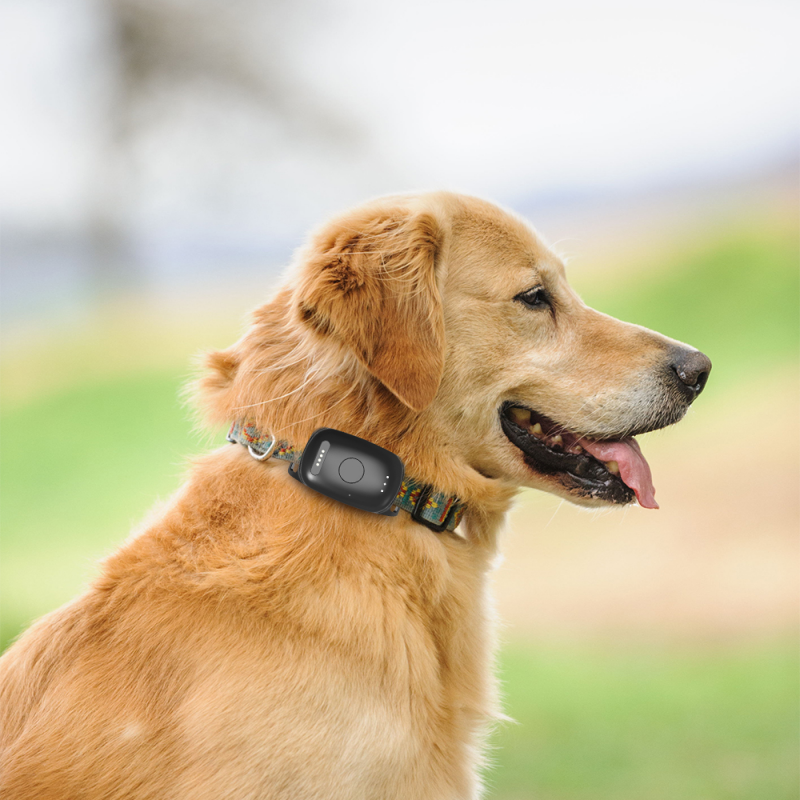
Real time animal tracking represents a revolutionary advancement in wildlife monitoring and management technology that enables researchers, conservationists, and wildlife managers to observe animal behavior and movement patterns with unprecedented precision. This sophisticated system combines cutting-edge GPS technology, satellite communication, and advanced sensor networks to provide continuous monitoring capabilities that transform how we study and protect wildlife populations. The core functionality of real time animal tracking revolves around lightweight, durable tracking devices that are safely attached to animals through collars, tags, or implants, depending on the species and research requirements. These devices continuously collect location data, transmitting information through cellular networks, satellite systems, or radio frequencies to centralized databases where researchers can access live updates about animal positions, migration routes, and behavioral patterns. The technological framework incorporates multiple communication protocols to ensure reliable data transmission across diverse environments, from dense forests to remote oceanic regions. Advanced real time animal tracking systems feature sophisticated sensors that monitor not only location coordinates but also environmental conditions, animal health metrics, and activity levels, providing comprehensive insights into wildlife ecology. The integration of machine learning algorithms enables predictive analytics, helping researchers anticipate migration patterns, identify habitat preferences, and detect potential threats to animal populations. Modern real time animal tracking platforms offer user-friendly interfaces that allow researchers to visualize data through interactive maps, generate detailed reports, and set customized alerts for specific events or geographic boundaries. Applications span across wildlife research, conservation efforts, livestock management, pet safety, and ecosystem monitoring, making real time animal tracking an invaluable tool for various stakeholders committed to understanding and protecting animal welfare in our rapidly changing world.

New Product Recommendations

Real time animal tracking delivers transformative benefits that revolutionize wildlife research and conservation efforts through immediate access to critical animal movement data. Researchers gain unprecedented insights into animal behavior patterns, enabling them to make informed decisions quickly rather than waiting months or years for traditional tracking methods to yield results. The continuous monitoring capability eliminates guesswork and provides accurate, up-to-date information about animal locations, migration routes, and habitat utilization patterns that directly support evidence-based conservation strategies. Wildlife managers benefit from enhanced protection capabilities as real time animal tracking systems immediately alert them when animals enter dangerous zones, approach human settlements, or venture into areas with high poaching risks, enabling rapid response interventions that can save lives and prevent human-wildlife conflicts. The technology significantly reduces research costs by eliminating the need for expensive aerial surveys, extensive field expeditions, and large research teams, while simultaneously increasing data accuracy and coverage areas beyond what traditional methods could achieve. Conservation organizations leverage real time animal tracking to demonstrate measurable impact to donors and stakeholders, showing concrete results of their protection efforts through detailed movement data and successful wildlife management outcomes. Livestock owners experience substantial economic benefits through reduced animal losses, improved grazing management, and enhanced breeding program effectiveness as they monitor animal health, track fertility cycles, and optimize pasture utilization based on real-time movement patterns. The technology enables early detection of disease outbreaks by monitoring abnormal behavior patterns and movement changes that indicate potential health issues, allowing for swift veterinary intervention before problems spread throughout populations. Pet owners gain peace of mind through instant notifications when their animals leave designated safe areas, enabling quick recovery of lost pets and reducing the emotional distress associated with missing companion animals. Environmental researchers utilize real time animal tracking data to study ecosystem dynamics, understand species interactions, and assess the effectiveness of habitat restoration projects, contributing valuable scientific knowledge that informs future conservation planning and policy development initiatives.

Practical Tips

How do I know when the battery is running low?

12

Nov

How do I know when the battery is running low?

Learn how Eview GPS devices alert you when the battery is low, ensuring your pet’s safety with timely reminders for recharging.
View More
Do you offer customized service?

12

Nov

Do you offer customized service?

Eview GPS provides a variety of customized services for pet GPS trackers, including logo branding, packaging, and unique tracking features tailored to meet business needs.
View More

Get a Free Quote

Our representative will contact you soon.
Email
Name
Company Name
Message
0/1000

real time animal tracking

Advanced GPS Precision and Satellite Communication

Advanced GPS Precision and Satellite Communication

Real time animal tracking systems utilize state-of-the-art GPS technology combined with sophisticated satellite communication networks to deliver unparalleled accuracy in animal location monitoring. The precision of modern GPS tracking devices has reached remarkable levels, with location accuracy typically within 3-5 meters, enabling researchers to understand detailed movement patterns, habitat preferences, and behavioral nuances that were previously impossible to observe. Advanced satellite communication ensures reliable data transmission even in the most remote locations, from arctic tundra to dense rainforests, where traditional cellular networks are unavailable. The integration of multiple satellite constellations, including GPS, GLONASS, and Galileo systems, provides redundancy and enhanced reliability, ensuring continuous tracking capability regardless of geographic challenges or atmospheric conditions. Real time animal tracking devices feature intelligent power management systems that optimize battery life while maintaining consistent data transmission intervals, with some units capable of operating for several years without replacement. The sophisticated communication protocols automatically switch between satellite and cellular networks based on availability and signal strength, ensuring optimal data delivery while minimizing power consumption and operational costs. Advanced real time animal tracking systems incorporate geofencing capabilities that create virtual boundaries around specific areas, automatically triggering alerts when animals enter or exit designated zones, enabling proactive management responses for conservation, safety, and research purposes. The technology supports customizable data transmission intervals, allowing researchers to balance battery life with data resolution requirements based on specific study objectives, whether monitoring daily foraging patterns or long-distance migration routes. Integration with cloud-based platforms enables real-time data processing and analysis, providing immediate access to movement patterns, behavioral insights, and environmental correlations that support rapid decision-making and adaptive management strategies essential for effective wildlife conservation and research programs.
Comprehensive Health and Behavior Monitoring

Comprehensive Health and Behavior Monitoring

Modern real time animal tracking extends far beyond simple location monitoring by incorporating advanced sensor technology that provides comprehensive insights into animal health, behavior, and physiological conditions. Sophisticated accelerometers and gyroscopes within tracking devices analyze movement patterns to determine specific behaviors such as feeding, resting, running, or social interactions, creating detailed behavioral profiles that enhance understanding of species ecology and welfare. Temperature sensors monitor both ambient environmental conditions and animal body temperature, providing early warning systems for health issues, stress responses, or environmental challenges that could impact survival and reproduction rates. Heart rate monitors integrated into some real time animal tracking systems offer unprecedented insights into animal stress levels, fitness conditions, and responses to human activities or environmental changes, enabling researchers to assess the impact of conservation interventions and habitat modifications. Advanced activity sensors distinguish between different types of movement, identifying whether animals are walking, running, swimming, or engaging in species-specific behaviors, providing valuable data for understanding energy expenditure, habitat utilization, and behavioral adaptations to changing environments. Real time animal tracking systems equipped with pressure sensors can monitor diving depths and underwater behavior patterns for aquatic species, revealing critical information about feeding strategies, migration routes, and ocean habitat preferences that inform marine conservation efforts. Integrated environmental sensors collect data on humidity, light exposure, and atmospheric pressure, correlating animal behavior with environmental conditions to identify optimal habitat characteristics and predict species responses to climate change scenarios. The behavioral analysis capabilities of real time animal tracking systems enable researchers to detect abnormal activity patterns that may indicate illness, injury, or distress, allowing for timely intervention and veterinary care that can significantly improve animal welfare outcomes. Machine learning algorithms analyze behavioral data patterns to predict future movements and identify potential risks, supporting proactive conservation management and enabling researchers to anticipate and prevent negative outcomes before they occur.
Multi-Species Compatibility and Scalable Deployment

Multi-Species Compatibility and Scalable Deployment

Real time animal tracking technology demonstrates remarkable versatility through its ability to accommodate diverse species requirements while supporting large-scale research and conservation initiatives across multiple populations simultaneously. The modular design of tracking devices allows for customization based on specific animal characteristics, with ultra-lightweight options for small birds weighing less than 5 grams, robust waterproof units for marine mammals, and durable long-term devices for large terrestrial species that can withstand harsh environmental conditions for years. Advanced attachment methods ensure animal safety and comfort while maintaining device functionality, utilizing breakaway mechanisms that prevent entanglement, biocompatible materials that reduce skin irritation, and ergonomic designs that minimize impact on natural behaviors and movement patterns. Scalable deployment capabilities enable researchers to monitor hundreds or thousands of animals simultaneously through centralized management platforms that aggregate data from multiple tracking devices, providing population-level insights and supporting landscape-scale conservation planning efforts. Real time animal tracking systems support collaborative research initiatives by enabling data sharing between multiple organizations and research institutions through secure cloud-based platforms that maintain data integrity while facilitating scientific cooperation and knowledge exchange. The technology accommodates varying research budgets and objectives through flexible pricing models and device options, from basic location tracking for small-scale studies to comprehensive monitoring suites for major conservation programs, ensuring accessibility for diverse research communities and conservation organizations. Integration capabilities with existing research infrastructure allow real time animal tracking systems to complement traditional monitoring methods, camera traps, and environmental monitoring networks, creating comprehensive ecosystem monitoring frameworks that enhance scientific understanding and conservation effectiveness. Advanced data management features support long-term research projects by maintaining historical tracking records, enabling longitudinal studies that reveal population trends, habitat changes, and species adaptation patterns over extended time periods. The expandable nature of real time animal tracking networks allows researchers to add new monitoring locations and species without disrupting existing systems, supporting adaptive research designs that can evolve with changing conservation priorities and emerging scientific questions, making it an invaluable investment for future wildlife research and conservation efforts.

Related Search

real time animal tracking-2 real time animal tracking-3 real time animal tracking-4 real time animal tracking-5