Advanced Real-Time Tracking with Intelligent Monitoring
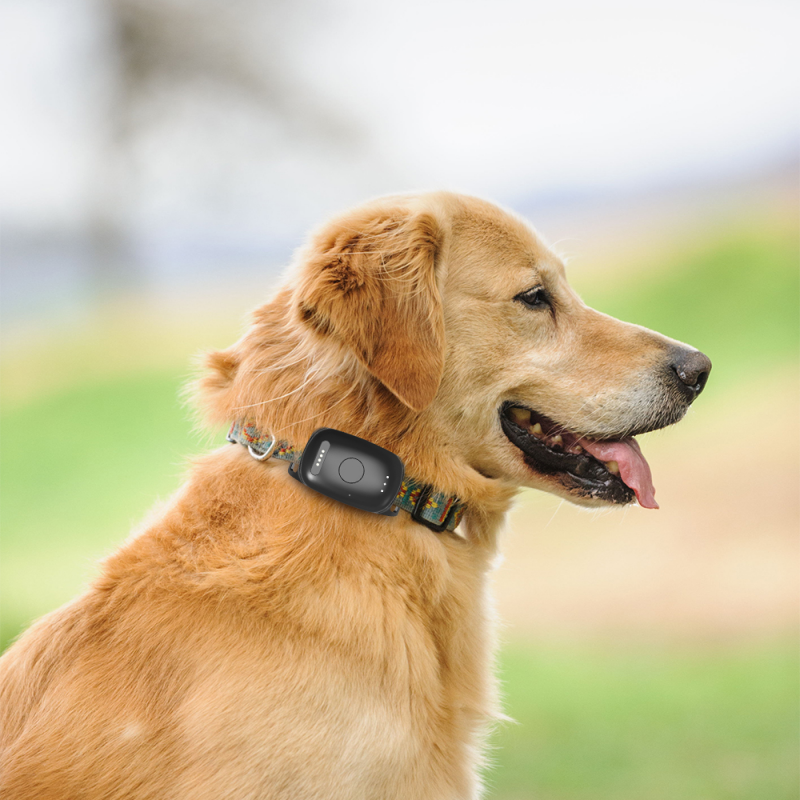
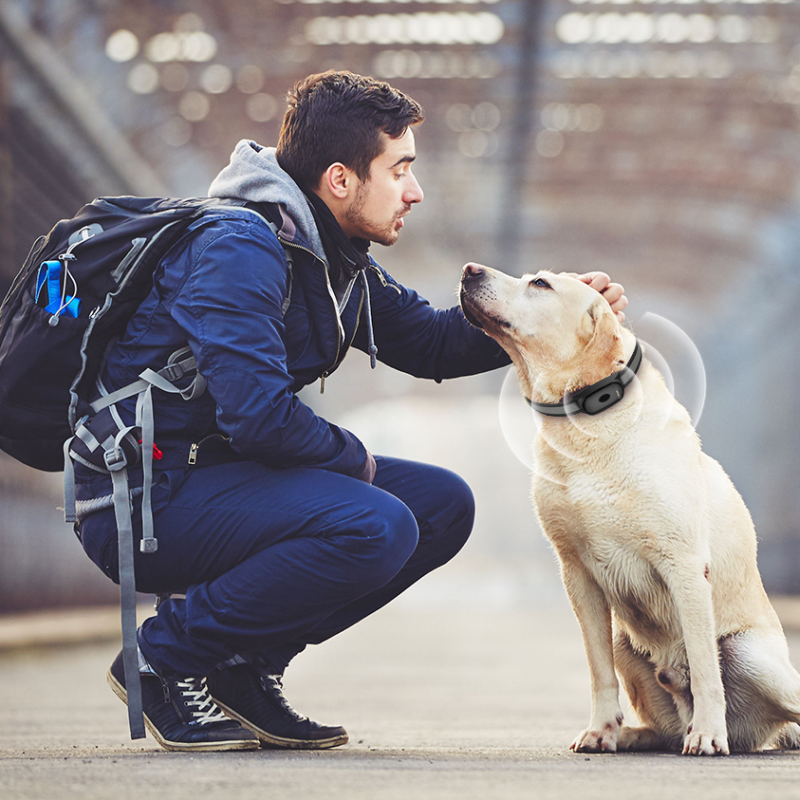
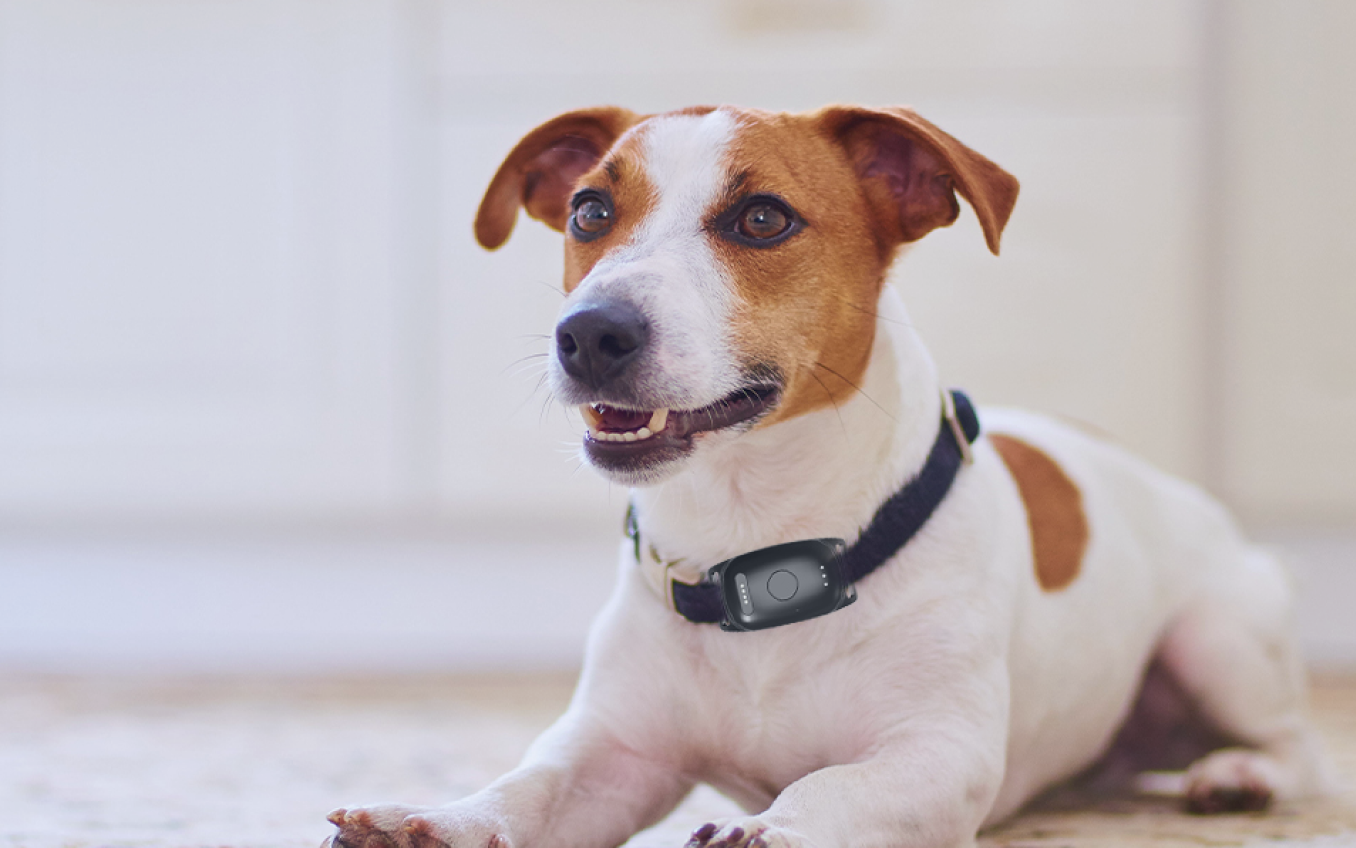
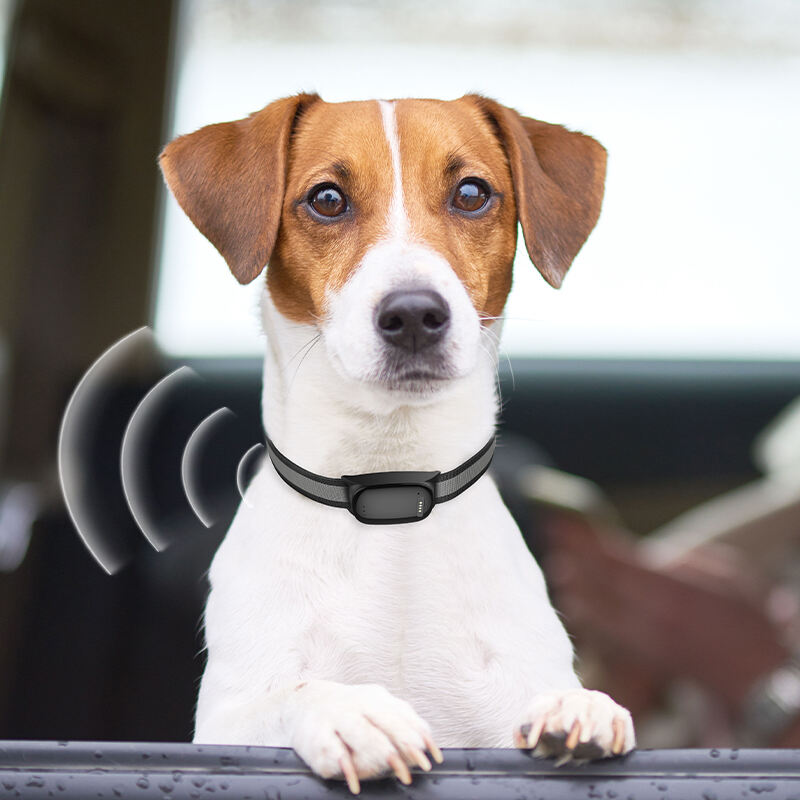
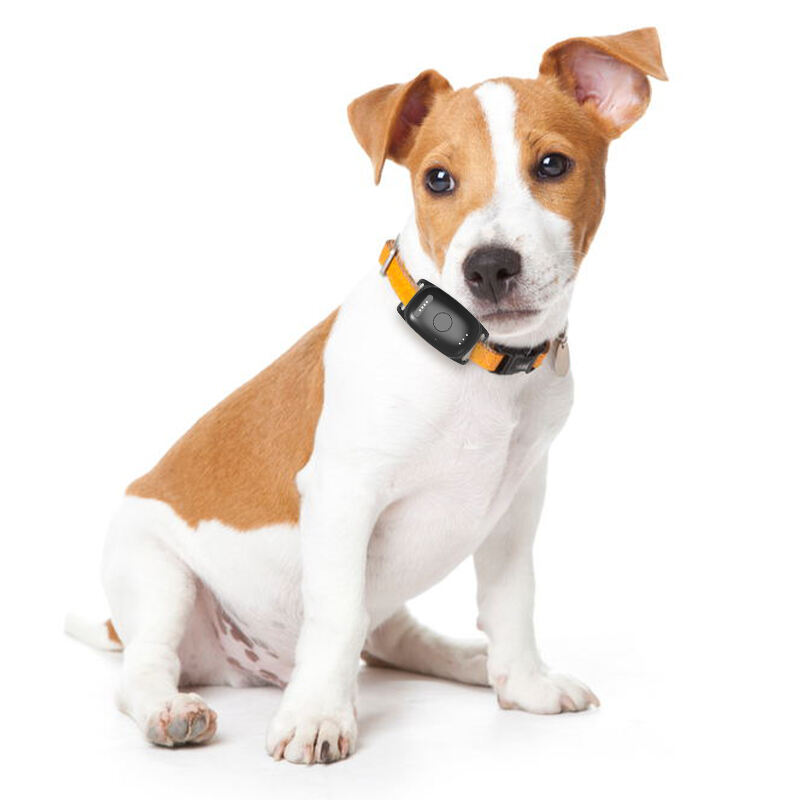
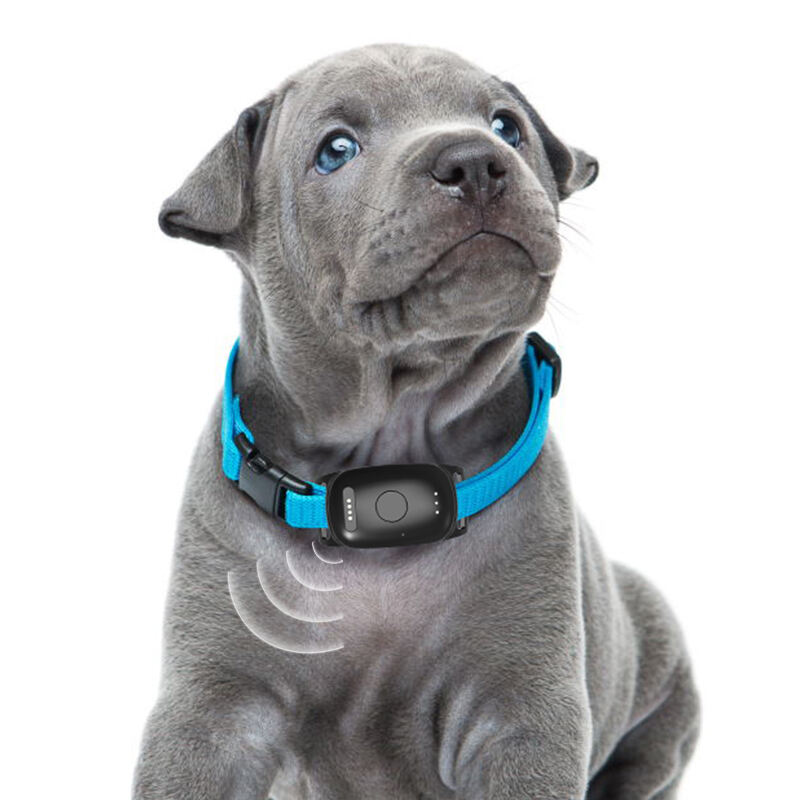
The smallest GPS dog tracker delivers sophisticated real-time positioning capabilities through multi-constellation satellite systems that provide unprecedented accuracy and reliability for pet monitoring applications. These devices simultaneously connect to GPS, GLONASS, Galileo, and BeiDou satellite networks, ensuring consistent signal acquisition even in urban environments with tall buildings or dense forest canopies that traditionally challenge single-system trackers. The intelligent tracking algorithms automatically adjust update frequencies based on movement patterns, providing location updates every 10-30 seconds during active periods while extending to 2-5 minute intervals during rest phases to optimize battery consumption. Advanced motion detection sensors distinguish between various activity types, including walking, running, playing, and sleeping, providing comprehensive behavioral insights that help owners understand their pet's daily routines and health patterns. The smallest GPS dog tracker incorporates predictive positioning technology that anticipates movement directions and pre-calculates potential locations, reducing the time required to acquire fresh coordinates when dogs change direction rapidly. Geofencing capabilities allow creation of multiple virtual boundaries with customizable shapes and sizes, from simple circular safe zones around homes to complex polygonal areas that encompass entire neighborhoods or parks. The system provides graduated alert levels, sending gentle notifications for minor boundary crossings while triggering urgent alerts for significant departures from established safe areas. Cloud-based processing enhances the smallest GPS dog tracker performance by offloading complex calculations to remote servers, enabling sophisticated analytics without draining device battery or requiring powerful onboard processors. Historical tracking data creates detailed heat maps showing favorite locations, exercise routes, and time-based activity patterns that help owners optimize walking schedules and identify behavioral changes that might indicate health issues. Integration with weather services provides contextual information about environmental conditions during tracking sessions, helping correlate activity levels with temperature, humidity, and precipitation factors.





 Office:29th Floor,Changjiang Center, Renmin Road, Longhua, Shenzhen.
 Factory: 201# Building 1A, Nankechuang Yuangu, Gaofeng Road, Longhua, Shenzhen.



 +86 15899795842
