
Are Cat Tracking Collars Safe for Small or Delicate Breeds?
Pet owners with small or delicate cat breeds often worry about the safety and comfort of cat tracking collars on their beloved companions. While these devices offer invaluable peace of mind through real-time location monitoring, concerns about weight, size, and potential irritation are completely understandable. Modern cat tracking collars have evolved significantly to address these specific concerns, incorporating lightweight materials, ergonomic designs, and adjustable features that prioritize feline comfort without compromising tracking capabilities.
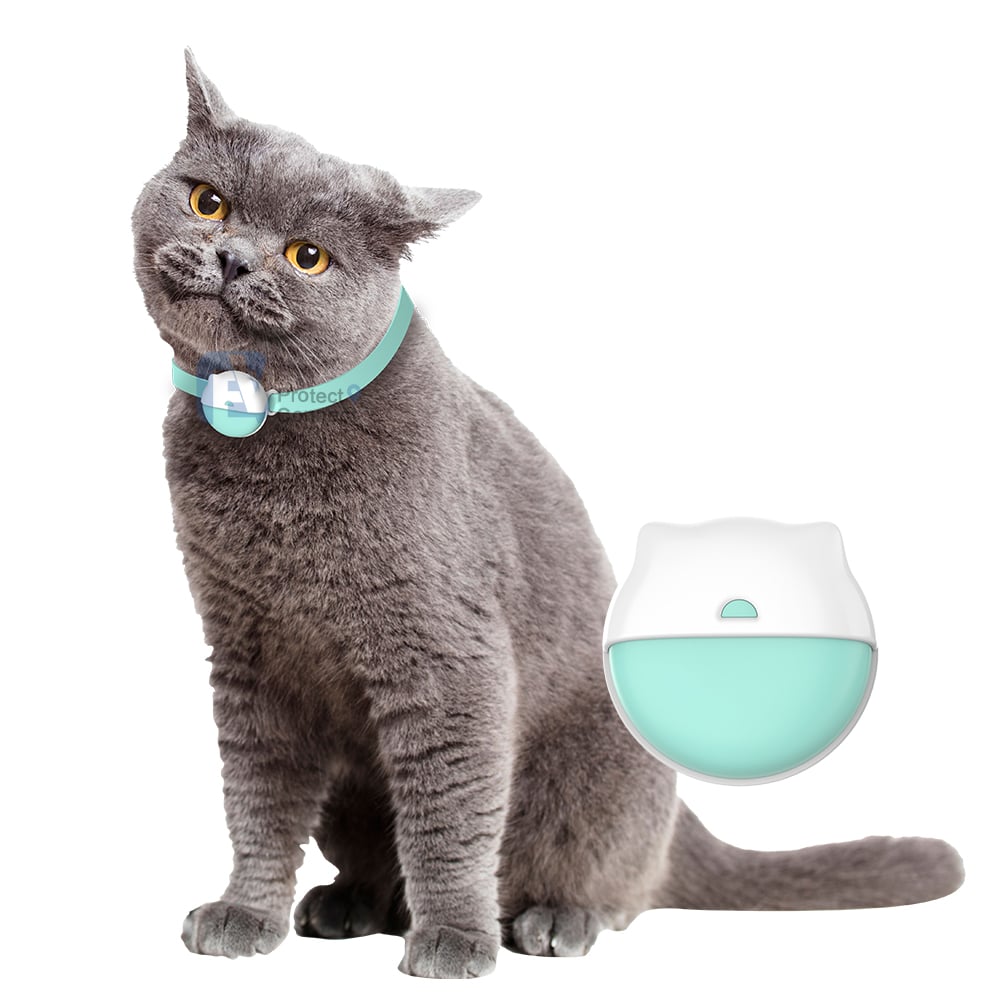
The advancement in GPS technology has enabled manufacturers to create increasingly compact and lightweight tracking devices specifically designed for smaller feline companions. These specialized cat tracking collars typically weigh between 15-35 grams, making them suitable even for petite breeds like Singapura cats or young kittens. The reduced weight ensures that cats can move naturally without experiencing discomfort or behavioral changes that might result from wearing bulky traditional collars.
Safety considerations extend beyond weight to include collar materials, breakaway mechanisms, and proper fitting protocols. Quality cat tracking collars feature hypoallergenic materials that minimize skin irritation and include breakaway clasps that release under pressure to prevent choking hazards. These safety features are particularly crucial for delicate breeds with sensitive skin or those prone to getting caught in tight spaces during their explorations.
Design Features for Small and Delicate Cat Breeds
Lightweight Construction and Materials
Modern cat tracking collars utilize advanced materials such as aircraft-grade aluminum, high-strength plastics, and textile blends that significantly reduce overall weight while maintaining durability. The tracking module itself has been miniaturized through improved battery technology and circuit board optimization, allowing manufacturers to create devices that weigh less than a standard identification tag. This lightweight approach ensures that even the most delicate cat breeds can wear cat tracking collars comfortably throughout their daily activities.
The collar straps are typically constructed from soft, flexible materials like neoprene or padded nylon that conform to the cat's neck shape without causing pressure points or chafing. Many premium models incorporate moisture-wicking fabrics that help prevent skin irritation caused by humidity or light rain exposure. These material innovations demonstrate how cat tracking collars have been specifically engineered to accommodate the unique needs of smaller and more sensitive feline companions.
Adjustable Sizing and Ergonomic Design
Proper sizing is absolutely critical when selecting cat tracking collars for small or delicate breeds, as an ill-fitting collar can cause discomfort, restrict breathing, or create safety hazards. Quality tracking collars feature multiple adjustment points and sizing options to ensure a secure yet comfortable fit across different neck circumferences. The general rule of thumb is maintaining enough space to slide two fingers between the collar and the cat's neck, preventing both escape and restriction.
Ergonomic design elements include rounded edges, smooth surfaces, and strategically positioned tracking modules that minimize interference with natural movement patterns. Some advanced cat tracking collars feature curved tracking units that follow the natural contours of a cat's neck, distributing weight more evenly and reducing pressure points. These design considerations are particularly important for breeds with delicate bone structures or those prone to tracheal sensitivity.
Safety Mechanisms and Health Considerations
Breakaway Technology and Emergency Release
Safety-conscious cat tracking collars incorporate sophisticated breakaway mechanisms designed to release under specific pressure levels, typically between 3-6 pounds of force. This technology protects cats from potential strangulation or injury if the collar becomes caught on branches, fences, or other obstacles during outdoor adventures. The breakaway force is carefully calibrated to prevent accidental release during normal activity while ensuring prompt detachment in emergency situations.
Some premium cat tracking collars feature magnetic breakaway clasps that provide consistent release pressure and can be easily reconnected after separation. These magnetic systems offer advantages over traditional plastic breakaway clasps, which may weaken over time or fail to release properly due to debris accumulation. The reliability of breakaway mechanisms is particularly crucial for delicate breeds that may be more vulnerable to injury if trapped or entangled.
Hypoallergenic Materials and Skin Health
Delicate cat breeds often have sensitive skin that requires careful consideration when selecting appropriate cat tracking collars. Quality manufacturers use hypoallergenic materials such as medical-grade silicone, organic cotton, or specially treated synthetic fabrics that minimize allergic reactions and skin irritation. These materials undergo rigorous testing to ensure they meet safety standards for prolonged skin contact and won't cause adverse reactions in sensitive animals.
Regular monitoring of the collar area is essential to detect early signs of irritation, hair loss, or skin discoloration that might indicate an allergic reaction or improper fit. Pet owners should inspect their cat's neck daily, looking for redness, swelling, or unusual scratching behavior that could signal discomfort. Quality cat tracking collars should never leave permanent marks or cause lasting skin damage when properly fitted and maintained.
Behavioral Impact and Adaptation Strategies
Initial Adaptation Period Management
Most cats require an adjustment period when first wearing cat tracking collars, with delicate breeds potentially needing extra patience and gradual introduction protocols. The adaptation process typically involves short initial wearing sessions of 15-30 minutes, gradually increasing duration over several days until the cat becomes comfortable wearing the collar continuously. During this period, pet owners should closely observe their cat's behavior for signs of distress, excessive scratching, or attempts to remove the collar.
Positive reinforcement techniques, such as offering treats or engaging in play activities while the cat wears the collar, can help create positive associations with the new accessory. Some cats may initially exhibit behaviors like excessive grooming around the collar area or temporary changes in appetite, which usually resolve within a few days as the animal adapts. Patience and consistent positive reinforcement are key factors in successful collar acceptance, particularly for sensitive or anxious cat personalities.
Long-term Comfort and Behavioral Monitoring
Once cats have adapted to wearing cat tracking collars, ongoing behavioral monitoring helps ensure continued comfort and proper device function. Pet owners should observe their cats for any changes in eating habits, grooming patterns, or activity levels that might indicate collar-related issues. Healthy cats wearing properly fitted tracking collars should exhibit normal behaviors without any signs of discomfort or restriction.
Regular collar maintenance, including cleaning and inspection of wear points, helps prevent issues that could affect comfort or safety over time. The tracking device battery life, waterproofing integrity, and collar strap condition should be checked periodically to ensure optimal performance. Well-maintained cat tracking collars can provide years of reliable service while maintaining the comfort and safety standards required for delicate cat breeds.
Technology Features Optimized for Small Cats
Battery Life and Power Management
Advanced power management systems in modern cat tracking collars extend battery life while minimizing device size and weight. Many current models utilize efficient GPS chipsets and smart power algorithms that optimize tracking frequency based on the cat's activity patterns, conserving energy during periods of rest while maintaining accurate location monitoring during active periods. This intelligent power management allows manufacturers to use smaller batteries without sacrificing functionality or tracking reliability.
Some cat tracking collars feature rechargeable lithium-ion batteries that can provide 7-14 days of operation between charges, depending on usage patterns and feature settings. The charging systems are typically designed for easy removal and reconnection, allowing pet owners to charge the device without leaving their cat collar-free for extended periods. Solar charging capabilities in some premium models further extend battery life and reduce maintenance requirements for outdoor cats.
Geofencing and Alert Systems
Sophisticated geofencing capabilities in cat tracking collars allow pet owners to establish virtual boundaries and receive immediate alerts if their cat ventures outside designated safe areas. These systems are particularly valuable for delicate breeds that may be more vulnerable to predators or environmental hazards if they stray too far from home. Custom geofence shapes and sizes can be configured to match specific property layouts or neighborhood safe zones.
Real-time alert systems utilize smartphone apps to notify owners instantly when boundary violations occur, enabling rapid response to potential safety concerns. Advanced cat tracking collars may include multiple alert types, such as low battery warnings, collar removal notifications, and unusual activity pattern alerts that could indicate illness or distress. These comprehensive monitoring capabilities provide an additional layer of protection specifically beneficial for small or vulnerable cat breeds.
Veterinary Perspectives and Health Monitoring
Professional Recommendations for Delicate Breeds
Veterinary professionals generally support the use of properly fitted cat tracking collars for appropriate candidates, recognizing the significant safety benefits they provide through location monitoring and recovery assistance. However, veterinarians emphasize the importance of breed-specific considerations when selecting tracking devices, particularly for cats with respiratory sensitivities, skin conditions, or structural abnormalities that might affect collar tolerance.
Pre-collar veterinary consultations can help identify potential contraindications and ensure that cat tracking collars are appropriate for individual animals. Veterinarians may recommend specific collar types, fitting protocols, or monitoring schedules based on the cat's health history, age, and breed characteristics. This professional guidance is particularly valuable for owners of delicate breeds who want to balance safety benefits with health considerations.
Health Monitoring Integration
Some advanced cat tracking collars incorporate basic health monitoring features such as activity level tracking, sleep pattern analysis, and temperature monitoring that can provide valuable insights into feline wellbeing. These features are particularly useful for delicate breeds that may be more susceptible to health issues or behavioral changes that could indicate underlying problems.
Activity monitoring through cat tracking collars can help establish baseline behavior patterns and detect deviations that might warrant veterinary attention. Sudden changes in movement patterns, extended periods of inactivity, or unusual location preferences could indicate illness, injury, or environmental stressors affecting the cat's health. This data can be valuable for veterinary consultations and help ensure prompt medical intervention when needed.
FAQ
What is the minimum age and weight for cats to safely wear tracking collars
Most cat tracking collars are suitable for cats weighing at least 2.5 pounds or approximately 4-6 months of age, though specific recommendations vary by manufacturer and device model. Kittens and very small adult cats should be evaluated individually, considering factors such as neck circumference, overall health, and behavioral maturity. Veterinary consultation is recommended before introducing tracking collars to very young or underweight cats to ensure appropriate timing and device selection.
How often should I check and adjust the collar fit on my small cat
Cat tracking collars should be checked daily during the initial adaptation period and at least weekly thereafter to ensure proper fit and detect any signs of irritation or wear. Growing kittens may require more frequent adjustments as they develop, while adult cats typically need less frequent monitoring unless weight changes occur. The two-finger rule should be consistently applied, ensuring the collar is snug enough to prevent escape while loose enough to allow comfortable breathing and swallowing.
Can delicate cat breeds wear tracking collars continuously or should there be rest periods
Most healthy cats, including delicate breeds, can safely wear properly fitted cat tracking collars continuously without requiring regular rest periods. However, periodic collar removal for cleaning, inspection, and skin health checks is recommended, typically during supervised indoor time when escape risk is minimal. Cats showing any signs of skin irritation, behavioral changes, or collar-related stress should have their wearing schedule adjusted in consultation with a veterinarian.
What emergency features should I prioritize in tracking collars for vulnerable cat breeds
Essential safety features for delicate cat breeds include reliable breakaway mechanisms, real-time location tracking with immediate alerts, waterproof construction, and long battery life to prevent tracking gaps. Geofencing capabilities with customizable boundary alerts are particularly valuable for monitoring vulnerable cats that may be at higher risk if they venture into dangerous areas. Additionally, consider models with backup communication methods, such as cellular and Wi-Fi connectivity, to ensure consistent tracking reliability even in areas with limited GPS coverage.


 Office:29th Floor,Changjiang Center, Renmin Road, Longhua, Shenzhen.
 Factory: 201# Building 1A, Nankechuang Yuangu, Gaofeng Road, Longhua, Shenzhen.
 +86 15899795842
