
Can Dog GPS Trackers Increase Customer Retention in Pet Services?
Pet service businesses face unprecedented challenges in maintaining customer loyalty in today's competitive marketplace. From dog walking services to pet boarding facilities, companies are discovering that technology integration can significantly impact customer retention rates. Dog GPS trackers have emerged as a transformative solution that not only enhances pet safety but also strengthens the bond between service providers and pet owners. These innovative devices offer real-time location monitoring, safety alerts, and peace of mind that modern pet parents desperately seek. By implementing dog GPS trackers into their service offerings, businesses can differentiate themselves while building deeper trust relationships with their clientele.
Understanding the Pet Services Market Landscape
Current Market Dynamics and Customer Expectations
The pet services industry has witnessed remarkable growth over the past decade, with pet owners increasingly viewing their animals as family members rather than simple companions. This shift in perception has elevated expectations for professional pet care services, with customers demanding transparency, accountability, and enhanced safety measures. Modern pet owners are willing to invest significantly in services that provide additional security and monitoring capabilities for their beloved animals.
Customer retention in pet services traditionally relies on trust, reliability, and quality of care. However, the digital transformation has introduced new opportunities for service providers to exceed expectations through technological innovation. Dog GPS trackers represent a cutting-edge solution that addresses fundamental concerns about pet safety while demonstrating a commitment to excellence that resonates with discerning pet owners.
The Challenge of Customer Acquisition vs Retention
Acquiring new customers in the pet services sector can cost five times more than retaining existing ones, making customer loyalty a critical business priority. Traditional retention strategies often focus on service quality and competitive pricing, but these approaches may not sufficiently differentiate businesses in saturated markets. The integration of dog GPS trackers creates a unique value proposition that combines practical benefits with emotional reassurance.
Service providers who embrace technological solutions like dog GPS trackers position themselves as forward-thinking organizations that prioritize pet welfare above conventional approaches. This positioning can significantly influence customer decision-making processes, as pet owners increasingly seek providers who demonstrate innovation and commitment to animal safety through advanced monitoring systems.
Technology Integration in Pet Care Services
The Evolution of Pet Monitoring Solutions
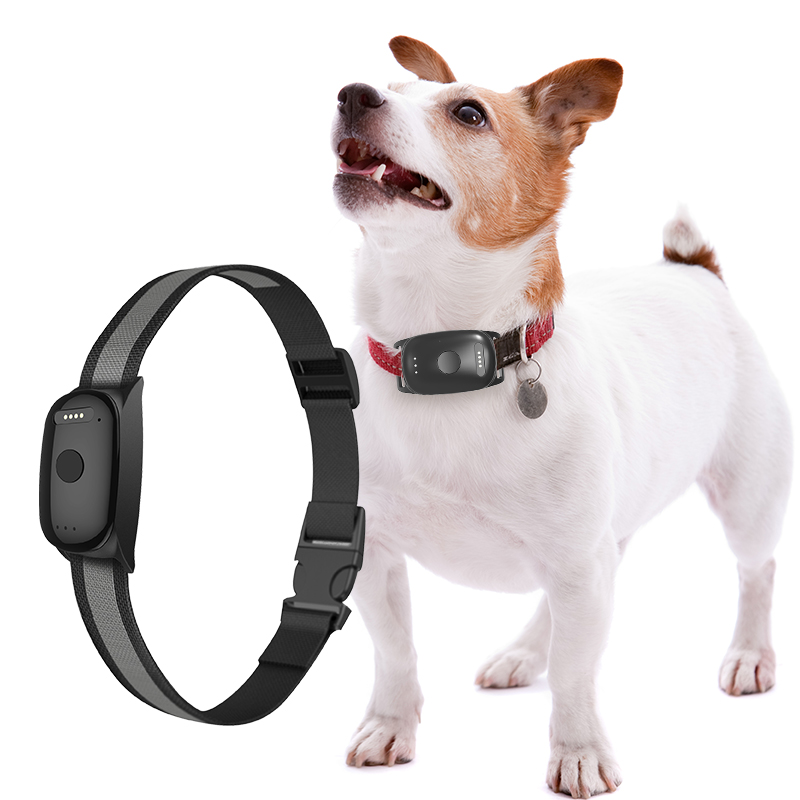
Pet monitoring technology has evolved dramatically from basic identification tags to sophisticated GPS tracking systems that provide real-time location data, activity monitoring, and health insights. Dog GPS trackers now incorporate features such as geofencing capabilities, escape alerts, and detailed activity reports that enable service providers to deliver unprecedented levels of care documentation and transparency.
The advancement in GPS technology has made these devices more accurate, longer-lasting, and user-friendly than ever before. Modern dog GPS trackers can operate for days on a single charge while providing continuous monitoring and instant notifications to both service providers and pet owners. This reliability has made GPS tracking an increasingly viable option for professional pet care businesses seeking to enhance their service offerings.
Implementation Strategies for Service Providers
Successful implementation of dog GPS trackers requires careful consideration of operational workflows, staff training, and customer communication strategies. Service providers must develop clear protocols for device deployment, monitoring procedures, and incident response to maximize the technology's benefits. Staff members need comprehensive training on GPS tracker functionality, troubleshooting, and customer explanation techniques.
The integration process should also include customer education components that help pet owners understand the technology's capabilities and limitations. Clear communication about how dog GPS trackers enhance safety and provide valuable insights can significantly improve customer acceptance and satisfaction with the technology integration.
Customer Retention Benefits of GPS Tracking
Building Trust Through Transparency
Transparency represents one of the most significant factors influencing customer retention in pet services, and dog GPS trackers provide unprecedented visibility into pet care activities. When customers can access real-time location data, activity logs, and safety notifications, they develop stronger confidence in their chosen service provider. This transparency eliminates uncertainty and anxiety that pet owners often experience when leaving their animals in professional care.
The ability to monitor pets remotely through GPS tracking creates a sense of involvement and control that enhances the overall customer experience. Pet owners appreciate being able to check on their animals throughout the day, knowing exactly where they are and what activities they're engaging in. This level of transparency builds trust that extends far beyond single transactions, fostering long-term relationships that drive customer retention.
Enhanced Communication and Customer Engagement
Dog GPS trackers facilitate improved communication between service providers and pet owners through automated notifications, detailed activity reports, and real-time updates. This enhanced communication helps address concerns proactively, reduces anxiety, and demonstrates professional dedication to pet welfare. Regular updates and insights from GPS tracking data create multiple touchpoints for customer engagement throughout each service interaction.
The data generated by dog GPS trackers enables service providers to offer personalized recommendations, identify potential health concerns, and suggest additional services based on observed patterns. This consultative approach positions providers as trusted advisors rather than simple service vendors, significantly increasing the likelihood of customer retention and referral generation.
Competitive Advantages in the Pet Services Market
Differentiation Through Innovation
In highly competitive pet services markets, differentiation becomes crucial for business sustainability and growth. Dog GPS trackers provide a tangible competitive advantage that sets innovative service providers apart from traditional competitors who rely solely on conventional care methods. This technological differentiation appeals particularly to tech-savvy pet owners who value innovation and advanced safety measures.
The implementation of dog GPS trackers signals to potential customers that a business is committed to staying current with industry developments and prioritizing pet safety through cutting-edge solutions. This perception can influence customer selection criteria and justify premium pricing structures that improve profit margins while maintaining competitive positioning.
Premium Service Positioning
GPS tracking capabilities enable service providers to position themselves in premium market segments where customers expect enhanced features and superior care standards. Dog GPS trackers support premium pricing strategies by delivering measurable value that justifies higher service costs. Customers are often willing to pay more for services that provide additional security, transparency, and peace of mind.
Premium positioning through GPS technology also attracts higher-value customers who are more likely to utilize multiple services, refer other pet owners, and maintain long-term relationships. These customers typically have higher lifetime values and contribute more significantly to business profitability than price-sensitive segments.
Implementation Challenges and Solutions
Technical Considerations and Infrastructure Requirements
Implementing dog GPS trackers requires careful evaluation of technical infrastructure, including network connectivity, device management systems, and data storage capabilities. Service providers must ensure reliable internet connectivity, adequate device charging stations, and robust data management protocols to support GPS tracking operations effectively. These technical requirements may necessitate initial infrastructure investments that should be carefully planned and budgeted.
Device selection represents another critical consideration, as different dog GPS trackers offer varying features, battery life, durability, and accuracy levels. Service providers should evaluate multiple options based on their specific operational requirements, customer expectations, and budget constraints. Proper device selection ensures optimal performance and customer satisfaction while minimizing operational complications.
Staff Training and Operational Integration
Successful GPS tracker implementation requires comprehensive staff training programs that cover device operation, troubleshooting procedures, customer communication protocols, and emergency response procedures. Staff members must understand how to properly attach and monitor dog GPS trackers, interpret tracking data, and explain technology benefits to customers effectively. Regular training updates ensure staff competency as technology evolves and new features become available.
Operational integration involves developing standardized procedures for device deployment, monitoring schedules, data analysis, and reporting protocols. Clear operational guidelines help ensure consistent service delivery, minimize errors, and maximize the customer retention benefits that dog GPS trackers can provide when implemented properly.
Measuring Customer Retention Impact
Key Performance Indicators and Metrics
Measuring the impact of dog GPS trackers on customer retention requires establishing clear key performance indicators and tracking methodologies. Important metrics include repeat booking rates, customer lifetime value, referral generation, and customer satisfaction scores before and after GPS implementation. These metrics provide quantifiable evidence of technology benefits and support data-driven decision-making for business optimization.
Customer feedback surveys and retention analysis help identify specific aspects of GPS tracking that most significantly influence retention decisions. Understanding which features and benefits resonate most strongly with customers enables service providers to optimize their GPS implementation strategies and marketing messages for maximum retention impact.
Return on Investment Analysis
Calculating return on investment for dog GPS trackers involves comparing implementation costs against retention-related revenue increases, premium pricing opportunities, and operational efficiency gains. While initial costs may include device purchases, infrastructure upgrades, and staff training expenses, the long-term benefits often justify these investments through improved customer retention rates and increased lifetime values.
ROI analysis should also consider intangible benefits such as brand reputation enhancement, competitive positioning improvements, and market differentiation value. These factors may not immediately translate to measurable revenue increases but contribute significantly to long-term business sustainability and growth potential in competitive pet services markets.
Future Trends and Technological Developments
Emerging GPS Technology Features
The evolution of dog GPS trackers continues advancing with new features such as health monitoring sensors, behavioral analysis capabilities, and integration with smart home systems. These developments will further enhance the customer retention benefits by providing even more comprehensive pet care insights and convenience features that strengthen the bond between service providers and pet owners.
Artificial intelligence integration in dog GPS trackers promises to deliver predictive analytics, personalized recommendations, and automated alert systems that will revolutionize pet care service delivery. These advanced capabilities will create new opportunities for service differentiation and customer engagement that support long-term retention strategies.
Industry Adoption and Market Evolution
As dog GPS trackers become more prevalent in pet services, early adopters will maintain competitive advantages while establishing themselves as industry leaders in technological innovation. The increasing customer expectation for GPS tracking capabilities will likely make this technology a standard requirement rather than a premium feature, making early implementation crucial for maintaining competitive positioning.
Market evolution suggests that dog GPS trackers will become integral components of comprehensive pet care service packages, with customers expecting tracking capabilities as basic service features. Service providers who fail to adopt GPS technology may find themselves at significant disadvantages as customer expectations continue evolving toward technology-enhanced care solutions.
FAQ
How do dog GPS trackers specifically improve customer retention rates?
Dog GPS trackers improve customer retention by providing transparency, enhancing communication, and building trust through real-time monitoring capabilities. When pet owners can track their animals' locations and activities during service periods, they experience reduced anxiety and increased confidence in their service provider. This transparency creates stronger emotional connections and demonstrates professional commitment to pet safety, leading to higher retention rates and customer loyalty.
What are the main costs associated with implementing GPS tracking in pet services?
Implementation costs for dog GPS trackers typically include device purchases, monthly service subscriptions, staff training expenses, and potential infrastructure upgrades. Initial device costs range from moderate to premium depending on feature requirements, while ongoing subscription fees support cellular connectivity and data services. However, these costs are often offset by increased customer retention, premium pricing opportunities, and operational efficiency improvements that justify the investment.
Do customers actually want GPS tracking for their pets during professional care?
Modern pet owners increasingly demand transparency and advanced safety features from professional pet care services. Surveys consistently show that customers value GPS tracking capabilities and are willing to pay premium prices for services that provide real-time monitoring and enhanced safety measures. The technology appeals particularly to younger demographics and urban pet owners who prioritize innovation and comprehensive care solutions for their animals.
How long does it take to see retention improvements after implementing GPS tracking?
Most service providers observe initial customer retention improvements within three to six months of implementing dog GPS trackers, with more significant long-term benefits becoming apparent after one year of consistent use. The timeline depends on factors such as implementation quality, staff training effectiveness, customer communication strategies, and market competition levels. Proper implementation and customer education can accelerate the timeline for observing measurable retention benefits.


 Office:29th Floor,Changjiang Center, Renmin Road, Longhua, Shenzhen.
 Factory: 201# Building 1A, Nankechuang Yuangu, Gaofeng Road, Longhua, Shenzhen.
 +86 15899795842
