
How Can Dog Collar Trackers Enhance Pet Stores’ Safety Solutions?
Pet stores today face increasing pressure to offer comprehensive safety solutions that address modern pet owners' concerns about their furry companions' wellbeing. Among the most innovative and sought-after safety technologies, dog collar trackers have emerged as essential tools that transform how pet retailers approach customer service and product offerings. These advanced tracking devices represent a significant opportunity for pet store owners to differentiate themselves in a competitive market while providing genuine value to concerned pet parents.
The integration of dog collar trackers into pet store inventory strategies reflects broader technological trends in the pet care industry. Modern pet owners increasingly view their pets as family members, driving demand for sophisticated monitoring and safety equipment. Pet stores that embrace this technology trend position themselves as forward-thinking retailers committed to animal welfare and customer satisfaction.
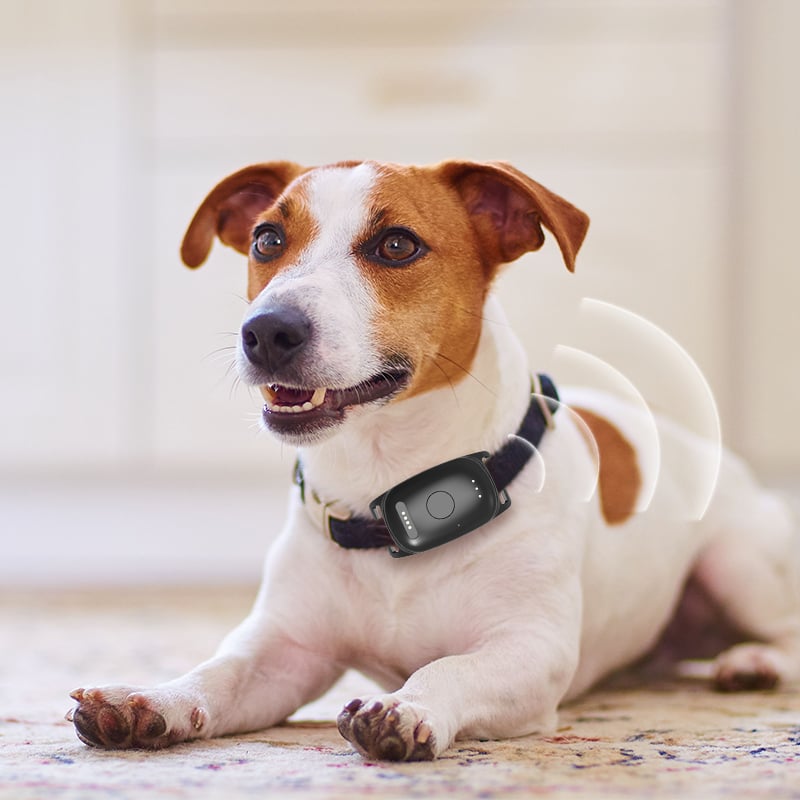
Understanding the Technology Behind Modern Dog Collar Trackers
GPS and Cellular Connectivity Features
Contemporary dog collar trackers utilize sophisticated GPS satellite technology combined with cellular networks to provide precise location data. These devices typically incorporate multiple positioning systems, including GPS, GLONASS, and cellular tower triangulation, ensuring accurate tracking even in challenging environments. The integration of 4G connectivity enables real-time data transmission, allowing pet owners to monitor their animals' locations through smartphone applications with minimal delay.
Advanced dog collar trackers also feature geofencing capabilities, which create virtual boundaries around designated safe areas. When pets venture beyond these predetermined zones, the system immediately alerts owners through push notifications, text messages, or email alerts. This proactive monitoring approach helps prevent lost pet situations before they escalate into serious emergencies.
Battery Life and Charging Considerations
Modern tracking devices prioritize extended battery performance to ensure continuous monitoring capabilities. High-quality dog collar trackers typically offer battery life ranging from several days to weeks, depending on usage patterns and feature activation. Many devices incorporate intelligent power management systems that optimize battery consumption by adjusting tracking frequency based on the pet's activity levels and location stability.
Charging convenience represents another crucial factor for pet store customers evaluating tracking solutions. Contemporary models often feature USB charging ports, wireless charging pads, or magnetic charging connectors that simplify the maintenance process. Some advanced units include low battery warnings and charging reminders to help owners maintain consistent device functionality.
Commercial Benefits for Pet Store Operations
Revenue Generation and Profit Margins
Pet stores incorporating dog collar trackers into their product portfolios typically experience significant revenue increases due to the premium pricing these technological solutions command. The average retail price for quality tracking devices ranges from moderate to premium price points, offering substantial profit margins compared to traditional pet accessories. This pricing structure reflects the perceived value customers place on pet safety technology.
Additionally, tracking devices often generate recurring revenue opportunities through monthly subscription services for cellular connectivity and premium application features. Pet stores can establish partnerships with tracking service providers to earn commission on ongoing subscriptions, creating sustainable income streams beyond initial device sales.
Customer Loyalty and Retention Strategies
Offering advanced safety solutions like dog collar trackers significantly enhances customer perception of store expertise and commitment to pet welfare. Customers who purchase high-value technology products often develop stronger emotional connections to retailers who helped them secure their pets' safety. This emotional investment translates into increased customer loyalty and higher lifetime value.
Pet stores can leverage tracking device sales as opportunities to educate customers about additional safety products and services. The consultation process required for tracker selection naturally leads to discussions about complementary items such as reflective collars, LED lights, identification tags, and emergency preparedness supplies.
Implementation Strategies for Pet Store Owners
Staff Training and Product Knowledge Development
Successful integration of dog collar trackers requires comprehensive staff education about device functionality, installation procedures, and troubleshooting techniques. Employees must understand various tracking technologies, subscription service options, and compatibility requirements to provide informed recommendations to customers. Regular training sessions ensure staff members stay current with evolving features and new product releases.
Practical demonstration capabilities enhance customer confidence in both the products and store expertise. Training staff to perform live setup demonstrations, explain mobile application interfaces, and address common customer concerns creates positive shopping experiences that encourage purchases and referrals.
Display and Marketing Approaches
Effective retail presentation of dog collar trackers requires strategic positioning within store layouts to maximize visibility and customer engagement. Interactive displays that showcase device features, demonstrate real-time tracking capabilities, and highlight safety benefits capture customer attention more effectively than static product arrangements. Digital screens displaying tracking maps, customer testimonials, and feature comparisons help customers understand product value propositions.
Educational marketing materials addressing common pet safety concerns and lost pet statistics create emotional connections that motivate purchases. Informational brochures, safety checklists, and case studies demonstrating successful pet recoveries using tracking technology reinforce the practical benefits these devices provide to responsible pet owners.
Target Customer Demographics and Market Segments
Urban Pet Owners and High-Density Living Areas
Metropolitan pet owners represent prime target markets for dog collar trackers due to increased escape risks associated with urban environments. City dwellers often face challenges including busy traffic areas, crowded parks, construction zones, and numerous hiding places where lost pets might seek shelter. These environmental factors create heightened safety awareness that drives demand for reliable tracking solutions.
Urban pet owners typically demonstrate higher technology adoption rates and greater willingness to invest in premium safety equipment. Their lifestyle patterns, including apartment living, frequent travel, and busy schedules, align well with the convenience and peace of mind that dog collar trackers provide.
Active Outdoor Enthusiasts and Adventure Seekers
Pet owners who engage in outdoor activities such as hiking, camping, hunting, or trail running require robust tracking solutions capable of functioning in remote areas with limited cellular coverage. These customers often seek rugged, waterproof devices with extended battery life and enhanced GPS accuracy for challenging terrain navigation.
Adventure-oriented pet owners frequently purchase multiple accessories and safety equipment, making them valuable customers for cross-selling opportunities. Their commitment to outdoor activities with their pets creates natural demand for comprehensive safety solutions beyond basic tracking functionality.
Technical Specifications and Feature Comparisons
Accuracy and Range Capabilities
Professional-grade dog collar trackers typically offer location accuracy within three to five meters under optimal conditions, with some premium models achieving sub-meter precision using advanced GPS chip technology. Range limitations depend primarily on cellular network coverage rather than device capabilities, enabling tracking across unlimited distances where cellular signals remain available.
Indoor tracking presents greater challenges for GPS-based systems, prompting some manufacturers to incorporate Bluetooth beacons, WiFi positioning, and accelerometer data to maintain tracking capabilities in covered environments. These hybrid positioning approaches ensure comprehensive monitoring regardless of environmental conditions.
Durability and Weather Resistance Standards
Quality dog collar trackers must withstand various environmental stresses including rain, snow, mud, swimming, and rough play activities. Industry-standard waterproof ratings typically range from IPX6 to IPX8, indicating protection against water jets and temporary submersion. Some specialized models offer complete waterproofing suitable for swimming and water sports activities.
Impact resistance and scratch protection become crucial factors for active dogs that engage in vigorous outdoor activities. Reinforced housing materials, shock-absorbing designs, and replaceable protective covers help extend device lifespan while maintaining optimal performance throughout extended use periods.
Integration with Smart Home and Mobile Technology
Smartphone Application Development and User Experience
Modern dog collar trackers rely heavily on intuitive mobile applications that provide seamless user experiences across iOS and Android platforms. These applications typically offer features including real-time location mapping, historical activity tracking, health monitoring integration, and social sharing capabilities. User interface design priorities focus on simplicity, reliability, and quick access to critical safety information.
Advanced applications incorporate machine learning algorithms that analyze pet behavior patterns, identify unusual activities, and provide predictive insights about potential safety risks. These intelligent features help pet owners develop deeper understanding of their animals' habits while enhancing overall monitoring effectiveness.
Smart Home Integration and Automation Features
Contemporary dog collar trackers increasingly integrate with popular smart home platforms including Amazon Alexa, Google Assistant, and Apple HomeKit. These integrations enable voice-activated location queries, automated alert systems, and coordinated responses with other smart devices such as security cameras and door locks.
Home automation scenarios can trigger specific actions when pets leave or return to designated safe zones. Examples include automatically activating security systems when pets exit the property, adjusting climate control settings based on pet presence, or sending notifications to family members about pet movement patterns.
FAQ
How accurate are dog collar trackers in urban environments
Dog collar trackers typically achieve accuracy within 3-5 meters in urban settings with good cellular coverage. However, tall buildings and dense infrastructure can occasionally interfere with GPS signals, causing temporary location variations. Most quality devices compensate for urban challenges by incorporating multiple positioning technologies including cellular tower triangulation and WiFi positioning to maintain reliable tracking performance.
What battery life can pet owners expect from tracking devices
Battery performance varies significantly based on tracking frequency, cellular signal strength, and activated features. Standard dog collar trackers typically provide 3-7 days of continuous operation under normal usage conditions. Devices with power-saving modes can extend battery life to 2-3 weeks by reducing tracking frequency during periods of low activity or when pets remain within designated safe zones.
Are tracking devices safe for all dog sizes and breeds
Most modern dog collar trackers are designed with weight and size considerations that accommodate dogs weighing 10 pounds or more. Smaller devices suitable for cats and tiny dogs are available but may have reduced battery capacity. The devices use low-power radio frequencies that pose no health risks to animals, and lightweight construction ensures comfortable wear during extended periods.
How do monthly subscription costs compare across different tracking services
Monthly subscription fees for cellular connectivity typically range from basic plans at lower price points to premium services offering advanced features like unlimited tracking, detailed activity reports, and multi-pet management. Many providers offer annual payment discounts and family plans for multiple devices. Pet stores should educate customers about total ownership costs including initial device prices and ongoing subscription requirements.


 Office:29th Floor,Changjiang Center, Renmin Road, Longhua, Shenzhen.
 Factory: 201# Building 1A, Nankechuang Yuangu, Gaofeng Road, Longhua, Shenzhen.
 +86 15899795842
