
What Maintenance Tips Ensure Long Lifespan for Pet GPS Trackers?
Modern pet owners increasingly rely on advanced technology to keep their beloved companions safe and secure. A pet GPS tracker represents one of the most valuable investments for responsible pet ownership, providing real-time location monitoring and peace of mind. However, like any electronic device, these sophisticated tracking systems require proper maintenance to ensure optimal performance and longevity. Understanding the essential care practices can significantly extend your device's operational lifespan while maintaining accurate tracking capabilities.
Proper maintenance extends far beyond basic cleaning routines. Every pet GPS tracker contains delicate electronic components that demand specific care protocols to function reliably over extended periods. Weather exposure, physical impacts, and regular wear from active pets can gradually compromise device integrity. Implementing comprehensive maintenance strategies from the initial setup ensures consistent performance while protecting your investment in pet safety technology.
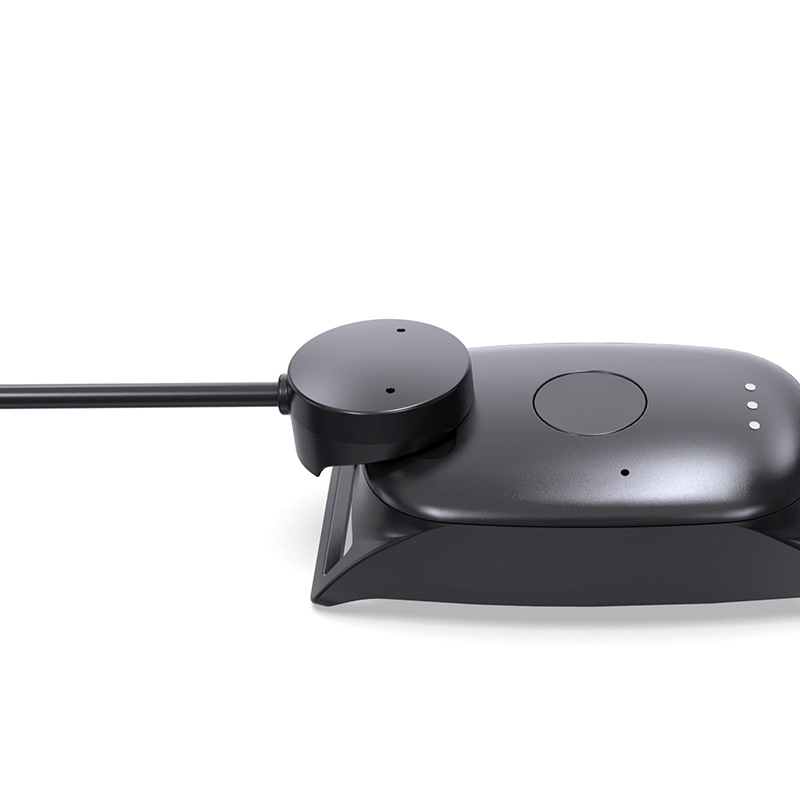
Essential Daily Care Practices
Regular Cleaning Protocols
Daily cleaning represents the foundation of effective pet GPS tracker maintenance. Remove dirt, mud, and debris that accumulate during outdoor adventures using a soft, damp cloth. Avoid harsh chemicals or abrasive materials that could damage the device casing or compromise waterproof seals. Focus particular attention on the charging ports and button areas where debris commonly accumulates and interferes with proper operation.
Establish a consistent cleaning routine aligned with your pet's activity schedule. Active dogs engaging in swimming, hiking, or playing in sandy environments require more frequent cleaning than indoor cats. Always ensure the pet GPS tracker is completely dry before reattaching to your pet's collar. Moisture trapped beneath the device can cause skin irritation while potentially damaging internal electronics over time.
Battery Monitoring and Charging
Battery health directly impacts your pet GPS tracker's reliability and overall lifespan. Monitor charge levels consistently and establish regular charging schedules rather than waiting for low battery warnings. Lithium-ion batteries perform optimally when maintained between twenty and eighty percent charge levels. Allowing complete battery depletion can permanently reduce capacity and shorten device longevity.
Implement smart charging practices by using only manufacturer-approved charging cables and adapters. Third-party chargers may deliver inconsistent power levels that gradually damage battery cells. Store backup charging equipment in multiple locations including your vehicle, workplace, and travel bags. This ensures your pet GPS tracker remains operational during extended outings or unexpected situations requiring immediate tracking capabilities.
Weather Protection and Environmental Safeguards
Waterproofing Maintenance
Most quality pet GPS tracker models feature robust waterproof ratings, but seals and gaskets require periodic inspection and maintenance. Examine rubber seals around charging ports and button mechanisms for signs of wear, cracking, or debris accumulation. Replace damaged seals promptly to maintain waterproof integrity. Even minor seal compromises can allow moisture infiltration leading to catastrophic internal damage.
Test waterproof functionality periodically using controlled exposure methods. Briefly submerge the device in shallow water while monitoring for bubble formation or moisture penetration. Perform these tests only when absolutely necessary and follow manufacturer guidelines. Remember that waterproof ratings can degrade over time, particularly with frequent exposure to saltwater, chlorinated pools, or extreme temperature variations.
Temperature and Storage Considerations
Extreme temperatures pose significant risks to pet GPS tracker electronics and battery performance. Avoid exposing devices to temperatures exceeding manufacturer specifications, typically ranging from negative ten to positive fifty degrees Celsius. During winter months, consider using insulated collar covers or removing trackers during extended cold exposure. Similarly, prevent overheating by providing shade during summer activities and avoiding placement in direct sunlight for prolonged periods.
Proper storage practices become crucial during periods when your pet GPS tracker remains unused. Store devices in cool, dry environments away from direct sunlight and humidity sources. Maintain partial battery charge during storage periods and perform monthly power cycles to prevent battery degradation. Climate-controlled environments provide optimal storage conditions that preserve electronic components and extend overall device lifespan.
Software Updates and Technical Maintenance
Firmware Management
Regular firmware updates ensure your pet GPS tracker operates with the latest features, security patches, and performance optimizations. Enable automatic update notifications through the companion mobile application and install updates promptly when available. Outdated firmware can compromise tracking accuracy, battery efficiency, and connectivity reliability while potentially creating security vulnerabilities.
Document firmware version numbers and update histories to track device evolution and troubleshoot potential issues. Some pet GPS tracker models require manual firmware installation through computer connections or specialized update procedures. Follow manufacturer instructions precisely during update processes and never interrupt updates in progress, as this can cause permanent device damage requiring professional repair or replacement.
Connectivity and Signal Optimization
Maintaining strong cellular and GPS signal connections requires periodic attention to antenna positioning and environmental factors. Ensure the pet GPS tracker remains properly oriented on your pet's collar with antennas facing upward when possible. Thick fur, metal collar components, or improper positioning can significantly impact signal strength and tracking accuracy.
Monitor signal quality indicators within the companion application and address connectivity issues promptly. Poor signal areas may require adjustment of update intervals or positioning modifications. Regular signal testing in various locations helps identify optimal placement configurations for your specific pet and living environment. Document areas with consistently poor coverage to inform future tracking strategies and emergency preparedness plans.
Physical Inspection and Preventive Maintenance
Collar Attachment and Security
Secure attachment mechanisms prevent pet GPS tracker loss while ensuring comfortable wear for your companion. Inspect mounting hardware regularly for signs of wear, loosening, or damage. Tighten screws and fasteners as needed, but avoid over-tightening that could crack plastic housings or damage threads. Replace worn attachment components before they fail completely.
Evaluate collar fit and pet GPS tracker positioning periodically as pets grow or change weight. Collars that become too tight can cause discomfort and health issues, while loose collars increase loss risk. Ensure adequate space for normal breathing and movement while maintaining secure attachment. Consider seasonal adjustments for pets with varying fur thickness throughout the year.
Component Wear Assessment
Regular inspection of buttons, ports, and external components helps identify potential issues before they cause complete failure. Test all button functions periodically and clean contact surfaces to prevent dirt accumulation. Examine the device housing for cracks, chips, or other damage that could compromise internal protection. Address minor cosmetic damage promptly to prevent progression into functional problems.
Monitor LED indicators and display screens for proper operation and clarity. Dim or flickering displays may indicate battery issues or internal component degradation. Document any changes in device behavior, unusual sounds, or visual abnormalities to provide comprehensive information during warranty claims or technical support interactions. Early detection of component wear enables proactive maintenance and extends pet GPS tracker service life.
Troubleshooting and Performance Optimization
Common Issue Resolution
Understanding typical pet GPS tracker problems and their solutions enables quick resolution and prevents minor issues from becoming major failures. Battery drain problems often stem from excessive update frequency, poor cellular coverage, or background application conflicts. Adjust update intervals based on your specific tracking needs and local coverage conditions to optimize battery performance.
Location accuracy issues may result from GPS signal interference, device positioning problems, or outdated map data. Perform regular accuracy tests by comparing pet GPS tracker readings with known locations using the companion application. Reset GPS calibration when significant discrepancies occur and contact technical support for persistent accuracy problems that resist standard troubleshooting measures.
Performance Enhancement Strategies
Optimizing pet GPS tracker performance involves balancing tracking accuracy with battery conservation and system reliability. Customize update frequencies based on your pet's activity patterns and your monitoring needs. Active outdoor pets may require more frequent updates, while indoor cats need less intensive monitoring that preserves battery life and reduces cellular data consumption.
Leverage advanced features like geofencing and activity monitoring to enhance overall tracking effectiveness while maintaining device longevity. Properly configured geofences reduce unnecessary location updates while providing immediate alerts when pets venture beyond safe boundaries. Regular review and adjustment of these settings ensures optimal balance between functionality and device preservation for long-term reliable operation.
Professional Maintenance and Support Resources
Warranty and Service Options
Understanding warranty coverage and professional service options provides essential support for complex pet GPS tracker maintenance needs. Review warranty terms carefully to understand covered components, service procedures, and exclusions. Many manufacturers offer extended warranty programs that provide additional protection against defects and premature failure beyond standard coverage periods.
Establish relationships with authorized service centers and technical support resources before issues arise. Document purchase dates, serial numbers, and warranty information in easily accessible locations. Maintain records of all maintenance activities, firmware updates, and any problems encountered to provide comprehensive history during warranty claims or technical support interactions requiring detailed device information.
Replacement and Upgrade Planning
Even with excellent maintenance practices, all pet GPS tracker devices eventually require replacement due to technological advancement or component aging. Monitor device performance indicators and plan replacement timing based on battery degradation, feature obsolescence, or reliability concerns. Upgrading proactively ensures continuous protection while taking advantage of improved features and enhanced reliability.
Research emerging pet GPS tracker technologies and features to make informed upgrade decisions when replacement becomes necessary. Consider factors like improved battery life, enhanced waterproofing, advanced health monitoring capabilities, or superior cellular connectivity. Planning replacement timing allows for careful evaluation of options rather than emergency purchases that may not meet specific requirements or budget constraints.
FAQ
How often should I clean my pet GPS tracker?
Clean your pet GPS tracker daily if your pet is highly active outdoors, or every few days for less active indoor pets. Use a soft, damp cloth to remove dirt and debris, paying special attention to charging ports and buttons. Always ensure the device is completely dry before reattaching to prevent moisture-related damage or skin irritation.
What should I do if my pet GPS tracker gets completely soaked?
Most quality pet GPS tracker models feature waterproof ratings, but if water exposure exceeds specifications, immediately power down the device and remove it from your pet. Dry all external surfaces thoroughly and allow the device to air dry in a warm, dry location for at least 24 hours before attempting to power on or charge.
How can I maximize my pet GPS tracker battery life?
Optimize battery life by adjusting update frequency based on your needs, maintaining charge levels between 20-80%, and using only manufacturer-approved chargers. Avoid complete battery depletion and store the device in moderate temperatures. Regular firmware updates also include battery optimization improvements that can extend operational time between charges.
When should I consider replacing my pet GPS tracker?
Consider replacement when battery life significantly decreases despite proper maintenance, when the device frequently loses signal or provides inaccurate locations, or when physical damage compromises waterproof seals. Additionally, upgrade when newer models offer substantially improved features that enhance your pet's safety and your peace of mind.


 Office:29th Floor,Changjiang Center, Renmin Road, Longhua, Shenzhen.
 Factory: 201# Building 1A, Nankechuang Yuangu, Gaofeng Road, Longhua, Shenzhen.
 +86 15899795842
