
How Can Dog Trackers Improve Outdoor Safety for Active Pets?
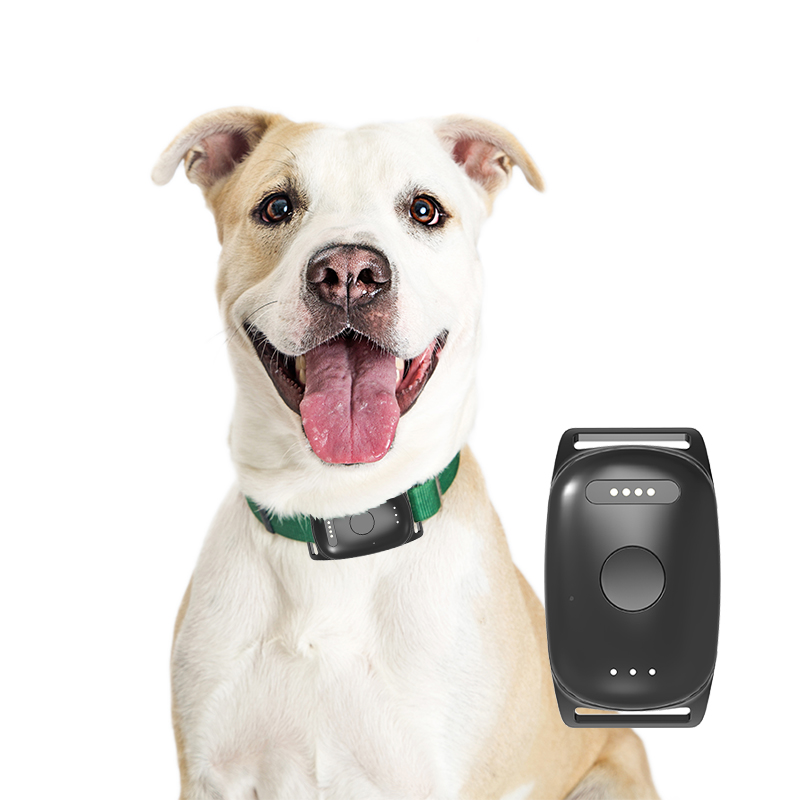
Active dogs love exploring the great outdoors, but their adventurous spirit can sometimes lead them into dangerous situations. Modern dog trackers have revolutionized pet safety by providing real-time location monitoring and peace of mind for pet owners. These innovative devices combine GPS technology with smart features to ensure that your furry companion stays safe during outdoor adventures, hiking trips, and daily walks in unfamiliar territories.
The importance of pet safety cannot be overstated, especially for active dogs who frequently venture into parks, forests, and camping areas. Traditional methods of pet identification, such as collars with tags, often prove inadequate when dogs wander far from their owners or get lost in challenging terrain. Advanced tracking technology has emerged as the most reliable solution for maintaining constant contact with pets during outdoor activities.
Advanced GPS Technology for Real-Time Pet Monitoring
Precision Location Tracking Systems
Modern dog trackers utilize sophisticated GPS satellites to provide accurate location data within meters of your pet's actual position. The technology works by connecting to multiple satellite networks, ensuring consistent signal reception even in dense forest areas or mountainous regions. This precision becomes crucial when pets explore vast outdoor spaces where visual contact might be temporarily lost.
The real-time aspect of GPS tracking means that pet owners receive instant updates about their dog's location through smartphone applications. These systems update location data every few seconds, creating a continuous monitoring experience that traditional methods simply cannot match. The accuracy of modern GPS systems has improved significantly, making them reliable tools for outdoor safety management.
Integration with Mobile Applications
Smartphone integration represents a major advancement in pet tracking technology. Dedicated mobile applications allow pet owners to monitor their dog's location from anywhere with cellular coverage. These apps typically display real-time maps, location history, and movement patterns, providing comprehensive insights into pet behavior during outdoor adventures.
The user-friendly interfaces of these applications make it easy for pet owners of all technical skill levels to monitor their pets effectively. Push notifications alert owners immediately when their dog moves beyond designated safe zones, enabling quick response to potential safety situations. The seamless integration between tracking devices and mobile technology has made pet monitoring more accessible than ever before.
Geofencing Technology for Enhanced Security
Creating Virtual Boundaries
Geofencing technology allows pet owners to establish virtual boundaries around specific areas, such as campsites, parks, or hiking trails. When equipped with dog trackers, pets trigger automatic alerts if they venture beyond these predetermined safe zones. This proactive approach to pet safety helps prevent dangerous situations before they escalate into serious problems.
The flexibility of geofencing systems allows pet owners to adjust boundary sizes and shapes based on specific outdoor environments. Whether exploring a small woodland area or a large national park, these virtual fences can be customized to match the terrain and activity level. This adaptability makes geofencing an invaluable tool for maintaining pet safety across diverse outdoor settings.
Instant Alert Systems
When pets cross established geofence boundaries, tracking systems immediately send notifications to owners' smartphones. These alerts include precise location coordinates, time stamps, and directional information to help owners locate their pets quickly. The instant nature of these notifications can mean the difference between a minor scare and a serious emergency situation.
Advanced alert systems can differentiate between normal movement patterns and potentially dangerous situations. Machine learning algorithms analyze pet behavior over time, reducing false alarms while maintaining high sensitivity to genuine safety concerns. This intelligent approach ensures that owners receive meaningful alerts without being overwhelmed by unnecessary notifications.
Weather Resistance and Durability Features
Waterproof Construction Standards
Outdoor activities expose pets and their tracking devices to various weather conditions, making durability a critical factor in device selection. High-quality dog trackers feature waterproof construction that protects internal electronics from rain, snow, and water crossings during hiking adventures. These devices typically meet or exceed IP67 waterproof standards, ensuring reliable operation in challenging outdoor environments.
The waterproof design extends beyond basic water resistance to include protection against dust, dirt, and debris commonly encountered during outdoor activities. This comprehensive environmental protection ensures that tracking devices continue functioning regardless of weather conditions or terrain challenges. Pet owners can confidently take their dogs on adventures knowing their tracking equipment will perform reliably.
Impact Resistant Materials
Active dogs often encounter obstacles, vegetation, and rough terrain that can damage sensitive electronic equipment. Modern tracking devices incorporate impact-resistant materials and shock-absorbing designs to withstand the physical demands of outdoor adventures. These rugged construction methods ensure that devices remain functional even after encounters with rocks, branches, or other environmental hazards.
The durability testing process for quality dog trackers includes drop tests, vibration resistance evaluations, and long-term wear assessments. Manufacturers design these devices to handle the dynamic movements and occasional rough treatment that active pets naturally subject their equipment to. This robust construction translates into reliable performance and extended device lifespan.
Battery Life and Power Management
Extended Operation Capabilities
Long battery life represents one of the most important features for outdoor tracking applications. Premium dog trackers utilize advanced battery technology and power management systems to provide days or weeks of continuous operation on a single charge. This extended battery life ensures that tracking capabilities remain active throughout extended camping trips, hiking expeditions, and multi-day outdoor adventures.
Power management systems automatically adjust tracking frequency and communication intervals based on activity levels and remaining battery capacity. During periods of low activity, devices enter power-saving modes that extend operation time while maintaining essential safety functions. These intelligent power management features help maximize tracking availability when it matters most.
Charging and Maintenance Solutions
Modern tracking devices feature convenient charging solutions that accommodate outdoor lifestyles. USB charging capabilities allow pet owners to recharge devices using portable power banks, vehicle chargers, or solar charging systems during extended outdoor trips. Some advanced models include wireless charging options that eliminate the need for physical connections and reduce wear on charging ports.
Low battery alerts provide advance warning when charging becomes necessary, preventing unexpected device shutdowns during critical monitoring periods. These proactive notifications typically activate when battery levels reach 20-30% capacity, providing sufficient time to locate charging facilities or implement backup monitoring strategies. Regular maintenance requirements remain minimal, making these devices practical for busy outdoor enthusiasts.
Emergency Response and Communication Features
Two-Way Communication Systems
Advanced dog trackers incorporate two-way communication features that allow pet owners to interact with their pets remotely. These systems can include audio playback capabilities that let owners call their pets using familiar voice commands recorded on their smartphones. The ability to communicate directly with pets can help guide them back to safety or calm them during stressful situations.
Some tracking systems integrate with emergency response networks, automatically notifying local authorities or pet recovery services when pets go missing for extended periods. These professional networks have experience locating lost pets and can coordinate search efforts more effectively than individual pet owners working alone. The integration of professional services significantly improves the chances of successful pet recovery.
Location Sharing Capabilities
Modern tracking systems allow pet owners to share location information with family members, friends, or emergency contacts. This collaborative approach to pet safety ensures that multiple people can assist in monitoring and recovery efforts if needed. Location sharing features become particularly valuable during group outdoor activities where multiple people have responsibility for pet safety.
Emergency contact integration automatically sends location updates to designated individuals when pets trigger safety alerts. These contacts receive the same real-time information as primary pet owners, enabling coordinated response efforts. The ability to involve trusted contacts in pet safety monitoring provides additional security layers for outdoor adventures.
Training and Behavioral Benefits
Activity Monitoring and Health Tracking
Beyond safety applications, dog trackers provide valuable insights into pet activity levels, exercise patterns, and overall health indicators. These monitoring capabilities help pet owners ensure their dogs receive appropriate exercise during outdoor activities while avoiding overexertion in challenging conditions. Activity data can reveal changes in behavior that might indicate health issues or environmental stress.
Historical activity tracking allows pet owners to identify optimal exercise routines and preferred outdoor environments for their dogs. This information helps in planning future outdoor adventures that maximize enjoyment while maintaining safety standards. The data-driven approach to pet care represents a significant advancement over traditional observation-based methods.
Behavioral Pattern Recognition
Advanced tracking systems learn individual pet behavioral patterns over time, creating personalized safety profiles for each dog. These systems can identify normal exploration patterns versus potentially dangerous wandering behavior, providing more accurate safety assessments. Pattern recognition technology reduces false alarms while improving the detection of genuine safety concerns.
The behavioral data collected by tracking devices helps pet owners understand their dogs' preferences, stress indicators, and optimal outdoor conditions. This knowledge enables better decision-making regarding outdoor activities, route selection, and safety precautions. Understanding pet behavior through technology creates stronger bonds between owners and their dogs while enhancing safety outcomes.
FAQ
How accurate are GPS dog trackers in dense forest areas
GPS dog trackers typically maintain accuracy within 3-5 meters even in dense forest environments, though signal strength may vary depending on canopy thickness. Modern devices use multiple satellite systems and assisted GPS technology to improve performance in challenging conditions. While accuracy might decrease slightly in extremely dense vegetation, the tracking remains sufficient for effective pet monitoring and recovery operations.
What is the typical battery life for outdoor tracking devices
Battery life for quality dog trackers ranges from 5-14 days depending on tracking frequency, communication intervals, and usage patterns. Devices with power-saving modes can extend operation time significantly during low-activity periods. Most modern trackers provide low battery warnings 1-2 days before complete discharge, giving owners adequate time to recharge devices during outdoor adventures.
Can tracking devices work without cellular coverage
Dog trackers require cellular coverage to transmit location data to smartphones in real-time. However, many devices store location history locally and upload data when cellular coverage becomes available. Some advanced models offer satellite communication options for remote areas, though these typically come with higher operational costs and may have slower update frequencies.
Are tracking collars safe and comfortable for active dogs
Modern tracking collars are designed with pet comfort and safety as primary considerations. They use lightweight materials, ergonomic designs, and adjustable straps to ensure proper fit without restricting movement or causing discomfort. Quality devices undergo extensive testing to ensure they meet safety standards for active pets, and most dogs adapt to wearing tracking collars within a few days of introduction.


 Office:29th Floor,Changjiang Center, Renmin Road, Longhua, Shenzhen.
 Factory: 201# Building 1A, Nankechuang Yuangu, Gaofeng Road, Longhua, Shenzhen.
 +86 15899795842
