
Why Are GPS Dog Trackers Essential for Busy Pet Owners?
Modern pet owners face an increasingly challenging balancing act between demanding work schedules, personal commitments, and ensuring their beloved furry companions remain safe and secure. For busy professionals, entrepreneurs, and working families, traditional methods of pet supervision often fall short of providing the peace of mind needed when juggling multiple responsibilities. GPS dog trackers have emerged as a revolutionary solution that bridges this gap, offering real-time monitoring capabilities that transform how pet owners approach animal safety and care management.
The pet care industry has witnessed a technological revolution over the past decade, with smart devices becoming integral components of responsible pet ownership. These innovative tracking systems leverage advanced satellite technology, cellular networks, and sophisticated mobile applications to provide unprecedented visibility into pet location and activity patterns. Professional veterinarians and animal behaviorists consistently recommend GPS tracking solutions for pet owners who struggle to maintain constant supervision due to work obligations or lifestyle constraints.
Understanding Modern GPS Tracking Technology for Pets
Satellite-Based Location Systems
Contemporary GPS dog trackers utilize multiple satellite constellations to deliver precise location data with remarkable accuracy. These systems connect to GPS, GLONASS, and Galileo satellites simultaneously, ensuring consistent signal reception even in challenging environments such as dense urban areas or heavily wooded regions. The triangulation process occurs within seconds, providing pet owners with real-time coordinates that can be viewed through dedicated smartphone applications or web-based platforms.
Advanced tracking devices incorporate sophisticated algorithms that compensate for signal interference and environmental obstacles. When satellite signals become temporarily unavailable, these systems seamlessly switch to cellular tower triangulation or WiFi positioning services to maintain continuous location monitoring. This redundancy ensures that busy pet owners never lose track of their animals, regardless of environmental conditions or geographic challenges.
Cellular Network Integration
Modern GPS dog trackers leverage 4G and 5G cellular networks to transmit location data instantly to pet owners' devices. This integration enables real-time communication between the tracking device and monitoring applications, ensuring that location updates arrive within seconds of movement detection. Cellular connectivity also supports bidirectional communication, allowing pet owners to receive automated alerts and notifications based on predetermined parameters.
The reliability of cellular-based tracking systems has improved dramatically with widespread network coverage expansion and enhanced data transmission protocols. Professional-grade tracking devices incorporate multiple cellular carrier compatibility, automatically selecting the strongest available signal to maintain consistent communication. This technological advancement proves particularly valuable for pet owners who travel frequently or live in areas with varying network coverage quality.
Essential Safety Features for Active Pet Management
Geofencing Capabilities
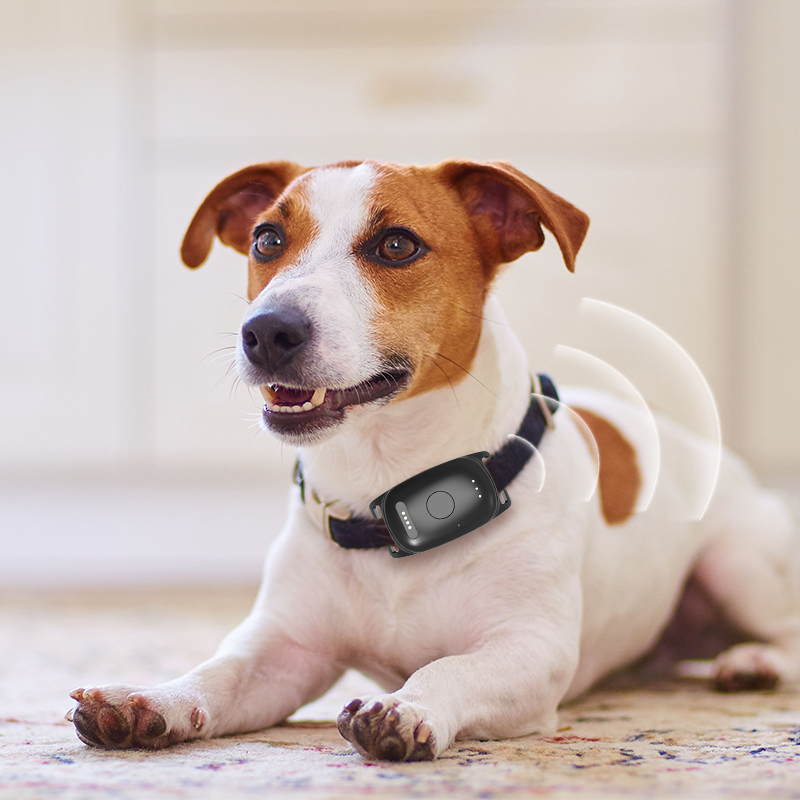
Geofencing technology represents one of the most valuable features available in contemporary GPS dog trackers, enabling pet owners to establish virtual boundaries around specific geographic areas. These customizable zones can encompass home properties, neighborhood parks, or any designated safe space where pets are permitted to roam freely. When animals cross these predetermined boundaries, tracking systems immediately generate alerts and notifications, allowing owners to respond quickly to potential escape situations.
Advanced geofencing systems support multiple zone configurations with varying alert sensitivity levels. Pet owners can establish different boundary types, including safe zones where no alerts are generated, warning zones that trigger gentle notifications, and restricted areas that immediately activate emergency protocols. This flexibility allows busy professionals to customize monitoring parameters based on their specific lifestyle requirements and pet behavior patterns.
Emergency Alert Systems
Professional-grade tracking devices incorporate sophisticated emergency notification systems that activate automatically when predetermined safety thresholds are exceeded. These systems monitor various parameters including movement patterns, location changes, and device tamper detection to identify potentially dangerous situations. When emergency conditions are detected, tracking systems simultaneously send notifications via multiple communication channels, including SMS messages, email alerts, and push notifications through dedicated mobile applications.
Emergency alert protocols can be customized to include multiple contact recipients, ensuring that pet safety information reaches family members, neighbors, or pet care professionals simultaneously. This redundancy proves particularly valuable for busy pet owners who may not immediately notice individual notifications due to work commitments or meeting schedules. Advanced systems also maintain historical alert logs, providing valuable data for analyzing pet behavior patterns and identifying potential safety concerns before they escalate into serious problems.
Behavioral Monitoring and Health Insights
Activity Tracking Integration
Modern GPS dog trackers extend beyond simple location monitoring to provide comprehensive activity and health insights that benefit both pets and owners. These devices incorporate accelerometers, gyroscopes, and motion sensors that monitor daily activity levels, exercise patterns, and sleep quality metrics. For busy pet owners who struggle to maintain consistent exercise routines with their animals, this data provides valuable feedback about pet fitness and wellbeing.
Activity monitoring features help identify changes in pet behavior that may indicate health problems or emotional stress. Sudden decreases in movement, unusual rest patterns, or significant changes in activity levels can signal underlying medical conditions that require veterinary attention. This early warning system proves particularly valuable for working professionals who spend extended periods away from home and may not immediately notice subtle changes in pet behavior through casual observation.
Historical Data Analysis
Comprehensive GPS tracking systems maintain detailed historical records of pet location and activity data, creating valuable insights into animal behavior patterns and preferences. This information helps pet owners understand their animals' favorite locations, preferred walking routes, and typical daily schedules. For busy professionals managing multiple responsibilities, this data provides essential information for optimizing pet care routines and identifying potential areas of concern.
Historical analysis capabilities also support long-term health monitoring and veterinary consultation processes. Veterinarians can review activity trends, location patterns, and behavioral changes to make more informed diagnoses and treatment recommendations. This data-driven approach to pet healthcare proves particularly beneficial for working pet owners who may not have extensive time for detailed behavioral observation and record-keeping.
Practical Applications for Working Professionals
Daily Schedule Management
GPS dog trackers provide essential support for pet owners managing demanding professional schedules by enabling remote monitoring capabilities that extend supervision throughout the workday. These systems allow busy professionals to check pet locations during meetings, lunch breaks, or travel periods without requiring physical presence at home. Real-time monitoring capabilities help identify when pets need attention, exercise, or care from designated pet sitters or family members.
Integration with smartphone applications enables seamless monitoring without disrupting professional activities or requiring dedicated monitoring time. Notification systems can be configured to send alerts only for significant events, reducing unnecessary interruptions while maintaining essential safety oversight. This balance proves crucial for professionals who need to maintain focus on work responsibilities while ensuring their pets remain safe and secure throughout the day.
Travel and Business Trip Security
For professionals who travel frequently for business or personal reasons, GPS dog trackers provide invaluable peace of mind by enabling remote pet monitoring from any location with internet connectivity. These systems allow traveling pet owners to verify that their animals remain in designated safe areas under the care of pet sitters, family members, or boarding facilities. Real-time location access helps identify potential problems quickly, enabling prompt intervention even from distant locations.
Advanced tracking systems support international connectivity, allowing pet owners to maintain monitoring capabilities regardless of their travel destinations. Cloud-based data storage ensures that location information remains accessible through various devices and platforms, providing flexibility for different travel scenarios and technology preferences. This capability proves particularly valuable for professionals whose work requires extended travel periods or international assignments.
Technology Integration and Smart Home Compatibility
Mobile Application Features
Contemporary GPS dog trackers integrate seamlessly with sophisticated mobile applications that provide comprehensive pet management capabilities beyond basic location monitoring. These applications typically include features such as veterinary appointment scheduling, medication reminders, feeding schedule tracking, and emergency contact management. For busy pet owners juggling multiple responsibilities, centralized pet management through a single application streamlines daily care routines and reduces the likelihood of overlooking important pet care tasks.
Mobile applications also support social sharing features that allow pet owners to share location updates, photos, and activity achievements with family members or friends. This functionality proves particularly valuable for families with multiple caregivers or pet owners who want to keep distant relatives informed about pet wellbeing. Advanced applications include integration with popular social media platforms, enabling easy sharing of pet adventures and milestones.
Smart Home Device Integration
Professional-grade GPS tracking systems increasingly support integration with popular smart home ecosystems, including Amazon Alexa, Google Assistant, and Apple HomeKit platforms. This integration enables voice-activated location queries, automated home security responses based on pet location, and seamless coordination with other smart home devices such as automatic feeders, water dispensers, and climate control systems.
Smart home integration also supports advanced automation scenarios where pet location data triggers specific household responses. For example, tracking systems can automatically unlock pet doors when animals approach home boundaries, adjust indoor temperature settings based on pet presence, or activate security cameras when pets enter specific areas. These automated responses help busy pet owners maintain optimal home environments without requiring constant manual intervention or monitoring.
Cost-Effectiveness and Long-Term Value
Investment Analysis
The financial investment required for professional-grade GPS dog trackers represents significant long-term value when compared to potential costs associated with lost pet recovery, emergency veterinary care, or professional pet sitting services. Industry studies indicate that pet owners who utilize GPS tracking systems experience substantially lower costs related to pet emergencies and recovery efforts. The peace of mind provided by continuous monitoring often justifies the initial device cost and ongoing service fees.
Monthly service fees for GPS tracking typically range from reasonable subscription costs that include cellular connectivity, data storage, and application access. When compared to potential expenses associated with professional pet care services, emergency search efforts, or veterinary bills resulting from unsupervised incidents, GPS tracking systems provide excellent return on investment. Many pet insurance companies also offer discounts for owners who utilize GPS tracking systems, further enhancing the financial benefits.
Preventive Care Benefits
GPS tracking systems contribute to preventive pet care by enabling early identification of health issues, behavioral changes, and potential safety hazards. Early detection capabilities help pet owners address problems before they escalate into expensive emergency situations requiring intensive veterinary intervention. Activity monitoring features support proactive health management by identifying exercise deficiencies or unusual behavioral patterns that may indicate underlying medical conditions.
The data collected by GPS tracking systems also supports more efficient veterinary consultations by providing objective information about pet activity levels, location preferences, and behavioral patterns. Veterinarians can use this information to make more accurate diagnoses and develop targeted treatment plans, potentially reducing the number of appointments required and improving overall treatment effectiveness. This efficiency proves particularly valuable for busy pet owners who have limited time for extensive veterinary visits.
FAQ
How accurate are GPS dog trackers in urban environments
Modern GPS dog trackers typically provide location accuracy within 3-5 meters in urban environments, with professional-grade devices achieving even higher precision through multi-constellation satellite integration. Urban challenges such as tall buildings and signal interference are mitigated through advanced algorithms and cellular network backup systems that maintain consistent tracking performance throughout metropolitan areas.
What battery life can pet owners expect from GPS tracking devices
Battery life varies significantly based on device specifications, usage patterns, and tracking frequency settings. Most professional GPS dog trackers provide 2-7 days of continuous operation with standard tracking intervals, while power-saving modes can extend battery life to 2-3 weeks. Advanced devices include fast-charging capabilities and low-battery notifications to ensure continuous monitoring without service interruptions.
Are GPS dog trackers waterproof and suitable for active pets
Quality GPS tracking devices feature robust waterproof construction with IPX7 or IPX8 ratings that protect against water submersion, rain, and swimming activities. These devices are specifically designed to withstand the active lifestyle of dogs including running, playing, and outdoor adventures while maintaining full functionality and signal transmission capabilities.
How do GPS trackers work in areas with poor cellular coverage
Advanced GPS dog trackers incorporate multiple connectivity options including satellite communication, WiFi positioning, and data caching capabilities that maintain tracking functionality even in areas with limited cellular coverage. When cellular signals return, cached location data is automatically transmitted to provide complete tracking history without gaps in monitoring coverage.


 Office:29th Floor,Changjiang Center, Renmin Road, Longhua, Shenzhen.
 Factory: 201# Building 1A, Nankechuang Yuangu, Gaofeng Road, Longhua, Shenzhen.
 +86 15899795842
