
How Can a waterproof gps locator Track Pets Through Rain and Mud?
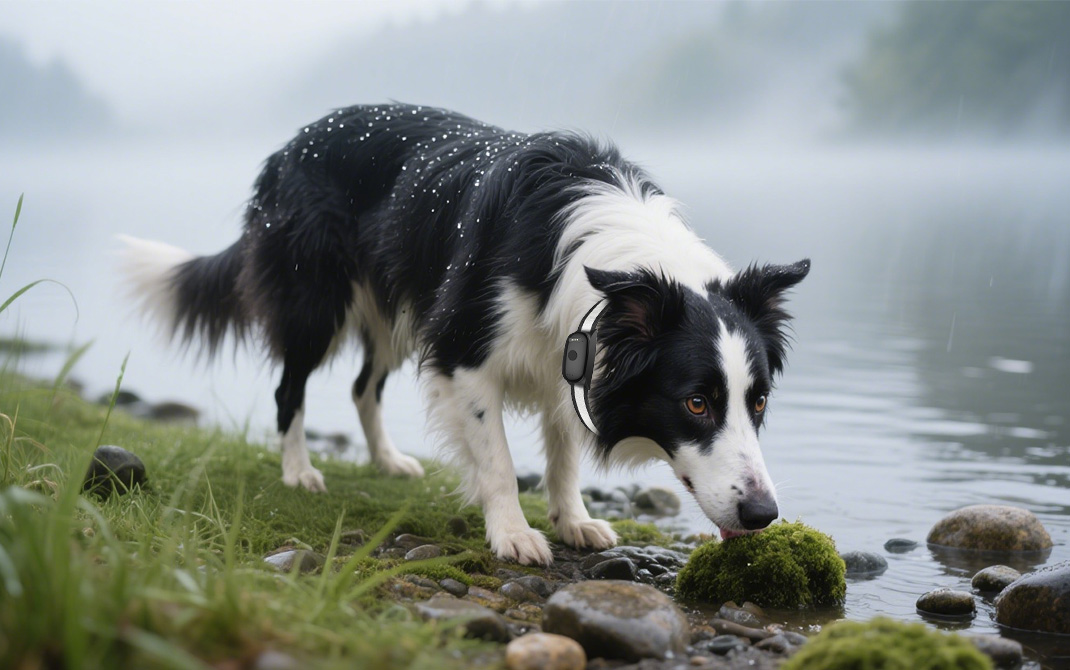
When the weather turns rough and your dog bolts through a muddy field or your cat disappears into the rain, the last thing you want is a tracking device that fails under pressure. A waterproof gps locator is specifically engineered to remain fully operational in exactly these conditions, delivering continuous, real-time location data regardless of rainfall intensity, muddy terrain, or wet outdoor environments. Understanding how this technology works in adverse weather is essential for any pet owner who takes their animals outdoors regularly.
The core question many pet owners ask is whether a waterproof gps locator can genuinely maintain tracking accuracy when conditions are wet, muddy, and challenging. The answer is yes — but only when the device is properly designed with weather-resistant hardware, reliable signal processing, and a durable physical casing. This article breaks down the specific mechanisms, engineering principles, and practical considerations that allow a waterproof gps locator to perform where standard trackers would fail.
The Engineering Behind Weather-Resistant GPS Tracking
IP Ratings and Physical Waterproofing Standards
The foundation of any waterproof gps locator's rain and mud performance begins with its ingress protection rating, commonly referred to as an IP rating. This internationally recognized standard defines how well an enclosure resists the entry of solid particles like dust and mud, as well as liquids including water. For pet trackers used in outdoor conditions, a rating of at least IP65 is considered the minimum, while IP67 or IP68 ratings provide protection against full immersion.
An IP67-rated waterproof gps locator, for example, can withstand immersion in up to one meter of water for thirty minutes. This means that a dog splashing through a puddle, swimming in a shallow stream, or rolling in wet mud will not compromise the device's ability to transmit location data. The sealed casing prevents moisture from reaching the internal electronics, ensuring that the GPS antenna, cellular modem, and battery all continue operating without interruption.
Mud presents a slightly different challenge than rain because it is a combination of water, fine particles, and organic matter that can work its way into gaps over time. A properly engineered waterproof gps locator uses gaskets, sealed ports, and reinforced connection points to block this kind of ingress, maintaining both the device's electronic integrity and its ability to receive GPS signals without interference.
Antenna Design and Signal Stability in Wet Conditions
Water and mud do not directly block GPS satellite signals in the way that buildings or dense canopy do, but they can affect the antenna's ability to receive clean signals at the ground level. A high-quality waterproof gps locator incorporates an antenna system that is shielded from the physical effects of moisture while remaining geometrically optimized to capture signals from multiple satellites simultaneously.
Modern waterproof gps locator devices often use multi-constellation positioning, drawing from GPS, GLONASS, and BeiDou satellite networks at the same time. This redundancy is critical in outdoor conditions because it reduces the risk of signal dropout when one satellite network is temporarily obscured. Even if a pet is deep in a wooded area during heavy rain, the device continues triangulating position by drawing from whichever satellites are most accessible at that moment.
Additionally, the antenna in a well-built waterproof gps locator is placed strategically within the device's housing to maximize sky-facing orientation when the collar sits on the animal's neck. This design consideration directly improves tracking reliability in challenging outdoor conditions, including those involving rain, low-visibility terrain, and muddy fields where the pet may move unpredictably.
How Real-Time Data Transmission Continues in Adverse Weather
Cellular Network Connectivity and 4G LTE Reliability
A waterproof gps locator does not just collect location data — it must also transmit that data to a server and then to the pet owner's smartphone in real time. This transmission relies on cellular network coverage, which is generally not affected by rain or mud. Unlike older 2G systems that were prone to latency and coverage gaps, modern 4G LTE-based waterproof gps locator devices benefit from far greater network density and more stable data transmission speeds.
The 4G connection in a waterproof gps locator ensures that location updates are pushed to the companion app within seconds, even when the pet is moving quickly through wet terrain. This is particularly important in emergency scenarios where a pet has escaped during a storm and the owner needs to act quickly. The combination of weather-resistant hardware and fast cellular transmission means the tracking chain remains unbroken from device to owner regardless of outdoor conditions.
Some waterproof gps locator models are also designed with low-power transmission modes that activate when the pet is stationary, conserving battery life without sacrificing the ability to resume real-time updates the moment movement is detected. This intelligent power management ensures that the device remains operational throughout long outdoor sessions, including extended periods in rain or mud.
Geofence Alerts and Boundary Notifications During Storms
One of the most practical features of a waterproof gps locator in bad weather is its geofencing capability. Pet owners can define a virtual safe zone around their home, yard, or any specific area, and the device will trigger an immediate alert if the animal crosses that boundary. During thunderstorms, when pets are statistically more likely to panic and run, this feature becomes critically valuable.
The geofence in a well-designed waterproof gps locator operates independently of weather conditions because it is processed on the server side using GPS coordinates rather than relying on local environmental sensing. As long as the device maintains its GPS fix and cellular connection — both of which are engineered to survive rain and mud — the geofence alert system will function correctly.
This means a pet owner can set up a safe zone in advance, leave the animal in the yard during a rainstorm, and receive an instant notification on their phone if the pet escapes through a gap in the fence. The waterproof gps locator does the monitoring continuously, removing the need for constant manual supervision in difficult weather.
Physical Durability and Long-Term Performance in Mud
Casing Materials and Structural Resilience
Surviving mud requires more than just water resistance. A waterproof gps locator designed for active outdoor pets must also resist physical impacts, abrasion, and the corrosive effects of soil and organic matter. High-quality devices use materials such as reinforced ABS plastic, rubberized coatings, or thermoplastic polyurethane to create a casing that can withstand repeated contact with rough terrain without cracking or degrading.
The attachment mechanism of the waterproof gps locator to the collar is equally important. If the mounting system loosens in wet conditions or fails under the pressure of an active dog running through undergrowth, the entire tracking solution becomes unreliable. Devices that use secure clip systems, adjustable mounts, or integrated collar designs maintain their position on the animal even during energetic outdoor activity in adverse weather.
Long-term exposure to mud also means the device must be cleanable. A properly designed waterproof gps locator can be rinsed under running water after outdoor sessions without risk of water ingress, allowing pet owners to maintain the device in good working condition even after heavy use in muddy environments.
Battery Performance in Cold and Wet Environments
Battery performance is a critical but often overlooked aspect of how a waterproof gps locator performs in rain and mud. Lithium-ion batteries, which power most consumer GPS trackers, are known to lose capacity at low temperatures. In cold rainy conditions, this effect can reduce tracking duration significantly if the device is not designed to compensate for thermal performance loss.
Premium waterproof gps locator models address this with thermally insulated battery compartments, low-temperature optimized charging circuits, and efficient firmware that reduces power draw during periods of low activity. The goal is to maintain the longest possible tracking window even when outdoor temperatures drop during extended rain events.
A waterproof gps locator with a well-managed battery system can typically provide between 24 and 72 hours of continuous tracking depending on the update frequency selected. This window is more than sufficient for most outdoor scenarios, including extended hikes in wet weather, farm environments, or multi-day camping trips where a pet might encounter mud and rain repeatedly.
Practical Usage Scenarios Where Waterproofing Matters Most
Dogs With High Outdoor Activity Levels
Working dogs, hunting dogs, and high-energy breeds that spend large amounts of time outdoors present the most demanding use case for a waterproof gps locator. These animals frequently encounter rain, streams, muddy fields, and dense vegetation — all conditions that would disable a non-waterproof tracker within hours. For their owners, the waterproof gps locator is not a luxury accessory but a functional safety tool.
In hunting scenarios, a dog may range hundreds of meters from the handler while tracking through wet brush and muddy terrain. The waterproof gps locator allows the hunter to monitor the animal's position in real time on a smartphone or dedicated app, reducing the risk of losing the dog in low-visibility conditions. The continuous location feed also helps owners understand their dog's movement patterns and respond quickly if the animal becomes injured or disoriented.
For pet owners with large yards or rural properties, the waterproof gps locator provides ongoing peace of mind regardless of weather. Knowing that the device will continue transmitting accurate location data through a morning rain shower or an unexpected afternoon storm allows owners to give their dogs the outdoor freedom they need without constant supervision.
Cats in Outdoor and Semi-Rural Environments
Cats present a unique tracking challenge because they are smaller, more agile, and often less predictable in their movement patterns than dogs. For outdoor cats that roam semi-rural or suburban environments, a waterproof gps locator is equally important because these animals frequently hide in wet vegetation, under vehicles, or in drainage areas during and after rain.
A lightweight waterproof gps locator designed for cats must balance physical durability with a low enough weight profile to be comfortable on the animal. The best devices for cats combine IP67-level waterproofing with a compact form factor and a secure collar attachment that will not snag on branches or fences as the animal moves through its territory in wet conditions.
The ability of a waterproof gps locator to continue functioning after a cat has been out in heavy rain, walked through wet grass, or sheltered under dripping foliage is what separates purpose-built pet trackers from generic consumer electronics that happen to carry a GPS chip. Dedicated waterproofing engineering is what makes the difference in real-world conditions.
FAQ
Can a waterproof gps locator maintain accuracy during heavy rainfall?
Yes. Rain does not significantly interfere with GPS satellite signals, and a properly rated waterproof gps locator uses sealed electronics that continue operating normally in heavy rain. The device's position accuracy is determined by satellite geometry and signal strength rather than surface weather conditions, so tracking precision remains consistent in wet environments.
How do I know if a waterproof gps locator is truly waterproof and not just water-resistant?
Look for a specific IP rating on the product specifications. An IP65 rating means the device resists water jets, while IP67 means it can be submerged up to one meter for thirty minutes, and IP68 indicates deeper or longer submersion capability. A waterproof gps locator marketed for outdoor pets should carry at least an IP67 rating to reliably handle rain, mud, and water exposure during active use.
Does mud affect the GPS signal of a waterproof gps locator?
Mud on the surface of the device does not block GPS satellite signals because those signals travel through the air above the animal, not through the ground. However, if mud builds up heavily around the antenna area and the device is pressed directly into wet soil, there may be a minor reduction in signal quality. Rinsing the waterproof gps locator after muddy outings ensures consistent antenna performance over time.
How long does the battery last on a waterproof gps locator used in outdoor conditions?
Battery life on a waterproof gps locator varies by model and update frequency settings. Most devices offer between 24 and 72 hours of continuous use at standard tracking intervals. In cold or wet outdoor conditions, battery efficiency may decrease slightly, so it is recommended to charge the device fully before extended outdoor sessions and to use adaptive tracking modes that reduce update frequency when the pet is stationary.


 Office:29th Floor,Changjiang Center, Renmin Road, Longhua, Shenzhen.
 Factory: 201# Building 1A, Nankechuang Yuangu, Gaofeng Road, Longhua, Shenzhen.
 +86 15899795842
