
How to Select a Pet GPS for Cats, Dogs, or Other Animals?
Choosing the right pet GPS tracker requires careful consideration of your pet's unique needs, behavioral patterns, and your lifestyle as a pet owner. Whether you have an adventurous dog that loves to explore, an indoor-outdoor cat with wandering tendencies, or even a smaller animal like a rabbit or ferret, understanding how to evaluate pet GPS devices ensures you invest in technology that truly protects your companion. The selection process involves analyzing tracking accuracy, battery performance, size and weight suitability, durability standards, subscription requirements, and feature sets that align with your specific monitoring goals. This comprehensive guide walks you through the critical decision factors, helping you navigate technical specifications and real-world performance considerations to find the optimal pet GPS solution for your household.
The market offers numerous pet GPS options with varying capabilities, making it essential to approach your selection systematically rather than choosing based on price alone or marketing claims. A quality pet GPS system functions as a safety net for those unexpected moments when your pet slips through a gate, chases a squirrel beyond familiar territory, or simply satisfies their curiosity by venturing farther than usual. The right device provides peace of mind through reliable location data, timely alerts, and user-friendly interfaces that make monitoring effortless. By understanding what differentiates basic trackers from advanced monitoring systems, you can match device capabilities to your pet's specific risk profile and your monitoring preferences, ensuring the technology serves its protective purpose effectively without creating unnecessary complexity or ongoing frustration.
Understanding Your Pet's Specific Tracking Needs
Assessing Pet Size and Physical Characteristics
The physical dimensions and weight of your pet fundamentally determine which pet GPS devices will function comfortably and safely. For large dogs weighing over 40 pounds, most standard pet GPS trackers work well since the device size represents a negligible proportion of their body mass. However, for cats, small dog breeds under 15 pounds, or exotic pets, device weight becomes critical. A tracker that seems compact for a Labrador may prove burdensome for a Siamese cat or a Yorkshire Terrier. Manufacturers typically specify minimum weight recommendations, but you should also consider your individual pet's build and tolerance for wearing accessories.
Beyond weight considerations, attachment methods vary significantly across pet GPS models. Collar-mounted trackers offer the most common solution, integrating directly into your pet's existing collar or providing a proprietary collar system. These work excellently for dogs accustomed to wearing collars regularly. Cats present unique challenges since many feline owners prefer breakaway collars for safety reasons, potentially causing tracker loss if the collar releases. Some pet GPS systems address this through harness-compatible designs or specialized cat collars with controlled breakaway mechanisms that balance safety with tracker retention. Evaluating how your pet currently tolerates collars, harnesses, or tags helps predict their acceptance of a GPS device.
Identifying Behavioral Patterns and Escape Risks
Understanding your pet's typical behavior patterns directly influences which pet GPS features matter most for your situation. Dogs with high prey drive that frequently chase wildlife require trackers with extended range capabilities and rapid position updates to maintain accurate tracking during fast movement. Pets that tend to stay within familiar territory but occasionally wander slightly beyond visual range may function well with basic geofencing alerts and moderate update frequencies. Escape artists who actively seek opportunities to leave your property demand robust alert systems with immediate notifications and precise location accuracy to enable quick recovery.
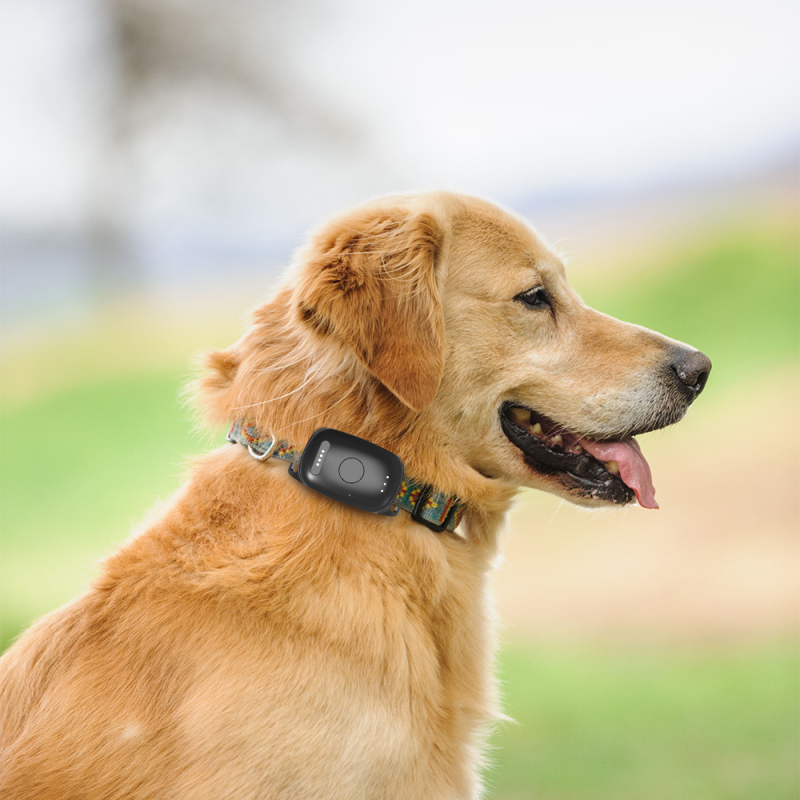
Activity levels also impact device selection significantly. Highly active pets running, swimming, or engaging in vigorous play need rugged pet GPS devices with strong waterproofing ratings and shock resistance. Sedentary pets primarily living indoors with supervised outdoor time may prioritize battery longevity over extreme durability. Consider documented escape incidents from your pet's history—has your pet ever been lost, and under what circumstances? Pets with previous escape experiences often exhibit patterns worth analyzing. A dog that bolted during a thunderstorm needs a pet GPS with reliable indoor tracking capabilities, while a cat that disappeared after a move benefits from extended battery life allowing days of continuous tracking during the critical adjustment period.
Evaluating Your Monitoring Requirements
Your personal monitoring preferences and lifestyle constraints shape which pet GPS system integrates most smoothly into your routine. Pet owners who work from home and can respond immediately to alerts may prioritize real-time tracking accuracy over extended battery life. Conversely, professionals with limited daytime availability might prefer devices offering multi-day battery performance with scheduled position updates rather than continuous real-time tracking that drains power quickly. Consider whether you need tracking primarily for emergency situations or desire continuous awareness of your pet's location and activity patterns throughout the day.
Multi-pet households introduce additional complexity requiring careful feature evaluation. Some pet GPS platforms support multiple trackers under a single subscription with unified dashboard views, while others charge per device. If you have both cats and dogs or multiple pets with different monitoring needs, systems offering customizable settings per tracker provide greater flexibility. Think about whether family members need access to tracking information—devices with multi-user app support allow parents, children, or pet sitters to monitor locations simultaneously. Your technical comfort level matters too; simpler interfaces suit users wanting straightforward location checks, while data-rich platforms appeal to those interested in detailed activity analytics, health insights, and historical movement patterns.
Evaluating Core Technology and Performance Features
GPS Accuracy and Positioning Technology
The fundamental purpose of any pet GPS system centers on accurate location determination, making positioning technology the most critical specification to evaluate. Modern pet GPS devices typically combine multiple positioning methods including GPS satellites, cellular tower triangulation, and WiFi network detection to optimize accuracy across different environments. Pure GPS tracking works excellently in open outdoor areas but struggles inside buildings or under dense tree canopy. Devices integrating cellular and WiFi positioning maintain better accuracy in urban environments and indoor spaces where your pet might seek shelter if lost.
Positioning accuracy specifications typically range from 5 to 30 feet under optimal conditions, though real-world performance varies based on environmental factors. When comparing pet GPS models, examine whether manufacturers specify accuracy ranges under different conditions rather than claiming a single optimistic figure. Update frequency significantly impacts practical tracking utility—devices updating position every few seconds enable real-time following of a moving pet, while trackers updating every few minutes only provide general location zones. For active pets that might travel significant distances quickly, frequent position updates prove essential. Battery consumption directly correlates with update frequency, creating an inherent tradeoff between tracking granularity and device operating duration that you must balance based on your priorities.
Cellular Connectivity and Network Coverage
Most effective pet GPS trackers rely on cellular networks to transmit location data from the device to your smartphone, making network coverage a fundamental consideration. Devices operate on specific cellular technologies—some use 2G networks being phased out in many regions, while modern trackers utilize 4G LTE or even 5G connectivity offering better coverage and faster data transmission. Before purchasing any pet GPS system, verify that the device supports cellular bands compatible with major carriers in your region and confirm coverage quality in areas where your pet typically roams or might potentially wander.
Rural pet owners face particular challenges since cellular coverage often diminishes outside urban and suburban zones. If you live in or frequently visit areas with spotty cellular service, seek pet GPS devices with strong signal reception capabilities and features like offline position logging that stores location data when connectivity drops, then uploads information once the device regains signal. Some advanced systems incorporate satellite communication as a backup for truly remote areas, though these typically involve higher costs. Consider your travel patterns too—if you take pets on road trips or to vacation properties in different regions, ensure your chosen pet GPS provides nationwide or international coverage rather than being limited to specific geographic zones.
Battery Life and Power Management
Battery performance directly determines how often you must recharge your pet GPS device and whether it can sustain tracking during extended situations when your pet goes missing. Manufacturers advertise battery life ranging from a few days to several weeks, but these figures typically assume minimal tracking activity or infrequent position updates. Real-world battery duration varies dramatically based on usage patterns—continuous real-time tracking with frequent updates drains batteries within hours, while periodic check-in modes extend operation to weeks. Understanding the relationship between tracking intensity and battery consumption helps set realistic expectations.
Evaluate whether the pet GPS device offers adjustable power modes allowing you to balance tracking frequency against battery longevity based on current needs. During normal daily routines when your pet remains in familiar, safe environments, lower-frequency tracking conserves power. When your pet escapes or enters a higher-risk situation, you can switch to intensive real-time tracking accepting faster battery depletion in exchange for precise location information. Charging convenience matters significantly—some devices use standard USB charging while others require proprietary cables or charging docks. Consider charging time too; quickly rechargeable trackers minimize the window when your pet goes unmonitored during charging, while slow-charging devices may require overnight charging sessions creating coverage gaps.
Assessing Design, Durability, and Practical Usability
Physical Design and Comfort Factors
The physical design of a pet GPS tracker significantly affects whether your pet tolerates wearing the device consistently. Ergonomic designs with rounded edges and smooth surfaces prevent chafing and discomfort during extended wear, while bulky or angular devices may irritate your pet's skin or catch on objects during movement. Material selection impacts both comfort and durability—lightweight plastics reduce burden but may crack under impact, while reinforced polymers or rubberized housings provide better protection with slightly increased weight. Examine whether the device profile sits flush against the collar or protrudes significantly, as protruding designs catch more easily on furniture, vegetation, or fencing.
Attachment security prevents accidental loss of your pet GPS device, which ironically could occur at the very moment you need tracking most. Integrated collar designs where the tracker forms part of the collar structure offer maximum security but reduce flexibility if you prefer specific collar types or styles. Removable trackers attaching via clips, loops, or slide mechanisms provide versatility but introduce potential failure points. Test attachment mechanisms for ease of use—you should be able to attach and remove the tracker quickly during charging while ensuring the connection remains secure during vigorous activity. For cats and escape-prone pets, consider whether the attachment method survives the forces involved in climbing, squeezing through tight spaces, or attempting to scratch off the device.
Waterproofing and Environmental Protection
Environmental durability determines whether your pet GPS continues functioning through the inevitable exposure to water, dirt, and physical stress that accompanies pet ownership. Waterproof ratings follow the IP (Ingress Protection) standard, with codes like IP67 indicating complete dust protection and temporary water immersion resistance. For dogs that swim, play in water, or live in rainy climates, seek trackers rated IP67 or higher ensuring the device survives not just splashes but full submersion for short periods. Cats typically need lower waterproofing since they avoid water, but rain exposure still occurs during outdoor adventures.
Beyond water resistance, consider how pet GPS devices handle other environmental challenges. Dusty conditions, mud exposure, and temperature extremes all test tracker durability. Devices with sealed ports and protective covers over charging contacts resist contamination better than those with exposed connections. Temperature tolerance matters particularly for pets in extreme climates—trackers must function reliably in winter cold or summer heat matching your regional conditions. Some devices include protective cases or covers providing additional shielding, though these may add bulk. Evaluate warranty terms and manufacturer support for environmental damage, as this indicates confidence in the stated protection ratings and provides recourse if the device fails under normal pet activity conditions.
App Interface and User Experience
The smartphone application serves as your primary interface with the pet GPS system, making app quality crucial for practical usability. Well-designed apps provide intuitive navigation allowing quick access to current location, historical tracking data, and device settings without requiring extensive menus or technical knowledge. Map visualization quality impacts your ability to interpret location information—clear, detailed maps with recognizable landmarks help you reach your pet quickly, while cluttered or low-resolution displays create confusion. Test whether the app allows easy map switching between standard, satellite, and terrain views, as different visualization modes prove useful under varying circumstances.
Alert customization determines how effectively the pet GPS system notifies you of important events without overwhelming you with unnecessary notifications. Quality apps allow you to define geofence boundaries with adjustable sizes and shapes, specify quiet hours when alerts pause, and customize notification types for different situations. Consider whether the app supports multiple notification methods including push notifications, SMS messages, and emails, providing redundancy if one channel fails. App stability and performance matter significantly—laggy, crash-prone applications undermine even excellent hardware. Check user reviews focusing on app reliability rather than just hardware performance. Family sharing features allowing multiple users to access tracking information provide valuable flexibility, while activity logging and health monitoring features add value beyond pure location tracking for owners interested in comprehensive pet wellness data.
Understanding Subscription Models and Total Ownership Costs
Service Plan Structures and Pricing
Most pet GPS devices require ongoing subscription fees to maintain cellular connectivity and access cloud-based tracking services, making these recurring costs a critical factor in total ownership expenses. Subscription models vary widely—some manufacturers offer monthly plans providing flexibility to pause service when not needed, while others incentivize annual commitments through significant discounts. Typical monthly subscriptions range from ten to twenty-five dollars per device, accumulating to substantial amounts over the tracker's useful life. When comparing pet GPS options, calculate total three-year or five-year ownership costs including purchase price and subscriptions rather than focusing solely on upfront hardware costs.
Subscription tiers often provide different feature sets, with basic plans offering simple location tracking while premium tiers add capabilities like extended location history, detailed activity analytics, health monitoring, and priority customer support. Evaluate whether premium features justify their additional cost based on your actual usage needs—you may find basic tracking sufficient for your purposes, making premium subscriptions unnecessary spending. Some pet GPS providers include limited free subscription periods with device purchase, allowing you to test the service before committing to ongoing payments. Watch for promotional pricing that reverts to higher rates after initial periods, and confirm whether subscription prices remain fixed or subject to increases over time. Multi-pet discounts benefit households with several animals, reducing per-device subscription costs when tracking multiple pets simultaneously.
Contract Terms and Service Limitations
Subscription agreements contain important terms affecting your flexibility and long-term satisfaction with a pet GPS system. Some services require minimum commitment periods with early termination penalties, effectively locking you into service even if you become dissatisfied with performance or find an alternative solution. Month-to-month plans provide maximum flexibility allowing service cancellation anytime but typically cost more per month than annual contracts. Review cancellation policies carefully—understand what happens to accumulated data if you cancel service, whether you can reactivate later, and if devices remain functional without subscription for any basic features.
Data storage policies determine how much historical tracking information remains accessible and for what duration. Some pet GPS services retain complete location history indefinitely while you maintain active subscription, while others limit storage to recent weeks or months. If you value historical movement patterns for analyzing your pet's behavior or identifying favorite locations, longer retention periods provide greater utility. Understand service level commitments regarding uptime and data accuracy—quality providers specify guaranteed availability percentages and outline compensation if service falls below standards. Geographic restrictions may limit where tracking functions, particularly for international travel, so confirm coverage extends to all locations where you might take your pet. Some subscriptions include additional benefits like access to pet loss support services, recovery assistance, or integration with lost pet databases that add value beyond basic tracking functionality.
Hidden Costs and Additional Expenses
Beyond purchase price and subscription fees, several additional costs may affect total pet GPS ownership expenses. Replacement collars or harnesses wear out over time, particularly with active pets, necessitating periodic purchases. Some devices require proprietary accessories rather than standard pet collars, potentially increasing replacement costs. Battery degradation occurs in all rechargeable devices, eventually necessitating battery replacement or complete device replacement if batteries are non-serviceable. Investigate whether manufacturers offer battery replacement services and their associated costs, as replacing a battery typically proves more economical than purchasing an entirely new tracker.
Warranty coverage and protection plans represent another cost consideration. Standard warranties typically cover manufacturing defects but exclude damage from pet-related activities like chewing, excessive scratching, or accidental physical impacts. Extended warranties or damage protection plans offered by some manufacturers provide coverage for these common scenarios but add to overall costs. Evaluate whether these protections make financial sense based on your pet's temperament and history with accessories. Shipping costs for returns, repairs, or warranty claims can accumulate, particularly with international purchases. Customer support quality varies significantly between pet GPS providers—companies offering responsive support via multiple channels (phone, email, chat) help resolve issues quickly, while vendors with limited support create frustration and potential additional expenses if problems require extended troubleshooting or multiple device replacements.
Comparing Feature Sets and Advanced Capabilities
Geofencing and Alert Systems
Geofencing functionality represents one of the most valuable features in modern pet GPS systems, allowing you to define virtual boundaries and receive automatic alerts when your pet crosses these perimeters. Basic geofencing creates circular zones around a central point, typically your home, with adjustable radius settings. Advanced systems support custom polygon shapes, enabling you to define irregular safe zones matching your actual property boundaries, yards with unusual shapes, or specific parks and areas where your pet commonly visits. Multiple geofence support allows establishing different zones for various locations—home, vacation property, frequently visited parks—with the device automatically detecting which zone applies based on current location.
Alert reliability critically determines geofencing utility. The pet GPS device must detect boundary crossings promptly and deliver notifications without significant delay, enabling quick response before your pet travels far from the safe zone. Evaluate whether alerts continue attempting delivery if initial notification fails, and whether the system sends alerts through multiple channels for redundancy. Directional alerts indicating whether your pet entered or exited a zone help you understand the situation—an exit alert demands immediate attention, while an entry notification confirms your pet returned to safety. Customizable alert sensitivity prevents excessive false alarms from momentary GPS position fluctuations while ensuring genuine boundary crossings trigger notifications reliably. Some sophisticated systems incorporate activity-based intelligence, distinguishing between your pet resting near a boundary versus actively moving away, reducing false alerts while maintaining security.
Activity Tracking and Health Monitoring
Many contemporary pet GPS devices expand beyond pure location tracking to incorporate activity monitoring features providing insights into your pet's exercise levels, rest patterns, and overall wellness. Accelerometers and motion sensors track movement intensity, step counts, distance traveled, and active versus rest time throughout the day. This information helps you ensure your pet receives adequate exercise, identify changes in activity patterns that might indicate health issues, and maintain fitness goals particularly important for weight management. Activity tracking proves especially valuable for working pet owners unable to directly observe their pet's behavior throughout the day.
Health monitoring capabilities in premium pet GPS systems may include calories burned estimation, sleep quality analysis, and trend tracking comparing current activity levels against historical baselines. Some devices detect unusual behaviors like excessive scratching or shaking that might indicate discomfort or medical conditions requiring veterinary attention. Temperature monitoring alerts you if your pet experiences potentially dangerous environmental conditions. Evaluate whether activity data integrates with veterinary health records or pet wellness platforms, creating comprehensive health management tools. However, recognize that pet GPS devices providing health features typically prioritize tracking over medical-grade accuracy—these tools offer helpful indicators and trends rather than diagnostic certainty, complementing but not replacing professional veterinary care and direct observation.
Lost Pet Recovery Features
Specialized recovery features differentiate advanced pet GPS systems from basic trackers, providing tools specifically designed for lost pet situations. Lost mode or escape mode settings automatically switch to intensive tracking with frequent position updates and extended alert capabilities when you designate your pet as missing. Some systems activate community-based recovery networks, alerting other users with compatible devices in your area to watch for your pet and report sightings. Integration with lost pet databases and social media sharing tools help spread awareness quickly, increasing chances of someone recognizing and returning your pet.
Light and sound activation features allow you to trigger LED lights or audible tones on the pet GPS device remotely, helping locate your pet if they're hiding nearby or making your pet more visible to potential rescuers in low-light conditions. Some trackers include small storage compartments for ID tags with contact information, providing a backup identification method if someone finds your pet but cannot access the digital tracking features. Extended battery modes specifically for lost pet scenarios maximize tracking duration by reducing non-essential features while maintaining position reporting, recognizing that battery longevity becomes paramount when your pet is missing. Evaluate manufacturer support during recovery situations—companies offering dedicated recovery assistance, coordination with local animal services, or 24/7 support hotlines provide valuable help during stressful lost pet incidents.
FAQ
What is the minimum weight requirement for most pet GPS trackers?
Most pet GPS manufacturers recommend minimum pet weights between 8 and 10 pounds to ensure the device does not burden smaller animals. However, this varies by model, with some lightweight trackers designed specifically for cats and small dogs supporting pets as light as 6 pounds. Always check the manufacturer's specifications and consider your individual pet's build and tolerance for accessories beyond just meeting the minimum weight threshold.
How long do pet GPS tracker batteries typically last between charges?
Battery life varies dramatically based on tracking intensity and device settings, ranging from several hours to several weeks. Real-time tracking with frequent position updates typically provides 8 to 48 hours of operation, while power-saving modes with periodic check-ins can extend battery life to 7 to 14 days or longer. Most pet GPS devices offer adjustable tracking modes allowing you to balance monitoring frequency against battery duration based on your current needs.
Can pet GPS trackers work without monthly subscription fees?
Most cellular-based pet GPS trackers require ongoing subscriptions to maintain network connectivity and cloud services, typically costing between ten and twenty-five dollars monthly. However, some Bluetooth-only trackers operate without subscriptions but have severely limited range of 100 to 300 feet, functioning more as proximity devices than true GPS trackers suitable only for preventing loss in immediate vicinity rather than locating lost pets over distance.
Are pet GPS trackers waterproof enough for swimming dogs?
Pet GPS devices rated IP67 or higher can withstand temporary water immersion, making them suitable for dogs that swim or play in water. However, ratings specify depth and duration limits—typically 1 meter depth for 30 minutes—so extended swimming sessions or deeper water may exceed protection levels. For water-loving pets, choose trackers specifically marketed as waterproof for swimming rather than merely water-resistant models designed only for rain and splashes.


 Office:29th Floor,Changjiang Center, Renmin Road, Longhua, Shenzhen.
 Factory: 201# Building 1A, Nankechuang Yuangu, Gaofeng Road, Longhua, Shenzhen.
 +86 15899795842
