
Why Should You Invest in a GPS Dog Tracker for Active Dogs?
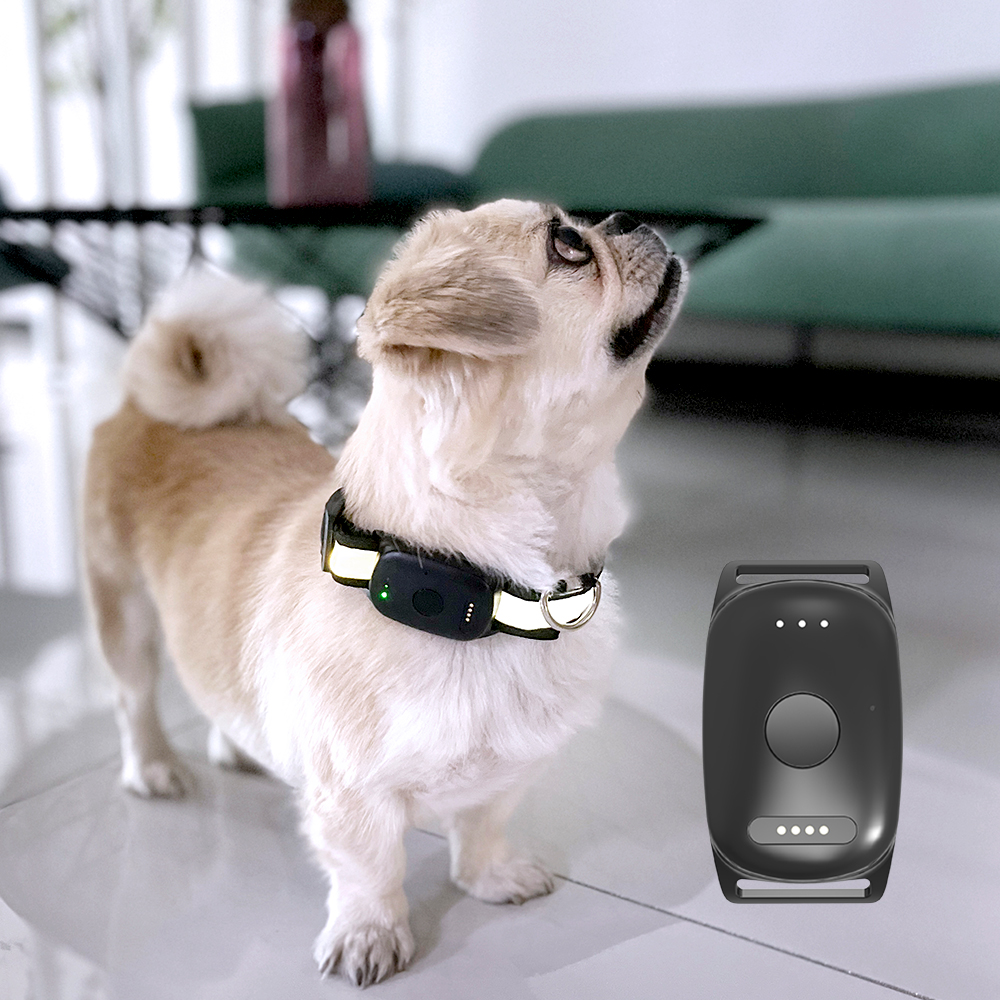
Active dogs bring immense joy to their owners, but their adventurous nature can also create significant safety concerns. Whether your energetic companion loves hiking trails, exploring new neighborhoods, or simply has a tendency to chase after interesting scents, the risk of them wandering off or getting lost is a constant worry. Modern pet technology has revolutionized how we protect our four-legged family members, with GPS dog tracker devices offering unprecedented peace of mind for pet owners who want to ensure their active dogs remain safe during outdoor adventures.
The investment in a GPS dog tracker represents more than just purchasing a gadget – it's about creating a comprehensive safety net that allows both you and your dog to enjoy outdoor activities with confidence. Active dogs require specialized tracking solutions that can withstand their energetic lifestyle while providing accurate location data in various environments. Understanding the specific benefits and practical applications of GPS tracking technology for active dogs helps pet owners make informed decisions about protecting their beloved companions during high-energy adventures and daily activities.
Enhanced Safety and Security for Adventure-Loving Dogs
Real-Time Location Monitoring During Outdoor Activities
Active dogs thrive on exploration, but their enthusiasm for adventure can quickly turn into dangerous situations when they venture beyond safe boundaries. A GPS dog tracker provides continuous real-time monitoring that allows pet owners to track their dog's exact location during hiking, camping, or off-leash play sessions. This technology becomes particularly valuable in unfamiliar territories where dogs might easily become disoriented or lost while following interesting scents or wildlife trails.
The precision of modern GPS tracking systems ensures that pet owners receive accurate location data within meters of their dog's actual position. This level of accuracy proves essential when searching for a missing pet in dense forests, mountainous terrain, or large park areas where traditional calling methods might be ineffective. The ability to pinpoint your dog's location in real-time eliminates the panic and uncertainty that typically accompanies a missing pet situation.
Furthermore, GPS dog tracker technology works effectively across various environmental conditions that active dogs commonly encounter. Whether your pet is exploring rocky terrain, dense vegetation, or open fields, the satellite-based tracking system maintains consistent communication to provide reliable location updates. This reliability becomes crucial during emergency situations where every minute counts in ensuring your dog's safety and swift recovery.
Geofencing Capabilities for Boundary Management
Geofencing technology integrated into GPS dog tracker systems allows pet owners to establish virtual boundaries around safe areas where their active dogs can explore freely. This feature proves particularly beneficial for dogs who enjoy off-leash activities in designated areas such as dog parks, private properties, or familiar neighborhood zones. When your dog crosses these predetermined boundaries, the system immediately sends alerts to your smartphone, enabling quick intervention before your pet wanders too far from safety.
The customizable nature of geofencing boundaries makes this technology adaptable to various outdoor scenarios that active dogs encounter. Pet owners can create multiple safe zones for different locations, adjusting the boundary size based on the specific environment and their dog's typical behavior patterns. This flexibility ensures that the tracking system accommodates your dog's natural tendencies while maintaining appropriate safety parameters.
Active dogs often have unpredictable movement patterns, especially when they encounter exciting stimuli during outdoor adventures. Geofencing alerts provide early warning systems that prevent minor wandering incidents from escalating into serious lost pet emergencies. This proactive approach to pet safety allows owners to maintain appropriate supervision levels while still permitting their dogs to enjoy the freedom and exercise they need for optimal physical and mental health.
Behavioral Insights and Activity Monitoring Benefits
Exercise Tracking and Health Monitoring
Modern GPS dog tracker devices offer comprehensive activity monitoring features that provide valuable insights into your active dog's exercise patterns and overall health status. These systems track daily movement, distance covered, calories burned, and rest periods, creating detailed profiles that help pet owners understand their dog's activity levels and identify any concerning changes in behavior or energy. This data proves particularly valuable for maintaining optimal fitness levels in highly active breeds that require substantial daily exercise.
The ability to monitor your dog's activity patterns helps identify potential health issues before they become serious problems. Sudden decreases in activity levels, changes in movement patterns, or alterations in typical behavior routines can indicate underlying medical conditions that require veterinary attention. Early detection of these changes enables prompt medical intervention, potentially preventing more serious health complications and ensuring your active dog maintains peak physical condition.
Activity tracking data also assists in developing optimized exercise routines that match your dog's specific needs and energy levels. Pet owners can use this information to ensure their active dogs receive appropriate amounts of physical stimulation without overexertion. The detailed activity reports help create balanced exercise schedules that promote healthy weight management, proper muscle development, and overall cardiovascular fitness for dogs with high energy requirements.
Behavioral Pattern Recognition and Training Support
GPS dog tracker technology provides detailed movement history that reveals important behavioral patterns in active dogs. This information helps pet owners understand their dog's preferred exploration routes, favorite resting spots, and typical reaction patterns to various environmental stimuli. Understanding these behaviors enables more effective training strategies and helps identify situations where additional behavioral modification might be necessary to ensure safety during outdoor activities.
The historical tracking data also proves valuable for addressing specific behavioral challenges common in active dogs, such as excessive chasing, territorial marking, or anxiety-related wandering. By analyzing movement patterns and timing data, pet owners can identify triggers that cause problematic behaviors and develop targeted training approaches to address these issues. This data-driven approach to behavioral modification often produces more effective results than traditional observation-based training methods.
Additionally, GPS tracking information helps establish routine patterns that promote better behavior in active dogs. Consistent exercise routes, regular activity schedules, and predictable outdoor experiences contribute to reduced anxiety and improved overall behavior. The tracking data ensures that pet owners maintain appropriate consistency in their dog's daily routine while identifying opportunities to introduce new experiences that promote mental stimulation and continued behavioral development.
Emergency Response and Recovery Advantages
Rapid Location Identification During Emergencies
Emergency situations involving active dogs require immediate response capabilities that traditional identification methods cannot provide. A GPS dog tracker enables instant location identification when your pet becomes lost, injured, or trapped in difficult-to-reach areas during outdoor adventures. This immediate access to precise location data dramatically reduces search time and increases the likelihood of successful pet recovery before serious harm occurs.
The speed of emergency response becomes critical when active dogs encounter dangerous situations such as extreme weather conditions, wildlife encounters, or terrain-related injuries. GPS tracking technology allows pet owners to direct emergency responders, veterinary teams, or search and rescue personnel directly to their dog's location rather than spending valuable time searching large areas. This efficiency can mean the difference between a successful rescue and a tragic outcome.
Furthermore, GPS dog tracker systems often include features that detect unusual movement patterns or prolonged periods of inactivity that might indicate an emergency situation. These automated alert systems notify pet owners immediately when their dog's behavior suggests potential distress or injury. Early detection of emergency situations enables rapid response even when pet owners are not actively monitoring their dog's location, providing an additional layer of safety for adventurous pets.
Coordination with Search and Rescue Operations
When active dogs become lost in challenging terrain or adverse weather conditions, professional search and rescue operations benefit significantly from GPS tracking data. The precise location information eliminates much of the guesswork involved in traditional pet search efforts, allowing rescue teams to focus their efforts on specific areas rather than conducting broad, time-consuming searches across large territories. This targeted approach increases the efficiency of rescue operations and improves outcomes for both pets and their owners.
GPS tracking data also provides valuable information about your dog's movement history leading up to the emergency situation. This historical data helps search teams understand your pet's likely behavior patterns, preferred hiding spots, and typical responses to stress or fear. Understanding these behavioral tendencies enables more effective search strategies and increases the probability of locating your dog quickly and safely.
Additionally, real-time GPS tracking capabilities allow search and rescue teams to coordinate their efforts more effectively when dealing with moving targets. Active dogs might continue to move even after becoming lost or disoriented, making traditional search methods less effective. The ability to track ongoing movement enables rescue teams to predict your dog's likely path and position resources accordingly, significantly improving the chances of a successful rescue operation.
Long-Term Cost Benefits and Peace of Mind
Prevention of Expensive Search and Recovery Operations
The financial investment in a GPS dog tracker often proves minimal compared to the potential costs associated with extensive search operations when active dogs become lost. Professional pet search services, emergency veterinary care for injured pets, and extended advertising campaigns can quickly accumulate thousands of dollars in expenses. GPS tracking technology prevents these costly situations by enabling immediate location identification and rapid recovery before problems escalate into expensive emergencies.
Lost pet situations involving active dogs often require professional assistance due to the challenging environments where these pets typically explore. Search and rescue services, helicopter searches, and specialized tracking teams represent significant financial burdens that GPS technology helps avoid. The one-time investment in tracking equipment eliminates the risk of these unpredictable and often substantial costs while providing ongoing protection for your pet's safety.
Additionally, GPS dog tracker systems help prevent the emotional and financial stress associated with prolonged pet loss situations. Extended missing pet scenarios often involve multiple search attempts, widespread advertising efforts, and potential reward offerings that can become financially overwhelming. The ability to locate your pet quickly through GPS tracking eliminates these extended search costs while ensuring your dog's safe return within hours rather than days or weeks.
Insurance and Liability Considerations
Active dogs pose higher liability risks when they venture onto private property, interact with wildlife, or cause accidents during their adventures. GPS tracking technology provides documented evidence of your dog's location and movement patterns, which can prove valuable when addressing liability concerns or insurance claims related to pet-related incidents. This documentation helps protect pet owners from false claims while ensuring accountability for their pet's actions.
Some pet insurance providers offer discounts for GPS-enabled tracking systems, recognizing the reduced risk of serious injuries or extended medical treatments that result from prolonged missing pet situations. The proactive safety measures demonstrated through GPS tracking investment often translate into lower insurance premiums and improved coverage options. These ongoing savings help offset the initial cost of tracking equipment while providing long-term financial benefits.
Furthermore, GPS tracking data can support insurance claims related to pet theft, loss, or injury by providing concrete evidence of circumstances leading up to incidents. This documentation proves particularly valuable for expensive purebred dogs or working animals where ownership verification and incident reconstruction become important factors in claim resolution. The detailed tracking records serve as comprehensive proof of ownership and care standards that insurance companies require for claim processing.
FAQ
How long does the battery last in a GPS dog tracker for active dogs?
Most GPS dog tracker devices designed for active dogs feature battery life ranging from 2-7 days depending on tracking frequency, cellular signal strength, and usage patterns. Devices with power-saving modes can extend battery life up to 2 weeks when used primarily for emergency situations. The battery duration varies based on how frequently the device transmits location updates, with real-time tracking consuming more power than periodic check-ins.
Are GPS dog trackers waterproof enough for swimming and water activities?
Quality GPS dog trackers typically offer IPX7 or higher waterproof ratings, making them suitable for swimming, rain exposure, and water-based activities that active dogs enjoy. However, prolonged submersion in deep water or saltwater environments may still damage electronic components, so it's important to check specific waterproof specifications before allowing extensive water exposure during aquatic adventures.
Can GPS tracking interfere with my dog's natural behavior or comfort?
Modern GPS dog trackers are designed to be lightweight and ergonomic, typically weighing 1-3 ounces and attaching securely to existing collars or harnesses. Most dogs adapt to wearing tracking devices within a few days without any behavioral changes. The key is choosing appropriately sized devices and ensuring proper fit to prevent chafing or discomfort during active play and exercise sessions.
Do GPS dog trackers work in remote areas without cellular coverage?
GPS dog trackers require cellular connectivity to transmit location data to your smartphone, so they have limited functionality in areas without cell tower coverage. However, many devices store location data locally and upload it when cellular service becomes available. Some premium models offer satellite communication options for truly remote areas, though these typically involve higher subscription costs and may have different feature limitations.


 Office:29th Floor,Changjiang Center, Renmin Road, Longhua, Shenzhen.
 Factory: 201# Building 1A, Nankechuang Yuangu, Gaofeng Road, Longhua, Shenzhen.
 +86 15899795842
