
What Makes GPS Dog Collars a Must-Have for Pet Service Providers?
Pet service providers today face unprecedented challenges in ensuring the safety and security of the animals in their care. Whether operating a dog walking business, pet daycare facility, or boarding service, the responsibility of keeping pets safe extends far beyond basic supervision. Modern technology has revolutionized how professional pet care providers approach animal safety, with GPS dog collars emerging as an essential tool for maintaining accountability and peace of mind. These innovative devices represent a significant advancement in pet safety technology, offering real-time location tracking capabilities that were once considered science fiction.
The pet service industry has experienced remarkable growth over the past decade, with millions of pet owners seeking professional care services for their beloved companions. This expansion has created new opportunities but also increased liability concerns for service providers. GPS dog collars have become instrumental in addressing these concerns while enhancing the overall quality of service delivery. Professional pet care providers who embrace this technology demonstrate their commitment to modern safety standards and client satisfaction.
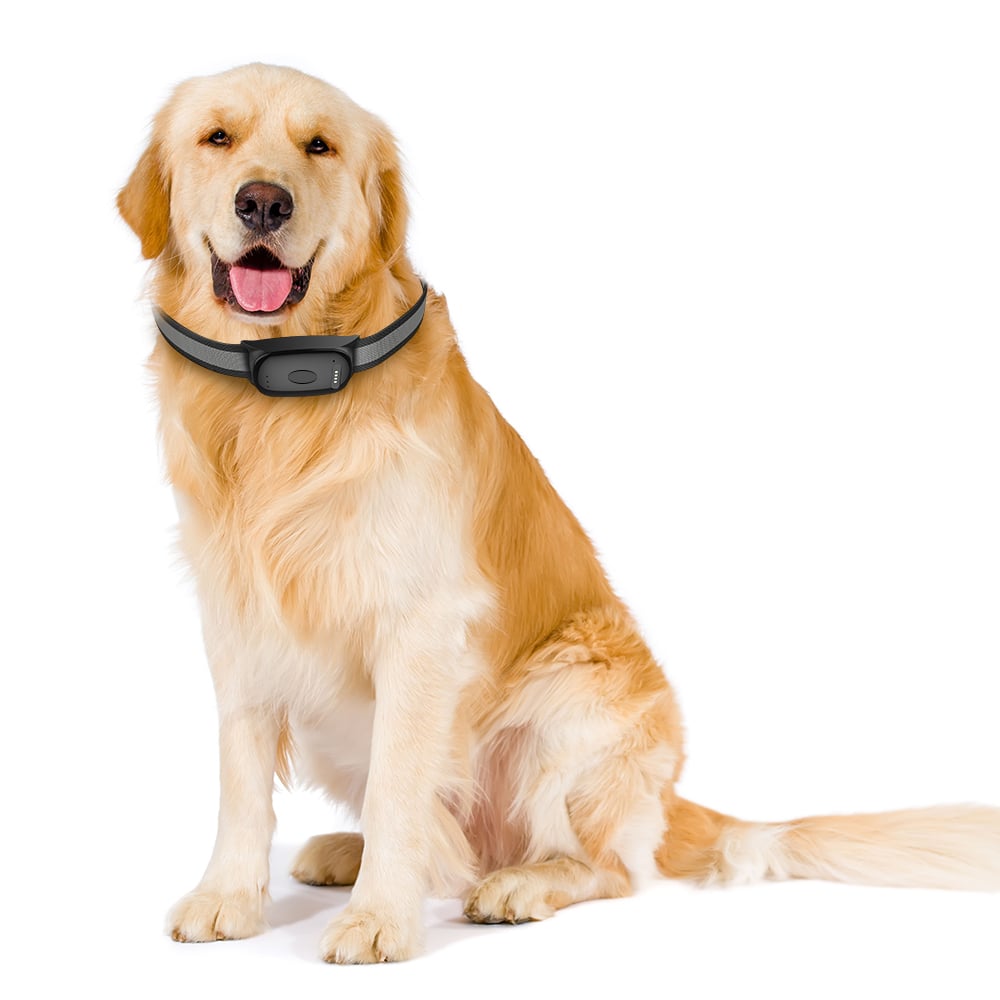
Understanding GPS Dog Collar Technology
Core Functionality and Features
GPS dog collars utilize satellite positioning technology combined with cellular communication networks to provide accurate location data in real-time. These sophisticated devices integrate multiple technologies including Global Positioning System satellites, cellular towers, and sometimes Wi-Fi networks to triangulate precise locations. The accuracy of modern GPS dog collars has improved dramatically, with many devices capable of pinpointing locations within three to five meters under optimal conditions.
Advanced GPS dog collars incorporate additional sensors beyond basic location tracking. Many models include accelerometers that detect movement patterns, temperature sensors for environmental monitoring, and even health indicators such as heart rate monitoring. These comprehensive features transform simple tracking devices into sophisticated pet health and safety monitoring systems that provide valuable insights for both pet owners and service providers.
Battery life represents a critical consideration for professional applications of GPS dog collars. Modern devices typically offer between three to seven days of continuous operation depending on usage patterns and reporting frequency. Some models feature intelligent power management systems that extend battery life by adjusting reporting intervals based on activity levels or predetermined schedules.
Communication and Connectivity Options
The effectiveness of GPS dog collars depends heavily on reliable communication networks. Most professional-grade devices utilize 4G LTE cellular networks to transmit location data, ensuring consistent connectivity even in remote areas. Some models incorporate multiple communication methods including cellular, Wi-Fi, and Bluetooth to maintain connectivity across various environments and situations.
Geofencing capabilities represent one of the most valuable features of modern GPS dog collars for pet service providers. These virtual boundaries can be programmed to alert caregivers immediately when animals move outside predetermined safe zones. Professional pet service providers often establish multiple geofenced areas corresponding to different service locations, parks, or client properties to ensure comprehensive coverage.
Real-time alerts and notifications enable immediate response to potential safety concerns. GPS dog collars can be configured to send instant alerts via smartphone applications, text messages, or email notifications when specific conditions are met. These might include boundary violations, unusual activity patterns, or emergency situations requiring immediate attention.
Professional Applications in Pet Services
Dog Walking and Exercise Services
Professional dog walkers face unique challenges in managing multiple animals simultaneously while ensuring individual safety and accountability. GPS dog collars provide documented proof of exercise routes, duration, and activities for each client. This data becomes invaluable for maintaining detailed service records and demonstrating professional standards to pet owners who entrust their animals to care providers.
Group walks present particular safety challenges that GPS dog collars help address effectively. When managing multiple dogs in public spaces or unfamiliar environments, these devices provide continuous monitoring capability that supplements direct supervision. Professional walkers can quickly identify if any animal strays from the group or exhibits unusual behavior patterns that might indicate distress or health issues.
Documentation and reporting capabilities of GPS dog collars enhance client communication and service transparency. Many devices automatically generate activity reports including distance traveled, time spent in various locations, and overall activity levels. This data helps pet service providers deliver detailed updates to clients while building trust through transparent service delivery.
Pet Daycare and Boarding Facilities
Large-scale pet care facilities benefit significantly from GPS dog collar implementation, particularly for outdoor play areas and exercise programs. These devices enable staff to monitor multiple animals simultaneously across extensive grounds while maintaining accurate headcounts and location awareness. The technology proves especially valuable during busy periods when individual attention becomes challenging.
Emergency preparedness represents a critical concern for boarding facilities housing numerous animals. GPS dog collars provide essential tools for rapid animal location and evacuation procedures during emergencies. Staff can quickly identify the exact location of every animal in their care, dramatically reducing response times during critical situations such as severe weather events or facility emergencies.
Behavioral monitoring capabilities offered by advanced GPS dog collars help facility staff identify potential issues before they escalate. Unusual movement patterns, extended periods of inactivity, or animals gathering in unexpected areas might indicate health problems, social conflicts, or environmental hazards requiring immediate attention.
Safety and Security Benefits
Immediate Location Response
The primary advantage of GPS dog collars in professional pet care involves immediate location response capabilities during emergency situations. When animals become separated from their caregivers or escape from designated areas, these devices provide precise location information that enables rapid recovery efforts. Professional pet service providers can respond to escape incidents within minutes rather than hours or days.
Search and rescue operations benefit tremendously from GPS dog collar technology, particularly in challenging environments such as dense forests, urban areas with heavy traffic, or during adverse weather conditions. The ability to track moving targets in real-time allows rescue teams to coordinate efforts more effectively and increases the likelihood of successful animal recovery.
Historical location data provided by GPS dog collars offers valuable insights for understanding animal behavior patterns and potential escape routes. This information helps pet service providers identify security vulnerabilities in their facilities or procedures and implement preventive measures to reduce future incidents.
Liability Protection and Documentation
Professional pet service providers face significant liability exposure when caring for client animals. GPS dog collars provide comprehensive documentation of animal activities, locations, and care procedures that can serve as crucial evidence in liability disputes or insurance claims. This technology creates an objective record of professional service delivery that protects both service providers and pet owners.
Insurance companies increasingly recognize the value of GPS tracking technology for risk reduction in pet service businesses. Many insurers offer premium discounts or enhanced coverage options for businesses that implement comprehensive tracking systems. This recognition reflects the proven effectiveness of GPS dog collars in reducing incidents and associated costs.
Legal compliance requirements in many jurisdictions mandate specific safety protocols for commercial pet care operations. GPS dog collars help businesses demonstrate compliance with local regulations while providing evidence of due diligence in animal care and safety procedures.
Client Communication and Trust Building
Transparency and Accountability
Modern pet owners demand unprecedented transparency regarding the care their animals receive from professional service providers. GPS dog collars enable real-time sharing of location information, activity levels, and care documentation that builds trust through verifiable service delivery. Clients can access live updates about their pets throughout service periods, reducing anxiety and enhancing satisfaction.
Detailed activity reports generated by GPS dog collars provide concrete evidence of exercise duration, play activities, and environmental exposure that pets receive during professional care. This documentation helps justify service fees while demonstrating the quality and attention provided to each animal. Professional providers who offer this level of transparency often command premium pricing for their services.
Emergency communication protocols enabled by GPS dog collars ensure immediate client notification during incidents or unusual situations. Automated alert systems can notify pet owners instantly when their animals require medical attention or experience unexpected events during care periods. This rapid communication helps maintain client confidence even during challenging situations.
Service Differentiation and Marketing
The implementation of GPS dog collars creates significant competitive advantages for pet service providers in increasingly crowded markets. Businesses that offer advanced tracking technology demonstrate their commitment to modern safety standards and technological innovation. This positioning attracts tech-savvy pet owners who value cutting-edge care solutions.
Marketing materials highlighting GPS tracking capabilities resonate strongly with safety-conscious pet owners seeking reliable care providers. The technology serves as a tangible demonstration of professional standards that differentiates quality providers from basic services. Many successful pet service businesses feature their tracking capabilities prominently in advertising and client communications.
Client retention rates typically improve significantly when businesses implement comprehensive GPS tracking systems. The enhanced communication, transparency, and safety provided by these devices creates stronger client relationships and reduces customer churn rates common in service industries.
Implementation Considerations for Pet Service Providers
Cost Analysis and Return on Investment
The initial investment in GPS dog collars varies significantly depending on device features, subscription services, and fleet size requirements. Professional-grade devices typically cost between fifty to two hundred dollars per unit, with ongoing monthly service fees ranging from ten to thirty dollars per collar. However, the return on investment often justifies these costs through reduced liability exposure, enhanced service pricing, and improved client retention.
Operational cost savings achieved through GPS dog collar implementation include reduced staff time for animal supervision, decreased insurance premiums, and fewer incident-related expenses. Many businesses report that the technology pays for itself within six to twelve months through improved operational efficiency and reduced liability costs.
Revenue enhancement opportunities created by GPS tracking technology include premium service offerings, expanded service areas, and increased client capacity. Businesses can confidently accept more clients or offer services in larger areas knowing they have comprehensive monitoring capabilities to ensure safety and accountability.
Staff Training and Operational Integration
Successful implementation of GPS dog collars requires comprehensive staff training programs that address device operation, emergency protocols, and client communication procedures. Training should cover proper collar fitting, battery management, troubleshooting common issues, and interpreting location data effectively. Well-trained staff maximize the benefits of tracking technology while minimizing operational disruptions.
Operational procedures must be adapted to incorporate GPS tracking workflows seamlessly into existing service delivery processes. This includes collar assignment protocols, battery charging schedules, data review procedures, and emergency response plans. Standardized operating procedures ensure consistent implementation across all staff members and service locations.
Technology integration challenges may arise when implementing GPS dog collars alongside existing business management systems. Many providers benefit from choosing devices that offer application programming interfaces or integration capabilities with popular pet service management software platforms. This integration streamlines operations and reduces administrative overhead.
Choosing the Right GPS Dog Collar System
Feature Evaluation and Selection Criteria
Selecting appropriate GPS dog collars for professional applications requires careful evaluation of multiple technical and operational factors. Battery life, tracking accuracy, durability, and communication reliability represent primary considerations that directly impact service delivery quality. Professional providers should prioritize devices offering at least three-day battery life under continuous use conditions.
Environmental resistance capabilities become crucial for outdoor pet service applications. GPS dog collars must withstand exposure to water, mud, extreme temperatures, and physical impacts common in active pet environments. Look for devices with appropriate IP ratings and reinforced construction designed for professional use rather than casual pet ownership.
Scalability considerations affect long-term viability of GPS dog collar systems for growing businesses. Choose platforms that accommodate fleet expansion, offer volume pricing discounts, and provide centralized management capabilities for multiple devices. Some systems offer advanced features like automated reporting, integrated billing, and client portal access that enhance professional service delivery.
Integration with Business Operations
Successful GPS dog collar implementation requires seamless integration with existing business management processes and client communication systems. Many professional pet service providers benefit from platforms that offer application programming interfaces enabling data sharing with scheduling software, client management systems, and billing platforms. This integration reduces administrative overhead while enhancing service quality.
Data management and privacy considerations become increasingly important as businesses collect detailed location and activity information about client pets. Choose GPS dog collar systems that offer robust data security, comply with privacy regulations, and provide clear data retention policies. Professional providers must balance transparency benefits with appropriate privacy protections.
Customer support and technical assistance quality varies significantly among GPS dog collar manufacturers and service providers. Professional applications require reliable technical support, rapid device replacement capabilities, and comprehensive training resources. Evaluate potential vendors based on their track record serving commercial clients rather than individual pet owners.
FAQ
How accurate are GPS dog collars for professional pet service applications
Modern GPS dog collars typically provide location accuracy within 3-10 feet under optimal conditions, which proves sufficient for most professional pet service applications. Accuracy can be affected by environmental factors such as dense tree cover, tall buildings, or severe weather conditions. Professional-grade devices often incorporate multiple positioning technologies including GPS, cellular tower triangulation, and Wi-Fi positioning to maintain accuracy across various environments. For pet service providers, this level of accuracy enables effective monitoring of animals in parks, residential areas, and most outdoor environments where services are typically provided.
What happens if the GPS dog collar loses cellular connectivity during service
Quality GPS dog collars incorporate data storage capabilities that continue recording location information even when cellular connectivity is temporarily lost. When connectivity is restored, devices automatically upload stored location data, ensuring no gaps in tracking records. Many professional-grade systems also provide connectivity status indicators and alerts when devices lose communication for extended periods. Pet service providers should establish protocols for checking device connectivity before each service session and have backup communication methods available for emergency situations.
How do GPS dog collars impact battery life and charging requirements
Battery life for professional GPS dog collars typically ranges from 2-7 days depending on reporting frequency, device features, and usage patterns. Most professional applications configure devices to report locations every 30 seconds to 5 minutes, balancing battery life with monitoring needs. Successful implementation requires establishing charging protocols that ensure devices remain operational throughout service periods. Many professional providers maintain spare charged collars and implement rotation systems to avoid service interruptions due to battery depletion.
Can GPS dog collars be used safely on all dog sizes and breeds
Modern GPS dog collars are designed to accommodate various dog sizes and breeds, with weight requirements typically starting around 8-10 pounds for most professional devices. Collar sizing and weight considerations become important factors when selecting appropriate devices for specific client animals. Some breeds with thick coats or unusual neck shapes may require special fitting attention to ensure comfort and proper device function. Professional pet service providers should maintain multiple collar sizes and styles to accommodate diverse client needs while ensuring proper fit and safety for all animals in their care.


 Office:29th Floor,Changjiang Center, Renmin Road, Longhua, Shenzhen.
 Factory: 201# Building 1A, Nankechuang Yuangu, Gaofeng Road, Longhua, Shenzhen.
 +86 15899795842
