Comprehensive Health and Activity Monitoring System
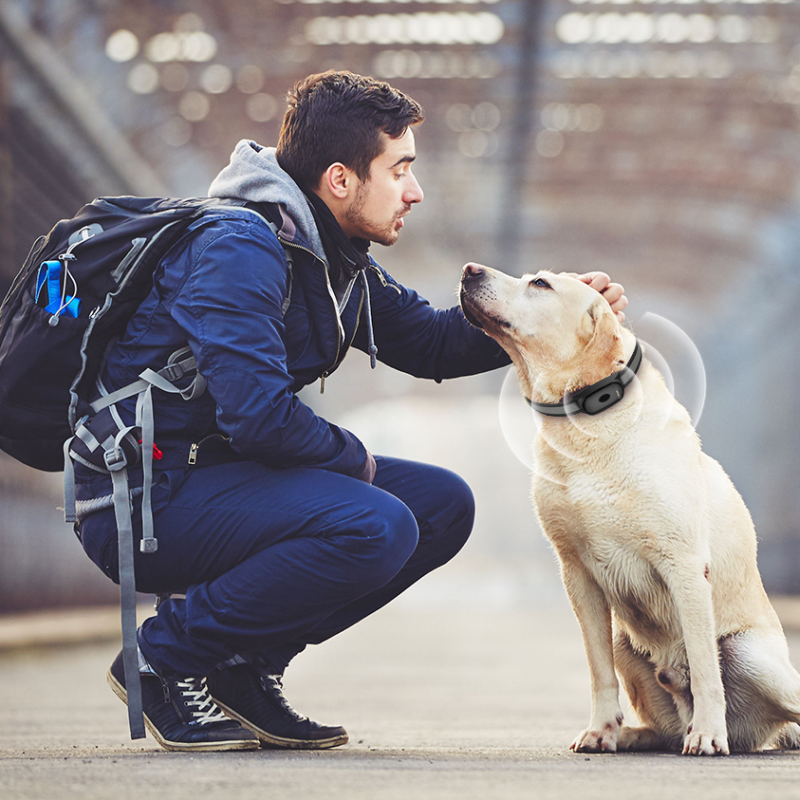
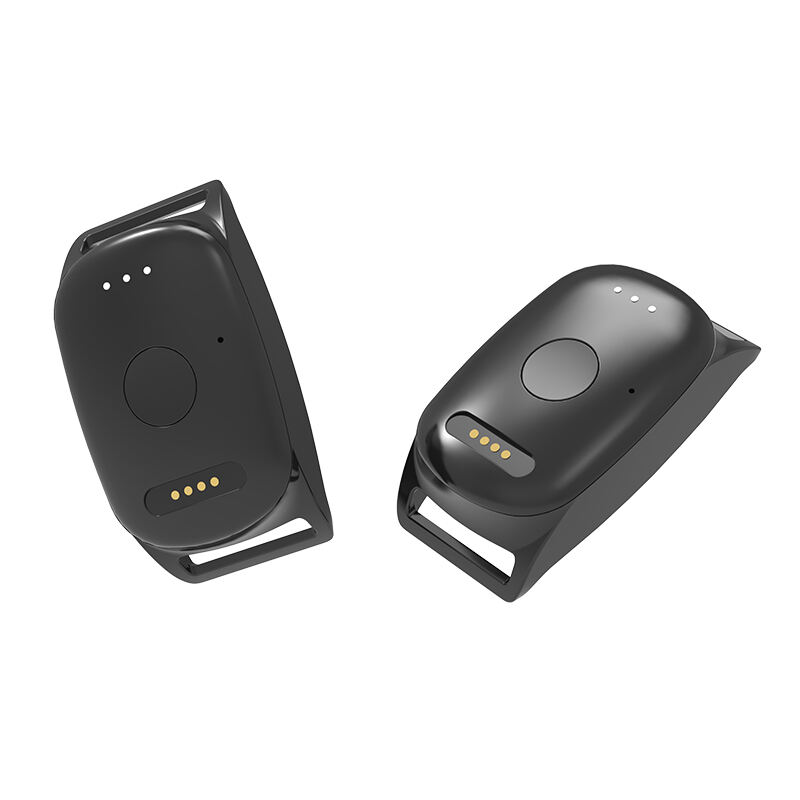
Modern 4g pet tracker devices incorporate sophisticated sensor arrays that transform simple location tracking into comprehensive health and wellness monitoring systems, providing invaluable insights into your pet's daily activities, exercise patterns, and overall wellbeing. These advanced sensors, including three-axis accelerometers, gyroscopes, and barometric pressure sensors, continuously monitor movement patterns, activity intensity, rest periods, and even sleep quality throughout each 24-hour cycle. This detailed activity tracking enables pet owners to establish baseline activity levels for their specific animals, making it easier to identify concerning changes that might indicate illness, injury, or behavioral issues requiring veterinary attention. The system automatically categorizes different activity types, distinguishing between walking, running, playing, resting, and sleeping phases, providing detailed reports through the companion mobile application that help owners understand their pet's daily routines and energy expenditure. For overweight pets requiring structured exercise programs, the 4g pet tracker becomes an invaluable tool for monitoring progress and ensuring prescribed activity levels are maintained consistently. The device can send reminder notifications when pets haven't reached their daily exercise goals, encouraging owners to provide additional physical activity opportunities. Temperature sensors within the device monitor environmental conditions, alerting owners to potentially dangerous situations such as overheating during summer months or exposure to freezing temperatures that could threaten pet safety. The barometric pressure monitoring capability can even detect changes in weather patterns that might affect certain pets prone to anxiety or health issues related to atmospheric pressure changes. Long-term data collection enables the creation of comprehensive health profiles that can be shared with veterinarians during routine checkups, providing medical professionals with objective activity data to supplement clinical examinations. This historical data proves particularly valuable for senior pets, where gradual decreases in activity levels might indicate developing arthritis, heart conditions, or other age-related health concerns that benefit from early intervention and treatment adjustments.





 Office:29th Floor,Changjiang Center, Renmin Road, Longhua, Shenzhen.
 Factory: 201# Building 1A, Nankechuang Yuangu, Gaofeng Road, Longhua, Shenzhen.



 +86 15899795842
