Comprehensive Health and Activity Monitoring System
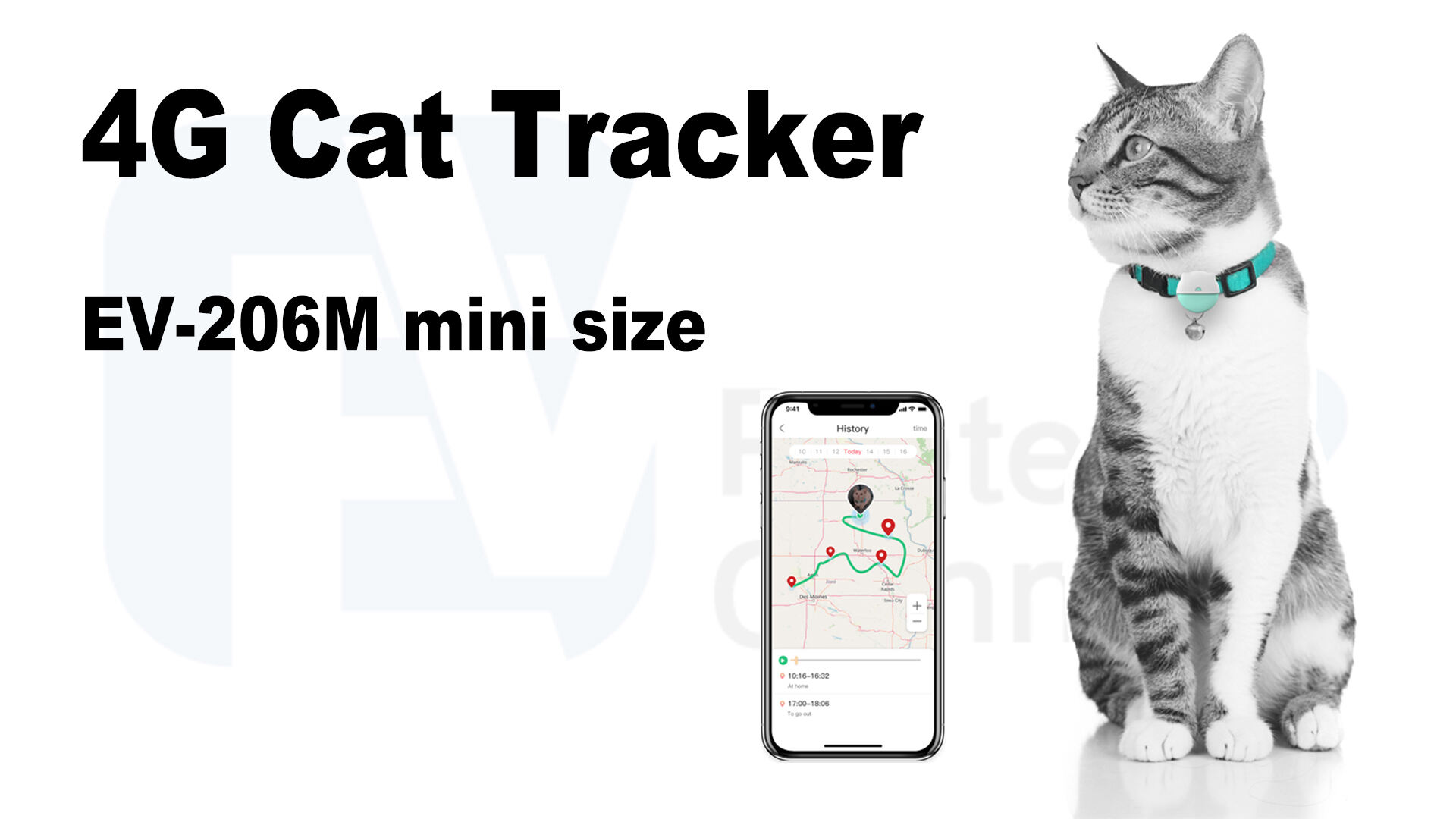
The integrated health monitoring capabilities of a cat collar with a tracker extend far beyond simple location services, providing comprehensive wellness insights that enable proactive pet healthcare management and early detection of potential health concerns. This sophisticated monitoring system continuously tracks multiple biometric and behavioral indicators including daily activity levels, sleep patterns, exercise intensity, and movement quality that collectively paint a detailed picture of your cat's overall physical condition and wellbeing status. The cat collar with a tracker utilizes advanced accelerometers and gyroscopic sensors to analyze movement patterns with remarkable precision, distinguishing between different types of activities such as walking, running, climbing, hunting behaviors, grooming sessions, and rest periods. This granular activity analysis enables owners to establish baseline behavioral patterns for their individual cats, making it easier to identify subtle changes that might indicate emerging health issues before clinical symptoms become apparent through casual observation. The device tracks sleep quality and duration, providing insights into rest patterns that veterinarians consider crucial indicators of feline health status, as disrupted sleep often correlates with pain, illness, or psychological stress that requires professional attention. Exercise monitoring helps owners ensure their cats maintain appropriate activity levels for their age, breed, and physical condition, while also identifying unusual increases or decreases in movement that might suggest injury, arthritis, or other mobility-affecting conditions. The cat collar with a tracker can detect irregular movement patterns that might indicate seizures, respiratory distress, or other medical emergencies, automatically sending urgent notifications to owners and emergency contacts to ensure rapid intervention when time-sensitive situations develop. Temperature sensors monitor environmental conditions and can detect fever or hypothermia through proximity sensing, adding another layer of health monitoring that proves especially valuable for cats with chronic conditions or senior pets requiring enhanced medical oversight. The collected health data integrates seamlessly with veterinary management systems, enabling healthcare providers to access comprehensive activity reports that support more accurate diagnoses and treatment planning based on objective behavioral evidence rather than limited observation periods during clinical examinations. Long-term trend analysis helps identify gradual changes in activity patterns that might indicate aging-related conditions, allowing for early intervention strategies that can significantly improve quality of life and treatment outcomes for cats experiencing age-related health decline.




 Office:29th Floor,Changjiang Center, Renmin Road, Longhua, Shenzhen.
 Factory: 201# Building 1A, Nankechuang Yuangu, Gaofeng Road, Longhua, Shenzhen.



 +86 15899795842
