Professional GPS Tracker for Wild Animals - Advanced Wildlife Monitoring Technology

gps tracker for wild animals

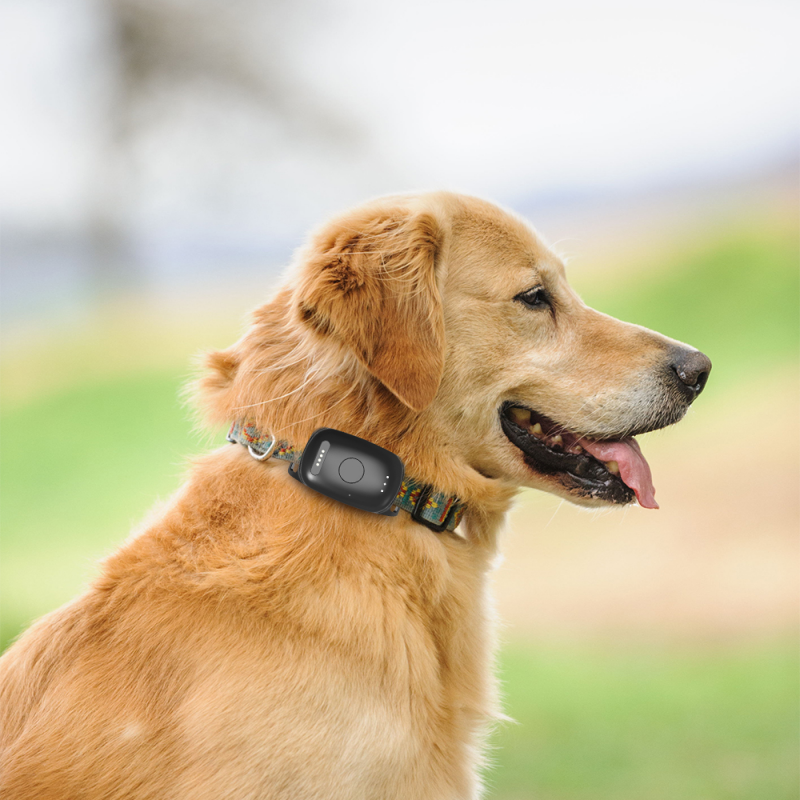
A GPS tracker for wild animals represents a revolutionary advancement in wildlife monitoring and conservation technology. These sophisticated devices combine satellite positioning systems with durable hardware designed to withstand harsh environmental conditions while providing real-time location data for researchers, conservationists, and wildlife managers. The GPS tracker for wild animals utilizes global positioning satellite networks to determine precise coordinates, enabling scientists to monitor animal movements, behavior patterns, and habitat preferences with unprecedented accuracy. Modern GPS tracker for wild animals units incorporate advanced features such as accelerometers, temperature sensors, and activity monitors that capture comprehensive data beyond simple location tracking. The technology operates through a combination of GPS satellites, cellular networks, and sometimes satellite communication systems to transmit collected data to researchers in real-time or at predetermined intervals. These trackers are specifically engineered to meet the unique challenges of wildlife monitoring, featuring waterproof housings, extended battery life, and attachment mechanisms suitable for various animal species. The GPS tracker for wild animals can be configured with different transmission schedules to balance data collection needs with battery conservation, allowing for monitoring periods ranging from weeks to several years depending on the device specifications and power management settings. Integration capabilities with existing research databases and mapping software make these devices invaluable tools for comprehensive wildlife studies. The collected data helps researchers understand migration routes, territorial boundaries, breeding behaviors, and responses to environmental changes or human activities. Additionally, the GPS tracker for wild animals supports conservation efforts by providing evidence-based insights for habitat protection initiatives and wildlife corridor planning.

New Product Recommendations

The GPS tracker for wild animals delivers numerous practical benefits that transform how wildlife research and conservation efforts operate. Researchers gain access to continuous, accurate location data without the need for labor-intensive field tracking methods that often disturb animals and provide limited observation windows. This technology eliminates the guesswork from wildlife monitoring by providing precise coordinates updated at regular intervals, allowing scientists to map detailed movement patterns and identify critical habitat areas with confidence. The GPS tracker for wild animals significantly reduces research costs over time by minimizing the need for expensive helicopter surveys, ground tracking teams, and repeated field expeditions that traditionally consumed substantial resources and time. Data collection becomes more comprehensive and reliable because the devices operate continuously, capturing information during nighttime hours, adverse weather conditions, and in remote locations where human observation would be impossible or dangerous. Wildlife managers can respond quickly to conservation threats because real-time alerts notify them when animals enter dangerous areas, approach human settlements, or exhibit unusual behavior patterns that might indicate injury or distress. The GPS tracker for wild animals enables researchers to study multiple animals simultaneously across vast geographical areas, providing population-level insights that would be impossible to achieve through conventional observation methods. Long-term behavioral studies become feasible because these devices can monitor individual animals for extended periods, revealing seasonal patterns, lifetime habitat use, and multi-generational territory inheritance. Conservation organizations benefit from concrete data that supports funding applications and policy recommendations, as GPS tracking provides quantifiable evidence of animal movements, habitat requirements, and human-wildlife conflict patterns. The technology also enhances public engagement with conservation efforts by enabling researchers to share fascinating real-time animal journeys through interactive maps and educational programs. Emergency response capabilities improve dramatically because wildlife officials can locate injured or trapped animals quickly, potentially saving lives and reducing suffering. Research collaboration becomes more effective as standardized GPS data can be easily shared between institutions, creating larger datasets that strengthen scientific conclusions and conservation strategies.

Tips And Tricks

How long is the battery life?

12

Nov

How long is the battery life?

Discover the battery life of Eview GPS pet trackers, designed to provide long-lasting tracking to keep your pet safe over extended periods.
View More
Does your device support eSIM?

12

Nov

Does your device support eSIM?

Find out if Eview GPS pet tracking devices support eSIM technology, providing flexibility and ease of connectivity for pet tracking.
View More

Get a Free Quote

Our representative will contact you soon.
Email
Name
Company Name
Message
0/1000

gps tracker for wild animals

Advanced Real-Time Monitoring Capabilities

Advanced Real-Time Monitoring Capabilities

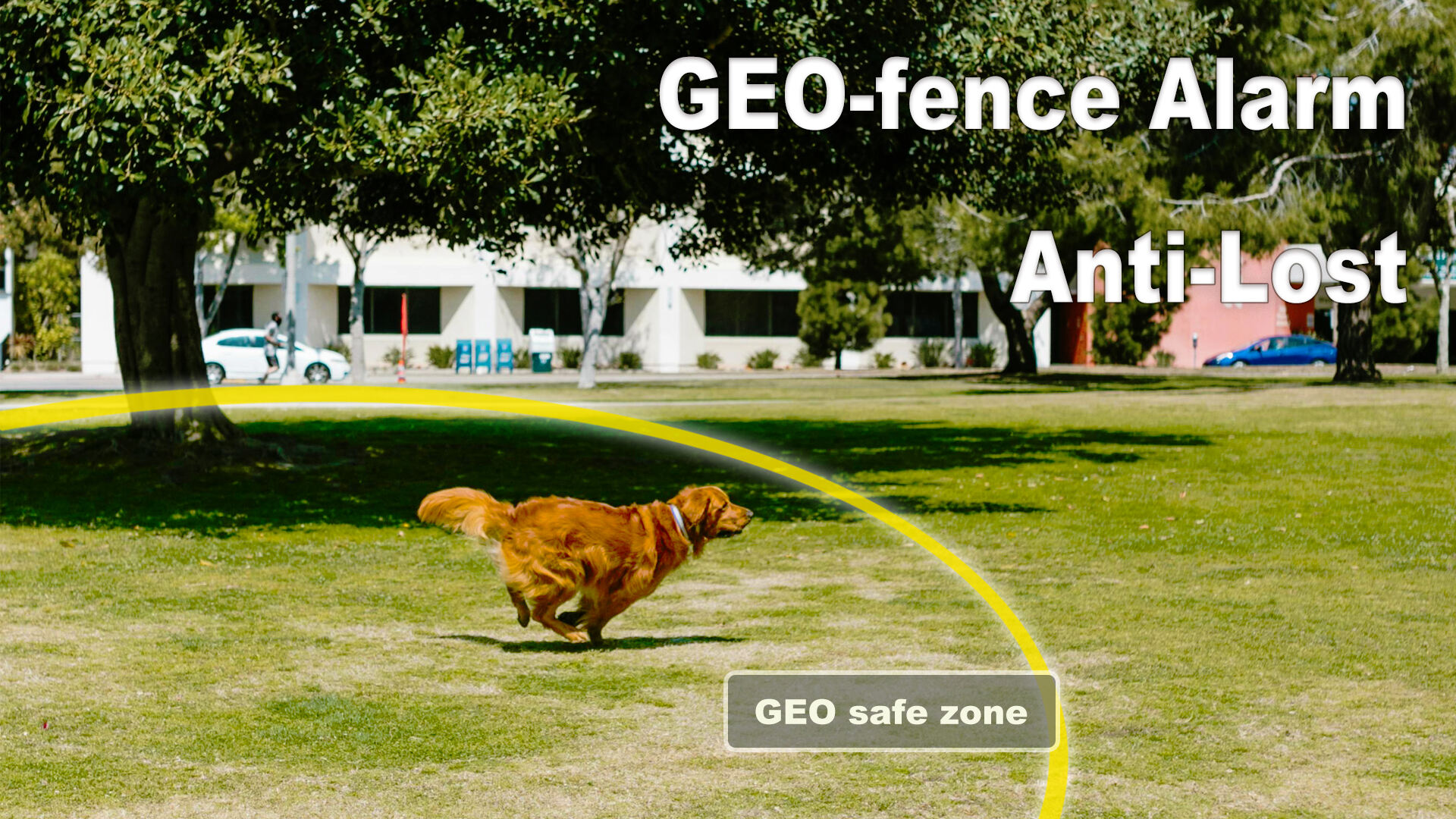
The GPS tracker for wild animals revolutionizes wildlife research through its sophisticated real-time monitoring capabilities that provide researchers with immediate access to animal location data and behavioral insights. This advanced functionality transforms traditional wildlife studies by eliminating the delays and limitations associated with conventional tracking methods. The system continuously collects precise GPS coordinates and transmits this information through cellular networks or satellite communication systems, ensuring researchers receive up-to-date information regardless of their physical location. The real-time aspect of the GPS tracker for wild animals proves particularly valuable during critical research periods such as migration seasons, breeding cycles, or when monitoring animals in conflict zones where quick intervention might be necessary. Researchers can set customizable alert systems that notify them instantly when animals cross predetermined boundaries, enter protected areas, or remain stationary for extended periods that might indicate injury or death. This immediate feedback capability enables rapid response to conservation emergencies and provides opportunities to observe rare behaviors as they occur. The GPS tracker for wild animals incorporates advanced sensors beyond basic location tracking, including accelerometers that detect activity levels, temperature monitors that record environmental conditions, and mortality sensors that alert researchers to potential fatalities. These integrated features create comprehensive behavioral profiles that reveal feeding patterns, rest cycles, social interactions, and responses to environmental stimuli. The technology supports multiple data transmission options, allowing researchers to balance real-time monitoring needs with battery conservation requirements. High-frequency updates can be programmed during critical observation periods, while longer intervals preserve battery life during routine monitoring phases. Cloud-based data storage ensures information remains accessible from anywhere while providing secure backup systems that prevent data loss.
Exceptional Durability and Longevity

Exceptional Durability and Longevity

The GPS tracker for wild animals demonstrates exceptional engineering excellence through its robust construction designed to withstand the demanding conditions of wildlife habitats while maintaining reliable performance over extended periods. These devices undergo rigorous testing to ensure they can endure extreme temperatures, heavy precipitation, physical impacts, and the natural behaviors of wild animals without compromising functionality. The waterproof housing protects sensitive electronic components from moisture exposure during river crossings, heavy rainfall, or when animals dive underwater, making the GPS tracker for wild animals suitable for aquatic species monitoring as well as terrestrial wildlife studies. Advanced battery technology enables these devices to operate continuously for months or even years, depending on configuration settings and usage patterns, significantly reducing the need for recapture and maintenance procedures that stress animals and interrupt research continuity. The GPS tracker for wild animals features shock-resistant construction that protects internal components when animals engage in vigorous activities such as running, jumping, fighting, or territorial disputes that might subject the device to significant physical stress. Specialized attachment mechanisms ensure secure placement while minimizing impact on animal welfare, with options including collar mounts, harness systems, and implantable units designed specifically for different species and body types. Solar charging capabilities extend operational life indefinitely in suitable conditions, while intelligent power management systems automatically adjust transmission frequencies based on battery levels and programmed priorities. The GPS tracker for wild animals incorporates self-diagnostic features that monitor device health and alert researchers to potential malfunctions before complete failure occurs, enabling proactive maintenance scheduling. Environmental sensors within these devices also monitor their own operating conditions, providing valuable data about the harsh conditions wildlife endures while ensuring the tracker continues functioning optimally. Quality construction materials resist corrosion, UV degradation, and chemical exposure from natural elements, maintaining device integrity throughout extended deployment periods in challenging outdoor environments.
Comprehensive Data Analytics and Integration

Comprehensive Data Analytics and Integration

The GPS tracker for wild animals provides sophisticated data analytics capabilities that transform raw location information into actionable insights for wildlife management and conservation decision-making. Advanced software platforms process the continuous stream of GPS coordinates, movement patterns, and sensor data to generate comprehensive reports, interactive maps, and predictive models that enhance understanding of animal behavior and ecosystem dynamics. These analytical tools identify migration corridors, feeding areas, breeding grounds, and shelter locations with precision that supports evidence-based habitat protection and management strategies. The GPS tracker for wild animals integrates seamlessly with existing Geographic Information Systems (GIS) and research databases, enabling researchers to overlay tracking data with environmental variables such as vegetation types, climate patterns, human development, and topographical features. This integration reveals correlations between animal movements and environmental factors that might not be apparent through traditional observation methods. Machine learning algorithms analyze historical tracking data to predict future movement patterns, helping conservationists anticipate potential human-wildlife conflicts and plan protective measures accordingly. The system generates automated reports that highlight significant changes in behavior patterns, territorial boundaries, or habitat use that might indicate environmental pressures or conservation concerns requiring immediate attention. Collaborative features enable multiple research teams to share data securely while maintaining appropriate access controls and attribution protocols. The GPS tracker for wild animals supports comparative studies across different populations, species, and geographical regions by providing standardized data formats that facilitate meta-analyses and large-scale conservation research initiatives. Real-time visualization tools display animal movements on interactive maps that can be shared with stakeholders, funding organizations, and the public to demonstrate conservation program effectiveness and generate support for continued research efforts. Statistical analysis functions calculate territory sizes, movement speeds, activity patterns, and habitat preferences with scientific accuracy that supports peer-reviewed publications and policy recommendations. Data export capabilities ensure compatibility with specialized research software while maintaining data integrity and supporting long-term archival requirements for longitudinal studies spanning multiple years or decades.

Related Search

gps tracker for wild animals-2 gps tracker for wild animals-3 gps tracker for wild animals-4 gps tracker for wild animals-5