gps tracker hunting dogs
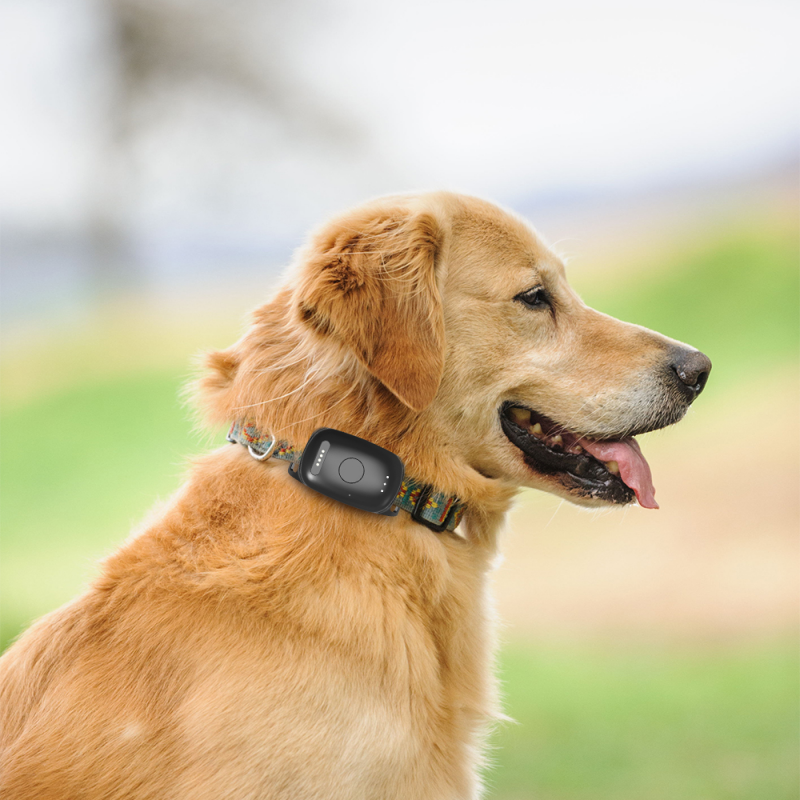
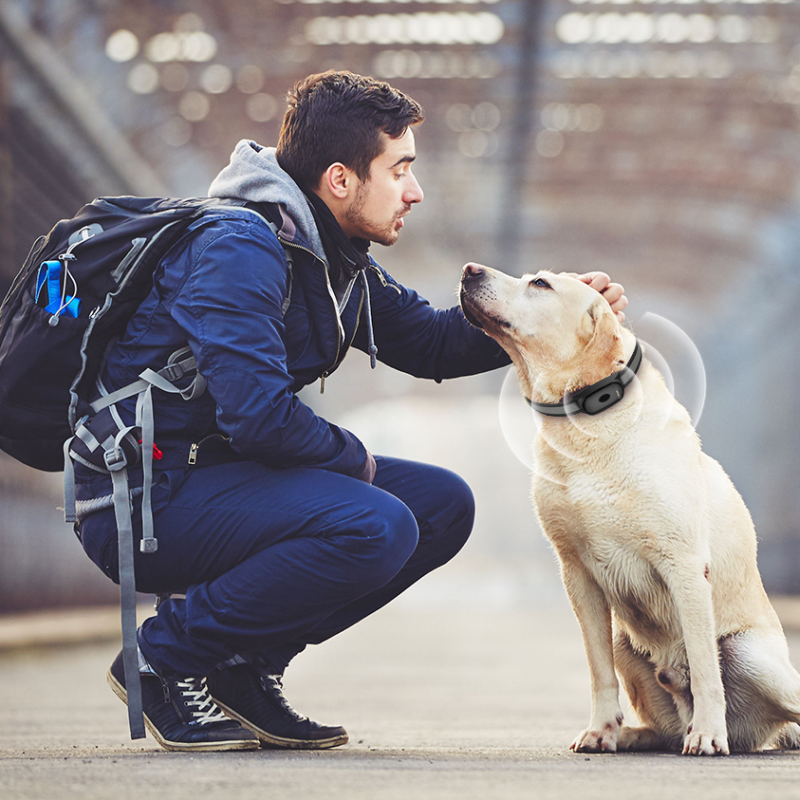
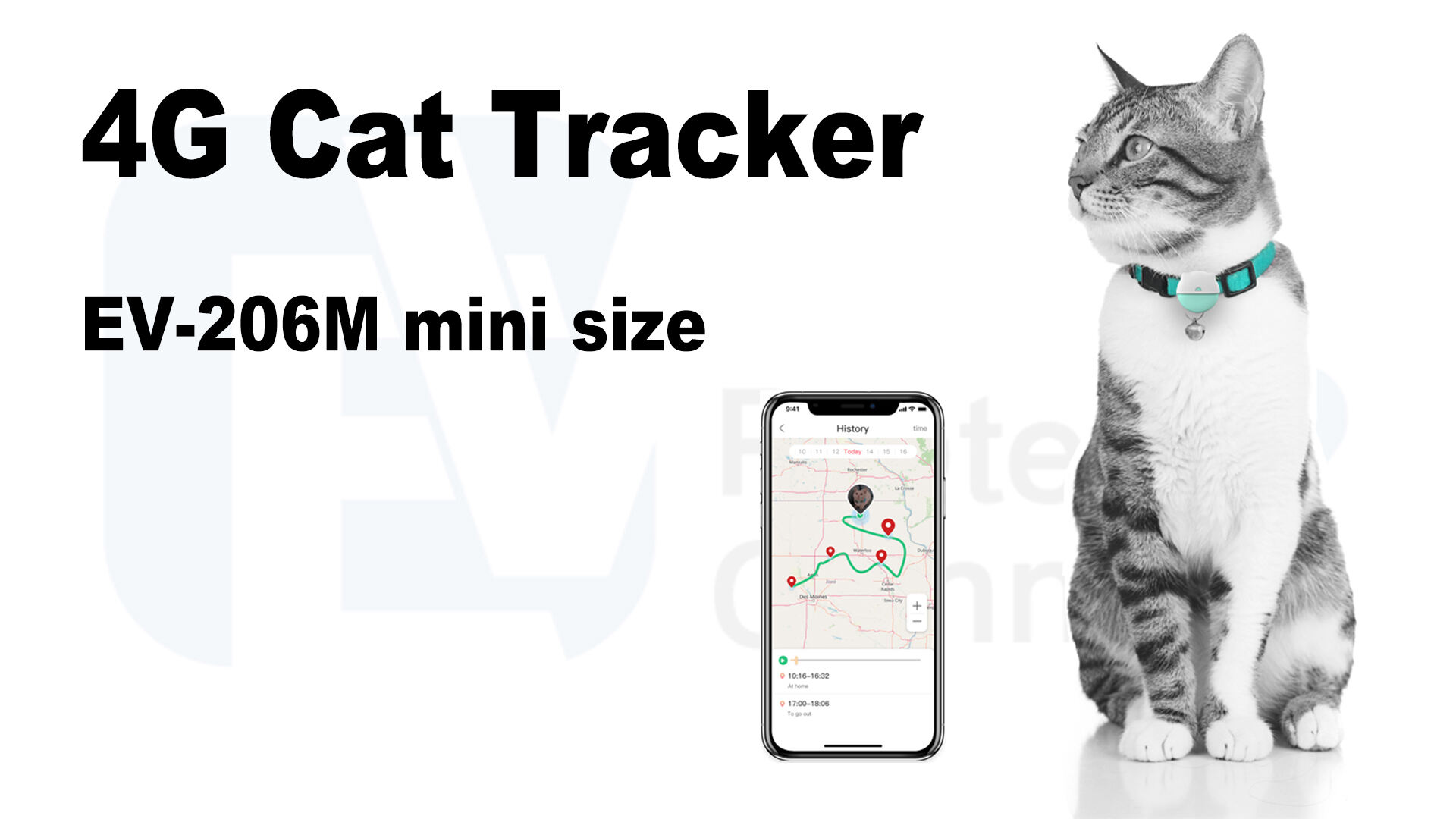
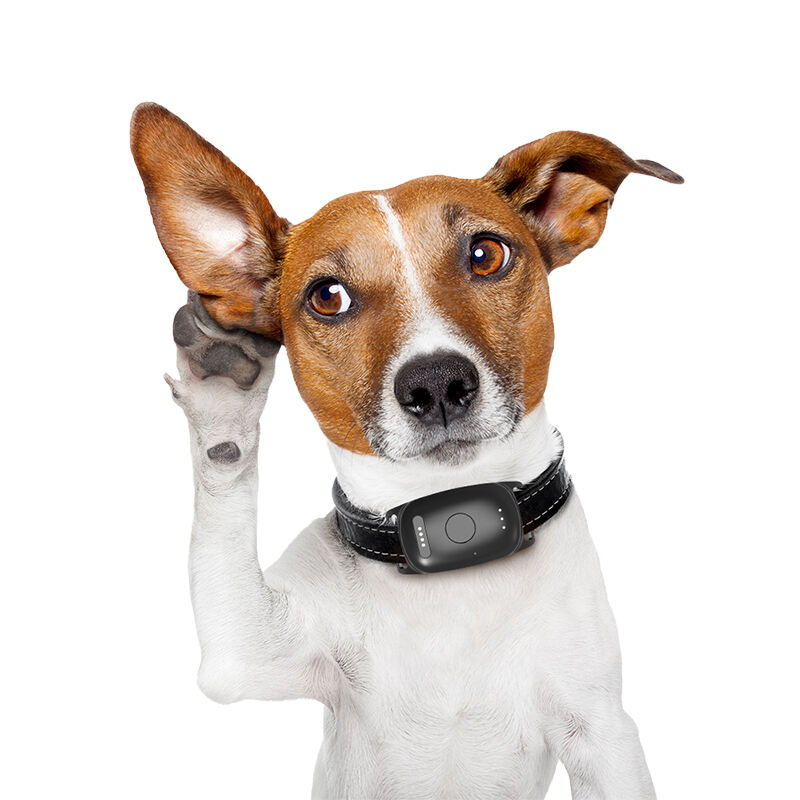
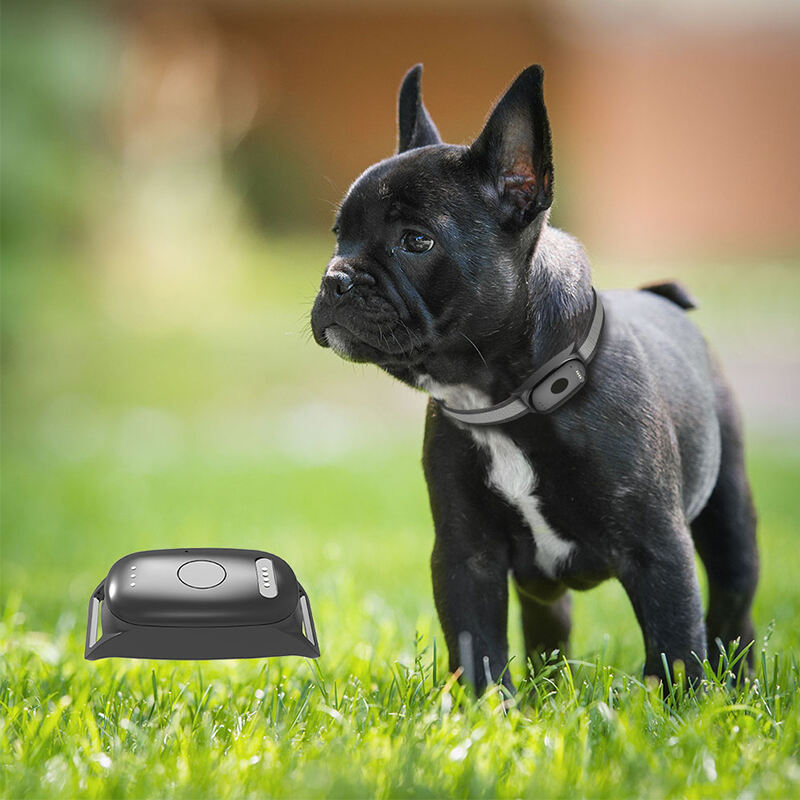
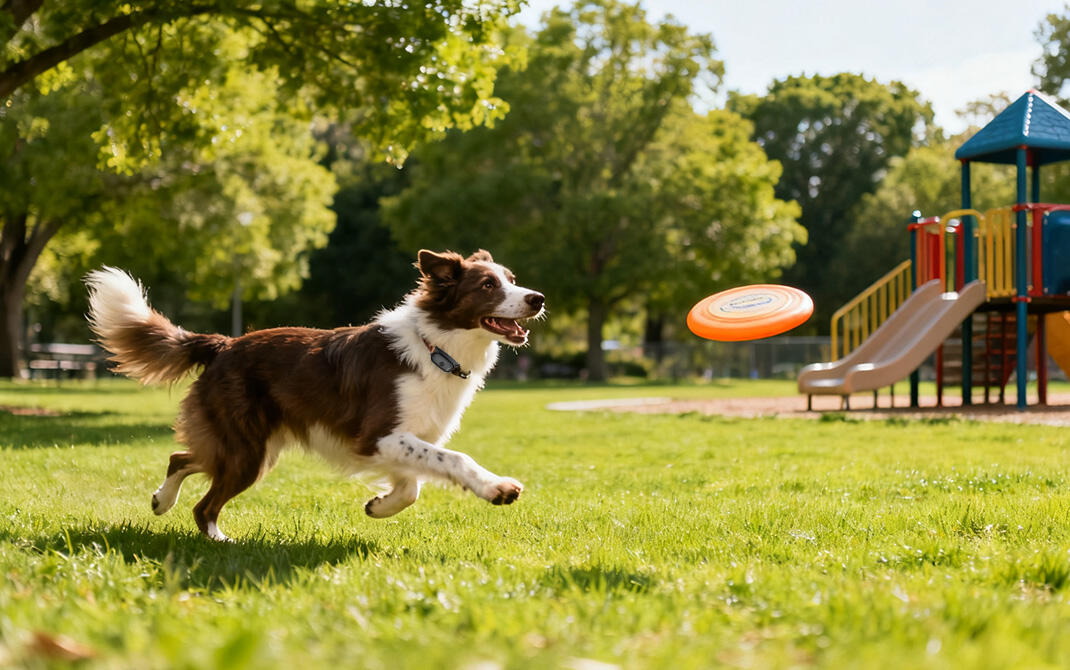
GPS tracker hunting dogs represent a revolutionary advancement in canine hunting technology, combining precision satellite navigation with specialized collar-mounted devices designed specifically for hunting enthusiasts and their four-legged companions. These sophisticated tracking systems utilize Global Positioning System satellites to provide real-time location data, ensuring hunters maintain constant awareness of their dogs' whereabouts during field operations. The primary functions of GPS tracker hunting dogs include continuous location monitoring, distance calculation, speed tracking, and comprehensive route mapping that allows owners to follow their pets' movements with remarkable accuracy. Modern GPS tracker hunting dogs incorporate advanced cellular or radio frequency communication technologies, enabling seamless data transmission between the collar device and handheld receivers or smartphone applications. The technological features encompass waterproof housing construction, extended battery life capabilities, shock-resistant materials, and customizable tracking intervals that optimize power consumption while maintaining precise location updates. Many GPS tracker hunting dogs systems feature geofencing capabilities, allowing hunters to establish virtual boundaries and receive instant alerts when their dogs venture beyond predetermined areas. The applications extend far beyond traditional hunting scenarios, proving invaluable for search and rescue operations, wildlife research, professional dog training, and recreational outdoor activities. These devices demonstrate exceptional performance across diverse terrains, from dense forests to open fields, maintaining signal integrity even in challenging environmental conditions. GPS tracker hunting dogs technology integrates seamlessly with modern smartphones and tablets, providing user-friendly interfaces that display comprehensive tracking information through detailed maps and analytical reports. The systems often include additional features such as activity monitoring, health tracking, and historical data storage, creating comprehensive profiles of canine behavior patterns. Professional hunters, wildlife biologists, and dog training specialists rely on GPS tracker hunting dogs to enhance safety protocols, improve training effectiveness, and conduct detailed behavioral studies that contribute to better understanding of canine hunting instincts and capabilities.




 Office:29th Floor,Changjiang Center, Renmin Road, Longhua, Shenzhen.
 Factory: 201# Building 1A, Nankechuang Yuangu, Gaofeng Road, Longhua, Shenzhen.



 +86 15899795842
