Advanced Wild Animal Tracking Device - GPS Wildlife Monitoring Technology

wild animal tracking device

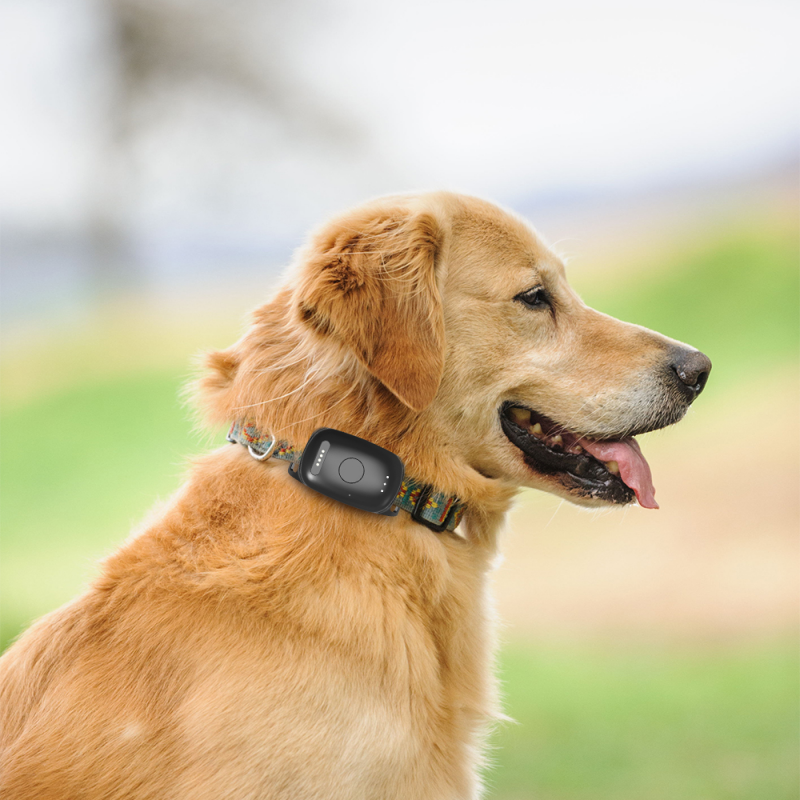
A wild animal tracking device represents cutting-edge technology designed to monitor and study wildlife behavior in their natural habitats. This sophisticated equipment combines GPS positioning, cellular communication, and advanced sensors to provide researchers, conservationists, and wildlife managers with unprecedented insights into animal movements and behavioral patterns. The primary functions of a wild animal tracking device include real-time location monitoring, movement pattern analysis, habitat usage assessment, and behavioral data collection. These devices utilize satellite technology to pinpoint exact coordinates of tagged animals, enabling continuous surveillance without human intervention. The technological features encompass waterproof housing, extended battery life, lightweight construction, and robust data transmission capabilities. Modern wild animal tracking devices incorporate accelerometers, temperature sensors, and heart rate monitors to capture comprehensive physiological and environmental data. The applications span across various fields including conservation biology, ecological research, wildlife management, and species protection programs. Researchers deploy these devices to study migration routes, feeding behaviors, territorial boundaries, and social interactions among different species. Conservation organizations utilize wild animal tracking device technology to monitor endangered populations, assess habitat quality, and develop effective protection strategies. The devices prove invaluable for tracking large mammals, birds, marine life, and even smaller terrestrial species. Advanced models feature programmable collection schedules, allowing scientists to customize data gathering based on specific research objectives. The integration of machine learning algorithms enables predictive analysis of animal behavior patterns, supporting proactive conservation measures. Wildlife managers benefit from real-time alerts about animal movements near human settlements, facilitating conflict prevention and ensuring both human and animal safety.
New Products

The wild animal tracking device offers numerous practical advantages that transform wildlife research and conservation efforts. First, these devices eliminate the need for constant human presence in the field, reducing research costs and minimizing disturbance to natural animal behaviors. Traditional observation methods require extensive manpower and often yield limited data due to logistical constraints and animal evasion behaviors. With a wild animal tracking device, researchers can collect continuous data streams without physically following animals through challenging terrains or adverse weather conditions. The cost-effectiveness becomes apparent when considering the long-term data collection capabilities versus traditional field study expenses. Second, the accuracy and precision of location data surpass manual tracking methods significantly. GPS-enabled wild animal tracking devices provide coordinate accuracy within meters, enabling detailed habitat mapping and precise movement analysis. This accuracy supports evidence-based conservation decisions and helps identify critical habitat areas requiring protection. Third, the durability and reliability of modern tracking devices ensure consistent data collection across various environmental conditions. Waterproof and shock-resistant designs allow continuous operation in extreme weather, dense forests, underwater environments, and harsh climatic zones. Fourth, real-time data transmission capabilities enable immediate response to critical situations such as poaching activities, habitat encroachment, or animal distress. Wildlife managers can receive instant alerts when animals enter dangerous areas or exhibit unusual behavioral patterns, facilitating rapid intervention when necessary. Fifth, the comprehensive data collection capabilities extend beyond simple location tracking. Advanced wild animal tracking devices monitor vital signs, activity levels, environmental conditions, and social interactions, providing holistic insights into animal welfare and ecosystem health. This multi-dimensional data supports comprehensive research studies and informed conservation strategies. Sixth, the scalability of tracking systems allows simultaneous monitoring of multiple individuals or entire populations. Researchers can deploy numerous devices across different species and geographic regions, creating extensive datasets for comparative analysis and ecosystem-wide studies. The centralized data management systems facilitate collaboration between research institutions and conservation organizations worldwide.

Practical Tips

Is there a warranty for the devices?

12

Nov

Is there a warranty for the devices?

Understand the warranty policies for Eview GPS devices, offering you peace of mind and protection for your pet tracking investment.
View More
Do you offer customized service?

12

Nov

Do you offer customized service?

Eview GPS provides a variety of customized services for pet GPS trackers, including logo branding, packaging, and unique tracking features tailored to meet business needs.
View More
What kind of SIM card should I use?

16

Jun

What kind of SIM card should I use?

Learn about the compatible SIM cards for Eview GPS pet trackers, including recommended network types and configurations for seamless connectivity.
View More
Will device work inside a building?

12

Nov

Will device work inside a building?

Find out if Eview GPS devices work effectively inside buildings, utilizing Wi-Fi and beacon positioning for reliable indoor pet tracking.
View More

Get a Free Quote

Our representative will contact you soon.
Email
Name
Company Name
Message
0/1000

wild animal tracking device

Advanced GPS Technology with Satellite Communication

Advanced GPS Technology with Satellite Communication

The cornerstone feature of any effective wild animal tracking device lies in its sophisticated GPS technology integrated with reliable satellite communication systems. This advanced positioning technology delivers unprecedented accuracy in wildlife monitoring, providing researchers with precise location data that forms the foundation of comprehensive behavioral studies. Modern wild animal tracking devices utilize multi-constellation GPS receivers that connect with multiple satellite networks including GPS, GLONASS, and Galileo systems, ensuring consistent signal reception even in challenging environments such as dense forests, mountainous regions, or remote wilderness areas. The satellite communication component enables real-time data transmission from remote locations where traditional cellular networks remain unavailable. This capability proves essential for monitoring wildlife in protected areas, national parks, and conservation reserves where animals roam vast territories beyond conventional communication infrastructure. The wild animal tracking device employs sophisticated algorithms to optimize power consumption while maintaining continuous connectivity, extending operational periods between maintenance visits. Advanced models feature adaptive transmission schedules that adjust data upload frequency based on animal activity levels and battery status, maximizing device longevity while ensuring critical data capture. The integration of emergency transmission protocols allows immediate alerts when animals enter predefined danger zones or exhibit distress behaviors, enabling rapid response from conservation teams. Furthermore, the satellite communication system supports bidirectional data flow, allowing researchers to remotely adjust device settings, update collection parameters, or retrieve diagnostic information without physical device access. This remote management capability significantly reduces operational costs and minimizes wildlife disturbance associated with device maintenance. The precision of GPS data collected by these devices enables detailed habitat analysis, migration route mapping, and territory boundary identification, supporting evidence-based conservation planning and policy development.
Long-lasting Battery Performance with Solar Charging

Long-lasting Battery Performance with Solar Charging

Battery performance represents a critical factor determining the effectiveness and reliability of any wild animal tracking device, as extended operational periods directly correlate with comprehensive data collection and research success. Modern tracking devices incorporate cutting-edge lithium-ion battery technology combined with intelligent power management systems that optimize energy consumption based on device usage patterns and environmental conditions. The integration of solar charging capabilities revolutionizes the operational sustainability of wild animal tracking devices, enabling continuous operation for months or even years without human intervention. High-efficiency photovoltaic cells embedded within the device housing capture ambient light and convert it into electrical energy, continuously replenishing battery reserves during daylight hours. This renewable energy approach proves particularly valuable for long-term studies requiring extended monitoring periods without device replacement or battery maintenance. Advanced power management algorithms within the wild animal tracking device automatically adjust transmission frequencies, sensor activation schedules, and GPS polling rates based on available battery capacity, ensuring critical data collection continues even during periods of reduced solar exposure. The intelligent charging system incorporates battery health monitoring that tracks charge cycles, capacity degradation, and temperature variations, providing researchers with comprehensive device status information for maintenance planning. Weather-resistant solar panels maintain functionality across diverse environmental conditions, from tropical rainforests to arctic tundra, ensuring consistent energy harvesting regardless of deployment location. The extended battery life facilitated by solar charging technology reduces the frequency of device replacement procedures, minimizing stress on tracked animals and reducing overall research costs. Additionally, the combination of efficient battery technology with solar charging enables deployment of smaller, lighter devices that impose minimal burden on studied animals while maintaining full functionality and extended operational periods.
Comprehensive Data Analytics and Cloud-based Management

Comprehensive Data Analytics and Cloud-based Management

The true value of a wild animal tracking device extends beyond simple location monitoring through its sophisticated data analytics capabilities and cloud-based management platform that transforms raw tracking data into actionable insights for conservation and research applications. Modern tracking systems incorporate advanced analytics engines that process multiple data streams including GPS coordinates, accelerometer readings, temperature measurements, and behavioral indicators to create comprehensive wildlife profiles and population assessments. The cloud-based management platform centralizes data from multiple wild animal tracking devices across different species, locations, and research projects, enabling large-scale comparative studies and ecosystem-wide analysis. Machine learning algorithms embedded within the analytics platform identify patterns in animal behavior, predict seasonal movements, and detect anomalies that may indicate health issues, environmental threats, or human interference. The real-time processing capabilities allow immediate generation of alerts and notifications when animals exhibit unusual behaviors, enter restricted areas, or face potential dangers, enabling rapid intervention by wildlife management teams. Customizable dashboard interfaces provide researchers with intuitive data visualization tools including interactive maps, movement trajectory analysis, habitat usage heat maps, and temporal behavior charts that facilitate comprehensive understanding of wildlife patterns. The wild animal tracking device data integration supports collaborative research initiatives by allowing secure data sharing between institutions while maintaining appropriate access controls and privacy protections. Advanced reporting features generate automated summaries, statistical analyses, and trend assessments that support grant applications, conservation planning, and policy development initiatives. The cloud infrastructure ensures data redundancy, automatic backups, and scalable storage capacity that grows with research needs, protecting valuable long-term datasets from loss or corruption. Integration capabilities with existing research databases, GIS systems, and conservation management platforms streamline workflows and enhance the overall effectiveness of wildlife monitoring programs, maximizing the scientific and conservation value derived from each wild animal tracking device deployment.

Related Search

wild animal tracking device-2 wild animal tracking device-3 wild animal tracking device-4 wild animal tracking device-5