
Are Dog GPS Trackers Reliable in Remote or Rural Areas?
When you own a dog and venture into remote or rural areas, keeping track of your pet becomes significantly more challenging. A Dog GPS Tracker offers a potential solution, but reliability in these distant locations raises important questions for pet owners. Unlike urban environments with dense cellular and satellite coverage, remote areas present unique obstacles that can affect how well a Dog GPS Tracker actually performs in real-world conditions.
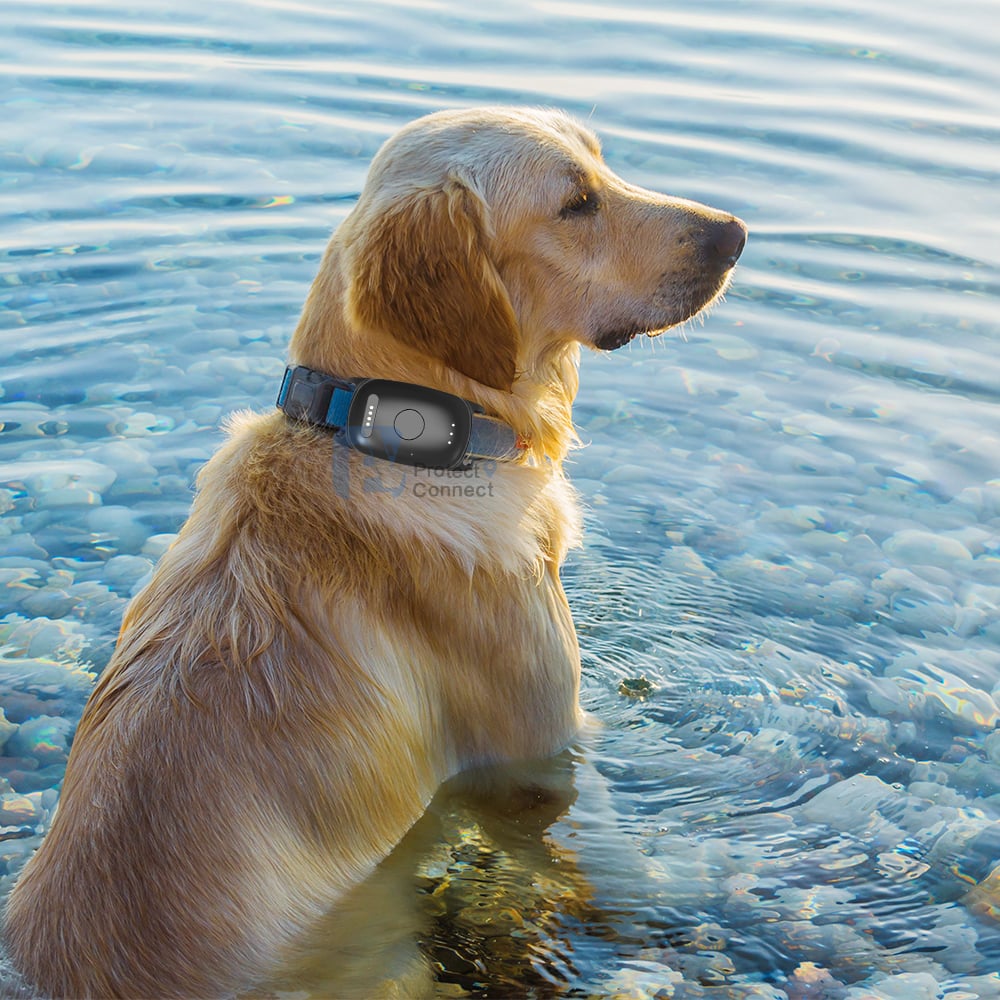
Understanding the reliability of a Dog GPS Tracker in remote settings requires knowledge of how these systems operate and what factors influence their accuracy. Pet owners who frequently travel to wilderness areas, farms, or rural properties need to evaluate whether their chosen Dog GPS Tracker can maintain consistent connection and provide dependable location data when cellular infrastructure is sparse or nonexistent.
Signal Coverage and Remote Area Challenges
Understanding Coverage Gaps in Rural Locations
A Dog GPS Tracker depends on either cellular networks, satellite systems, or hybrid connectivity to transmit location data. In remote rural areas, cellular towers are often spaced far apart, creating dead zones where a Dog GPS Tracker cannot establish a signal. GPS satellites themselves have good coverage globally, but a Dog GPS Tracker that relies solely on GPS positioning without cellular backup cannot send real-time location updates to your smartphone or online portal.
The effectiveness of a Dog GPS Tracker in remote areas depends heavily on which technology it uses. A Dog GPS Tracker with 4G LTE connectivity will struggle in rural regions where 4G infrastructure hasn't been deployed. Similarly, a Dog GPS Tracker relying on older 2G networks may face eventual service degradation as providers phase out legacy systems, leaving your device with reduced reliability.
Satellite and Hybrid Connectivity Solutions
Modern Dog GPS Tracker models increasingly incorporate satellite connectivity options like GPRS or Iridium networks, which offer coverage in areas where cellular service doesn't exist. A Dog GPS Tracker equipped with dual-mode connectivity can switch between cellular and satellite protocols automatically, significantly improving reliability in remote locations. This hybrid approach ensures that a Dog GPS Tracker maintains functionality across diverse terrain, from mountain ranges to desert landscapes.
When selecting a Dog GPS Tracker for remote area use, consider models that support multiple communication standards. A Dog GPS Tracker with fallback systems provides greater assurance that you'll receive location updates even when primary networks fail. This redundancy transforms a Dog GPS Tracker from an occasionally unreliable tool into a dependable safety device for your pet in wilderness settings.
Battery Life and Operational Constraints
Power Requirements in Extended Remote Deployments
Remote area reliability of a Dog GPS Tracker also depends on battery performance and charging accessibility. Unlike urban environments where you might charge a device daily, extended trips into rural areas require a Dog GPS Tracker with extended battery life. Standard Dog GPS Tracker models often provide 3 to 7 days of continuous tracking, which may prove insufficient for longer expeditions or situations where your dog roams far from base camp.
Battery drain accelerates when a Dog GPS Tracker attempts to maintain signal in areas with weak coverage. The device works harder to establish connections, consuming power faster than in well-served locations. Heavy use of real-time tracking features on a Dog GPS Tracker will deplete batteries quicker in rural settings, potentially leaving your pet untrackable at critical moments.
Optimizing Device Settings for Remote Reliability
To maximize a Dog GPS Tracker's reliability in remote areas, adjust tracking frequency and update intervals strategically. Instead of requesting real-time updates every minute, a Dog GPS Tracker configured for 15 or 30-minute intervals conserves battery while still providing actionable location data. Many owners find that a Dog GPS Tracker set to moderate update cycles offers the best balance between reliability and power sustainability during remote excursions.
Consider carrying spare batteries or a portable solar charger if your adventures extend beyond your Dog GPS Tracker's rated battery endurance. Some newer Dog GPS Tracker models feature low-power modes that reduce functionality but extend operational life dramatically. Planning charging logistics before departing for remote areas ensures your Dog GPS Tracker won't fail due to depleted batteries when you need it most.
Environmental and Physical Interference Factors
Terrain, Weather, and Signal Obstruction
Physical geography significantly impacts Dog GPS Tracker performance in remote locations. Mountain valleys, dense forests, and canyon environments create signal shadows that reduce a Dog GPS Tracker's ability to acquire and maintain satellite lock. Even brief obstructions from towering rock formations or thick tree canopy can interrupt the connection that a Dog GPS Tracker requires to calculate position accurately.
Weather conditions also affect a Dog GPS Tracker's reliability in remote areas. Heavy rain, snow, and cloud cover can attenuate satellite signals, degrading a Dog GPS Tracker's accuracy from meters to tens of meters. During severe storms or in regions with persistent cloud cover, a Dog GPS Tracker may require several extra seconds to establish position, or it might report stale location data if real-time connections are temporarily unavailable.
Practical Considerations for Outdoor Use
A Dog GPS Tracker designed for remote reliability must feature rugged construction that withstands mud, water, temperature swings, and physical impacts common in wilderness settings. Waterproof and dustproof ratings protect the internal components that make a Dog GPS Tracker function reliably under harsh conditions. Verify that your chosen Dog GPS Tracker has IP67 or higher ratings and materials that resist corrosion from prolonged outdoor exposure.
The collar or harness attachment method also influences how reliably a Dog GPS Tracker performs in remote areas. A secure, properly fitted design prevents the device from being lost, damaged, or submerged during your dog's activities. Test your Dog GPS Tracker attachment thoroughly before committing to remote expeditions, ensuring it can survive the specific environments where your dog typically roams.
FAQ
Can a Dog GPS Tracker work completely without cellular coverage in truly remote areas?
A Dog GPS Tracker can calculate your pet's GPS position independently using satellite signals, but real-time tracking requires data transmission back to your smartphone or account. In areas with zero cellular and no satellite data connectivity, a Dog GPS Tracker can store location history and transmit data when connection is restored. Look for models with satellite messaging capabilities if you need continuous tracking in complete cellular dead zones.
What is the typical accuracy of a Dog GPS Tracker in mountainous or forested remote terrain?
A Dog GPS Tracker typically achieves 5 to 30 meters accuracy in open areas, but mountainous or heavily forested terrain can degrade this to 50 to 100 meters or wider margins. Signal reflections off rock faces and obstruction from dense vegetation cause a Dog GPS Tracker to report less precise positions. Despite reduced accuracy compared to urban tracking, a Dog GPS Tracker still provides sufficient location awareness to locate a missing pet in remote landscapes.
How often should I check a Dog GPS Tracker's location updates when traveling in remote areas with my dog?
Recommended practice involves checking your Dog GPS Tracker's position every 15 to 30 minutes during active outdoor time in remote areas. This interval allows a Dog GPS Tracker to conserve battery while giving you frequent updates to notice if your dog has wandered unexpectedly far. Adjust check frequency based on your specific Dog GPS Tracker model's capabilities and the particular risks in your remote environment.


 Office:29th Floor,Changjiang Center, Renmin Road, Longhua, Shenzhen.
 Factory: 201# Building 1A, Nankechuang Yuangu, Gaofeng Road, Longhua, Shenzhen.
 +86 15899795842
