
What Should You Look for When Choosing a Dog GPS Tracker?
Losing a beloved pet is one of the most distressing experiences any dog owner can face. A dog GPS tracker offers peace of mind by allowing you to monitor your pet's location in real time, whether your dog has wandered off during a walk or escaped through an open door. However, not all dog GPS tracker options are created equal, and selecting the right one requires understanding the key features that will best suit your specific needs and your pet's lifestyle.
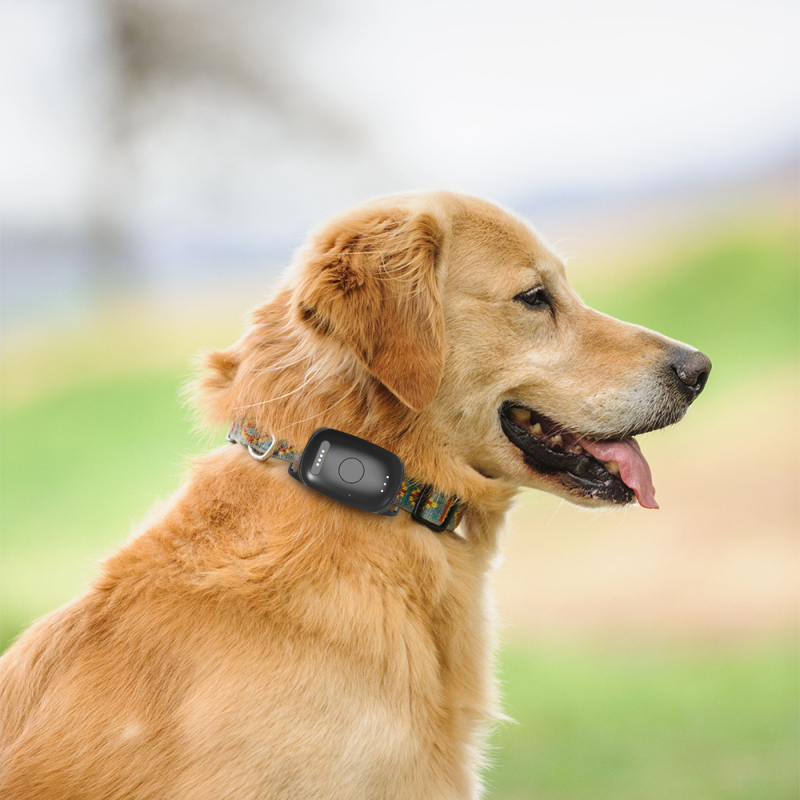
When you begin your search for a dog GPS tracker, the sheer number of available models and tracking technologies can feel overwhelming. Understanding what truly matters—from tracking accuracy to battery endurance to device durability—will help you make an informed decision that keeps your dog safe without breaking the bank or complicating your daily routine.
Tracking Accuracy and Technology Standards
Real-Time Location Updates
The primary function of any dog GPS tracker is to provide accurate location data. A high-quality dog GPS tracker should deliver real-time position updates, allowing you to pinpoint your pet's exact whereabouts within seconds. Look for devices that update location data every 5 to 30 seconds when your dog is moving, as this frequency provides sufficient precision for active pets without draining battery resources excessively. Real-time tracking capability transforms a dog GPS tracker from a basic recovery tool into an active safety device that lets you intervene immediately if your pet approaches danger.
GPS and Cellular Integration
The best dog GPS tracker models combine multiple positioning technologies to maximize accuracy. GPS alone can take 30 seconds to acquire a signal, which proves problematic in dense urban environments or indoors. A superior dog GPS tracker uses GPS as the primary system but supplements it with cellular triangulation and Wi-Fi positioning to maintain location accuracy even when satellite signals are weak. This hybrid approach ensures your dog GPS tracker performs reliably whether your pet is in an open park, dense neighborhood, or even inside a building, making it the most dependable choice for comprehensive coverage.
Battery Life and Charging Convenience
Extended Battery Performance
Battery endurance represents one of the most critical considerations when evaluating a dog GPS tracker. A device that requires charging every 24 hours becomes impractical for most pet owners, as daily charging creates opportunities to forget or overlook the task. An excellent dog GPS tracker should maintain power for at least 5 to 7 days under typical usage conditions. This extended battery life means you can confidently attach the device to your dog's collar or harness without constant worry about it dying during your pet's adventures. When comparing models, always verify the dog GPS tracker's battery specifications under real-world conditions rather than manufacturer's optimistic claims.
Charging Method and Accessibility
The charging mechanism of your dog GPS tracker should be practical and reliable. USB-C charging has become the standard for modern dog GPS tracker models, offering faster charging times and better durability compared to proprietary connectors. Wireless charging is also increasingly common in premium dog GPS tracker options, allowing you to charge without exposing electrical contacts. Consider whether the charging port design allows you to power the dog GPS tracker while it remains attached to your dog's collar, as this convenience factor significantly impacts your willingness to keep the device charged and functional throughout the week.
Durability, Size, and Wearability
Weather Resistance and Build Quality
Your dog GPS tracker will be exposed to rain, mud, saltwater, and rough play on a daily basis, so durability is non-negotiable. Select a dog GPS tracker with an IP67 or higher waterproof rating, which means it can withstand submersion in up to 1 meter of water for 30 minutes. The housing should feature robust materials like reinforced plastic or aluminum that resist cracking from impacts. Water-resistant electronics ensure your dog GPS tracker continues functioning even during swimming sessions or coastal beach outings. Checking customer reviews specifically for durability feedback reveals whether a dog GPS tracker can truly survive an active pet's lifestyle without premature failure.
Weight and Collar Compatibility
The physical design of your dog GPS tracker matters tremendously for your pet's comfort. A tracker weighing more than 60 grams becomes noticeably burdensome for small dogs and may cause neck strain. An ideal dog GPS tracker should weigh under 50 grams and have a compact form factor that integrates seamlessly onto your dog's existing collar without creating bulk or discomfort. Additionally, verify that your chosen dog GPS tracker offers proper attachment options such as secure loops or magnetic connectors that prevent accidental detachment. The best dog GPS tracker designs account for your specific dog's size and breed, ensuring comfort during 8-hour-plus wear periods.
Subscription Features, Geofencing, and Data Privacy
Geofencing and Alert Capabilities
Modern dog GPS tracker technology extends beyond simple location viewing. Advanced models include geofencing features that automatically alert you when your dog GPS tracker leaves a designated safe zone. This proactive alert system transforms your dog GPS tracker into an escape prevention tool, notifying you the instant your pet approaches a boundary or exits the yard. When evaluating a dog GPS tracker, ensure the geofencing system allows customizable zones and offers multiple alert channels such as push notifications, emails, and SMS messages. The ability to adjust geofence boundaries quickly adapts your dog GPS tracker to different environments—whether you're at home, visiting a friend, or traveling.
Subscription Costs and Data Security
Nearly every dog GPS tracker requires an active cellular subscription to transmit location data, with monthly costs typically ranging from $5 to $25. Before committing to a specific dog GPS tracker model, review the subscription terms to understand total ownership cost over one, three, and five-year periods. Some dog GPS tracker providers lock you into longer contracts, while others offer flexible monthly plans that allow you to pause service seasonally. Equally important is data privacy—your dog GPS tracker collects location information that could be sensitive. Choose a dog GPS tracker provider with transparent privacy policies, encrypted data transmission, and no history of selling user location data to third parties. Reading independent privacy audits specific to your dog GPS tracker choice helps ensure your family's security practices align with vendor standards.
FAQ
Can a dog GPS tracker work without a cell phone plan?
Most dog GPS tracker models require a cellular data plan separate from your personal phone plan to transmit tracking information to the cloud and your mobile app. However, some dog GPS tracker devices offer Bluetooth-only functionality that allows tracking over short distances (typically 30-100 feet) without requiring an active subscription. These Bluetooth-limited dog GPS tracker options work well only if you're searching for your dog within your immediate neighborhood, but they don't provide genuine protection for lost dogs that travel significant distances. For comprehensive safety, opt for a dog GPS tracker with full cellular connectivity.
How accurate is a dog GPS tracker in urban environments?
A dog GPS tracker's accuracy in cities depends heavily on its technology blend. Devices relying solely on GPS struggle in urban canyons where tall buildings block satellite signals, often showing accuracy within 50-100 meters. Superior dog GPS tracker models that combine GPS with cellular triangulation and Wi-Fi positioning achieve accuracy within 10-30 meters even in dense downtown areas. If your dog spends significant time in urban settings, prioritize a dog GPS tracker that explicitly mentions multi-technology positioning rather than GPS-only designs, as this ensures reliable tracking where you need it most.
What happens if my dog GPS tracker gets lost or damaged?
Most quality dog GPS tracker manufacturers offer replacement or repair programs with reasonable costs typically ranging from $25 to $75 depending on damage severity. Some dog GPS tracker providers include accidental damage coverage in premium subscription tiers. If your dog GPS tracker is truly lost, you can remotely disable it to prevent unauthorized access to your location history. Review the warranty and damage protection options before purchasing your dog GPS tracker, as these safeguards represent important insurance against device failures that inevitably occur with active pets.


 Office:29th Floor,Changjiang Center, Renmin Road, Longhua, Shenzhen.
 Factory: 201# Building 1A, Nankechuang Yuangu, Gaofeng Road, Longhua, Shenzhen.
 +86 15899795842
