Indoor GPS Tracking Solutions: Precise Location Technology for Enhanced Business Operations

indoor gps tracking

Indoor GPS tracking represents a revolutionary advancement in location technology, specifically designed to provide accurate positioning and navigation within enclosed spaces where traditional satellite-based GPS systems fail to operate effectively. Unlike conventional outdoor GPS tracking that relies on satellite signals, indoor GPS tracking utilizes a sophisticated combination of technologies including Wi-Fi positioning, Bluetooth Low Energy beacons, ultra-wideband technology, and inertial measurement units to deliver precise location data within buildings, warehouses, shopping centers, hospitals, and other indoor environments. The main functions of indoor GPS tracking encompass real-time asset monitoring, personnel location services, inventory management, emergency response coordination, and navigation assistance for visitors and employees. This technology operates through strategically placed infrastructure components such as wireless access points, beacon networks, and sensor arrays that create a comprehensive positioning grid throughout the indoor space. The system continuously calculates positions using triangulation methods, signal strength measurements, and advanced algorithms that process multiple data sources simultaneously. Key technological features include sub-meter accuracy levels, seamless integration with existing building management systems, scalable deployment options, and compatibility with various mobile devices and IoT sensors. Indoor GPS tracking applications span across numerous industries including healthcare facilities for patient and equipment monitoring, retail environments for customer analytics and staff coordination, manufacturing plants for workflow optimization, educational institutions for campus safety, and logistics centers for inventory control. The technology also supports geofencing capabilities, allowing organizations to create virtual boundaries and trigger automated responses when tracked objects or individuals enter or exit designated areas. Modern indoor GPS tracking systems feature cloud-based platforms that provide centralized management, historical data analysis, and customizable reporting tools that help organizations make informed decisions based on location intelligence and movement patterns within their facilities.

Popular Products

Indoor GPS tracking delivers substantial operational improvements that directly impact business efficiency and cost reduction across multiple organizational levels. Organizations implementing this technology experience enhanced asset utilization rates, with studies showing up to forty percent reduction in time spent searching for equipment, tools, and inventory items throughout their facilities. The system provides real-time visibility into resource allocation, enabling managers to optimize workflows and eliminate bottlenecks that traditionally slow down operations. Employee productivity increases significantly as staff members spend less time navigating complex building layouts or searching for colleagues, equipment, and meeting rooms. Safety benefits represent another crucial advantage, as indoor GPS tracking enables rapid emergency response coordination by providing exact locations of personnel during crisis situations, reducing evacuation times and improving overall workplace security. The technology supports compliance requirements in regulated industries by maintaining detailed audit trails of personnel movements, equipment usage, and access to restricted areas. Cost savings emerge through reduced equipment loss, improved maintenance scheduling based on actual usage patterns, and optimized space utilization that can defer expensive facility expansions. Indoor GPS tracking enhances customer experience in retail and hospitality environments by providing personalized navigation assistance, proximity-based promotions, and reduced wait times through better staff deployment. Healthcare facilities benefit from improved patient care through faster response times, reduced medical equipment downtime, and enhanced infection control protocols based on movement tracking data. The system supports data-driven decision making by generating comprehensive analytics reports that reveal usage patterns, traffic flows, and operational inefficiencies that might otherwise remain undetected. Integration capabilities allow seamless connection with existing enterprise systems including inventory management, human resources platforms, and building automation systems, maximizing return on technology investments. Scalability ensures that organizations can start with pilot implementations and gradually expand coverage areas without requiring complete system overhauls, making indoor GPS tracking accessible to businesses of all sizes while maintaining consistent performance levels and accuracy standards across extended deployment phases.

Practical Tips

How long is the battery life?

12

Nov

How long is the battery life?

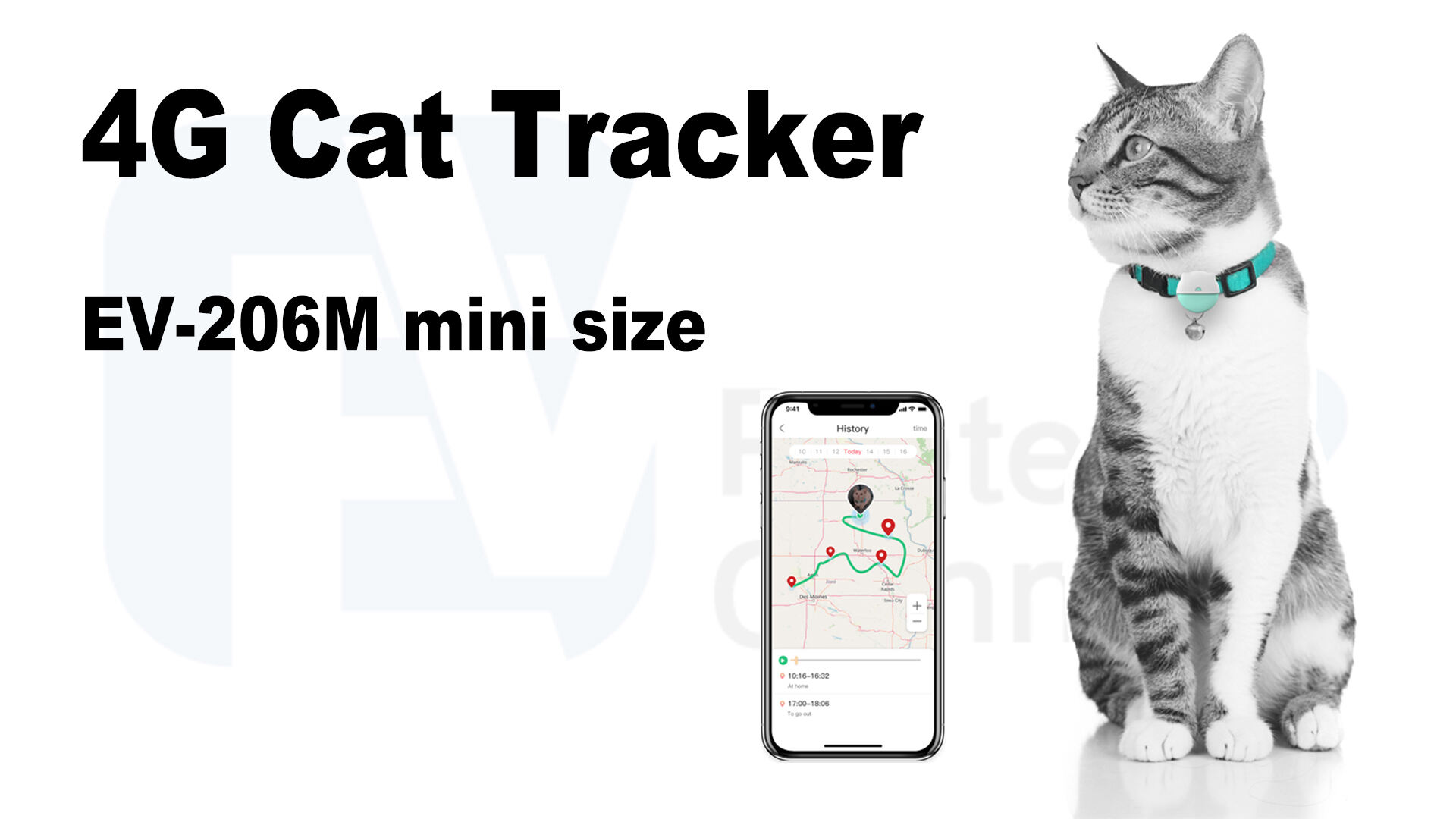
Discover the battery life of Eview GPS pet trackers, designed to provide long-lasting tracking to keep your pet safe over extended periods.
View More
Is there a warranty for the devices?

12

Nov

Is there a warranty for the devices?

Understand the warranty policies for Eview GPS devices, offering you peace of mind and protection for your pet tracking investment.
View More
Why my location is not accurate sometimes?

12

Nov

Why my location is not accurate sometimes?

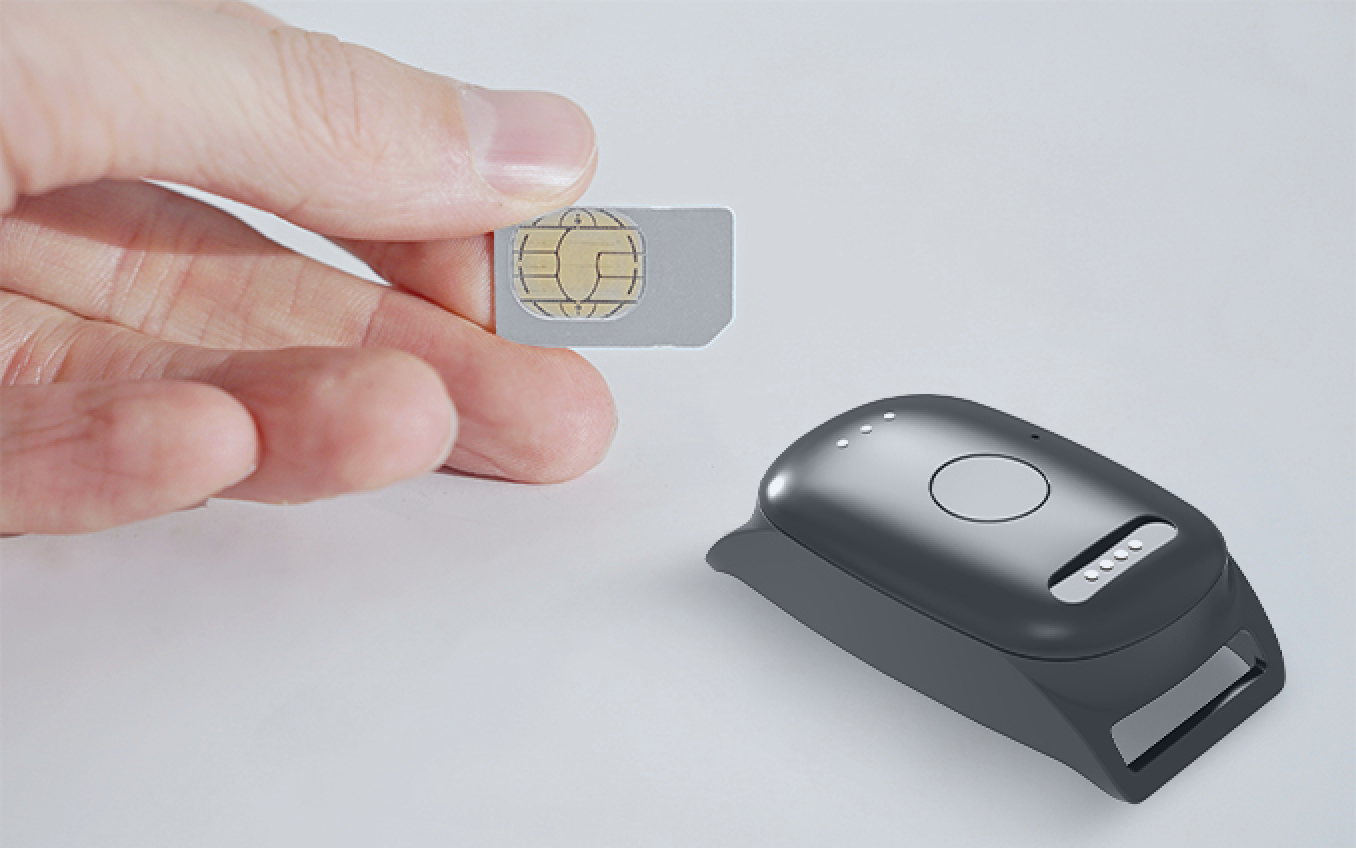
Understand the factors that may cause occasional location inaccuracies with Eview GPS devices, including network conditions and environmental influences.
View More

Get a Free Quote

Our representative will contact you soon.
Email
Name
Company Name
Message
0/1000

indoor gps tracking

Precision Location Accuracy for Critical Operations

Precision Location Accuracy for Critical Operations

Indoor GPS tracking systems deliver exceptional positioning accuracy that transforms how organizations manage their most valuable assets and personnel within complex indoor environments. Advanced triangulation algorithms combined with multiple signal sources achieve positioning precision within one to three meters, significantly outperforming traditional indoor location methods. This accuracy level proves essential for healthcare facilities tracking life-saving medical equipment, manufacturing plants monitoring high-value machinery, and retail environments managing inventory across multiple floors and storage areas. The technology employs sophisticated signal processing techniques that filter environmental interference and compensate for structural obstacles like concrete walls, metal fixtures, and electronic equipment that typically disrupt location signals. Multi-sensor fusion capabilities integrate data from Wi-Fi access points, Bluetooth beacons, accelerometers, gyroscopes, and magnetometers to create robust positioning solutions that maintain accuracy even in challenging environments with signal reflections and dead zones. Real-time calibration features continuously optimize system performance by learning from environmental changes and adjusting algorithms accordingly, ensuring consistent accuracy over time without requiring manual interventions. The precision enables organizations to implement micro-location services such as shelf-level inventory tracking, room-specific personnel monitoring, and zone-based automation triggers that respond to exact positioning requirements. Quality assurance processes benefit tremendously from this accuracy as organizations can verify compliance with standard operating procedures, track asset utilization patterns down to specific workstations, and maintain detailed records of personnel access to sensitive areas. Emergency response capabilities are significantly enhanced when responders can locate individuals within specific rooms or even particular areas within large open spaces, reducing search and rescue times during critical situations. The accuracy also supports advanced analytics applications that analyze traffic patterns, space utilization efficiency, and operational bottlenecks with granular detail that enables precise optimization recommendations and evidence-based facility planning decisions.
Seamless Integration with Enterprise Systems

Seamless Integration with Enterprise Systems

Indoor GPS tracking platforms excel in their ability to integrate smoothly with existing enterprise infrastructure, creating unified ecosystems that maximize operational efficiency without disrupting established workflows or requiring extensive system replacements. Modern integration architectures support standard protocols including REST APIs, MQTT messaging, and database connectivity options that allow seamless data exchange with enterprise resource planning systems, customer relationship management platforms, inventory management software, and building automation networks. This connectivity enables organizations to leverage location data across multiple business applications, creating comprehensive operational intelligence that spans departments and functional areas. Integration capabilities extend to mobile device management systems, allowing organizations to deploy tracking functionality through existing smartphone and tablet fleets without requiring additional hardware investments or complex installation procedures. The technology supports single sign-on authentication systems, ensuring that indoor GPS tracking access aligns with existing security protocols and user management frameworks while maintaining data integrity and access controls. Workflow automation becomes significantly more powerful when indoor GPS tracking data triggers actions in connected systems, such as automatically updating inventory records when assets move between locations, generating maintenance requests based on equipment usage patterns, or adjusting climate controls based on occupancy data from different facility zones. Real-time synchronization capabilities ensure that location updates propagate immediately across all integrated systems, enabling coordinated responses and preventing delays that could impact operational efficiency. The platform architecture accommodates both cloud-based and on-premises deployment models, allowing organizations to maintain compliance with data residency requirements while accessing advanced analytics and reporting capabilities. Customizable dashboards aggregate data from multiple integrated sources, providing stakeholders with comprehensive views that combine location intelligence with operational metrics from various enterprise systems. API documentation and developer resources facilitate custom integration projects that address unique organizational requirements, while pre-built connectors for popular enterprise software platforms accelerate deployment timelines and reduce implementation costs associated with complex integration projects.
Scalable Deployment for Growing Business Needs

Scalable Deployment for Growing Business Needs

Indoor GPS tracking solutions demonstrate exceptional scalability characteristics that accommodate organizations ranging from small office environments to massive industrial complexes, providing flexible deployment options that grow alongside evolving business requirements without compromising performance or accuracy standards. Modular infrastructure components allow organizations to begin with targeted pilot implementations covering critical areas while maintaining the capability to expand coverage systematically across entire facilities or multiple locations as needs develop and budgets permit. The technology architecture supports horizontal scaling through the addition of positioning nodes, wireless access points, and sensor networks that integrate seamlessly with existing installations, eliminating the need for complete system replacements during expansion phases. Cloud-based management platforms provide virtually unlimited data processing and storage capabilities that automatically scale to accommodate increasing numbers of tracked assets, personnel, and location data points without requiring infrastructure upgrades or performance degradation. Network architecture flexibility enables deployment across various building types and sizes, from single-floor offices requiring basic coverage to multi-building campuses needing comprehensive tracking capabilities across diverse architectural environments with different structural characteristics and technical requirements. The system accommodates mixed deployment scenarios where different facility areas may require varying levels of tracking precision and functionality, allowing organizations to optimize costs by deploying appropriate technology levels based on specific operational requirements rather than implementing uniform solutions across all areas. Multi-tenant capabilities support organizations with multiple locations or departments that require isolated tracking environments while maintaining centralized management and reporting capabilities that provide enterprise-wide visibility. Licensing models offer flexible options including per-device, per-location, and usage-based pricing structures that align with different organizational budgets and growth projections while avoiding large upfront investments that might delay implementation decisions. Performance monitoring tools provide administrators with detailed insights into system capacity utilization, helping organizations plan expansion activities and optimize resource allocation to maintain optimal performance levels as tracked populations grow and facility usage patterns evolve over time.

Related Search

indoor gps tracking-2 indoor gps tracking-3 indoor gps tracking-4 indoor gps tracking-5