Comprehensive Health and Activity Monitoring Capabilities
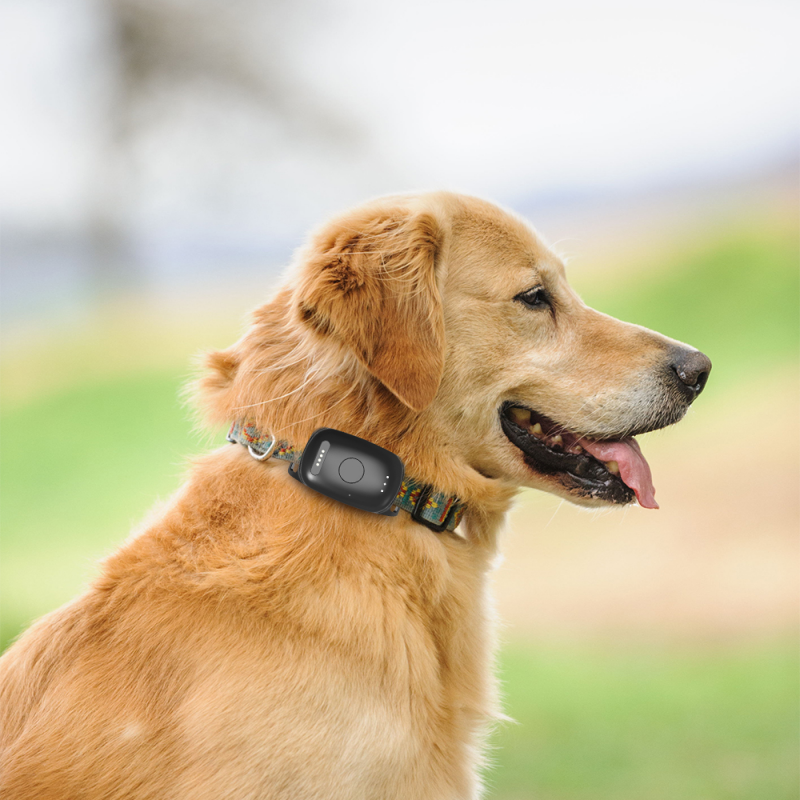
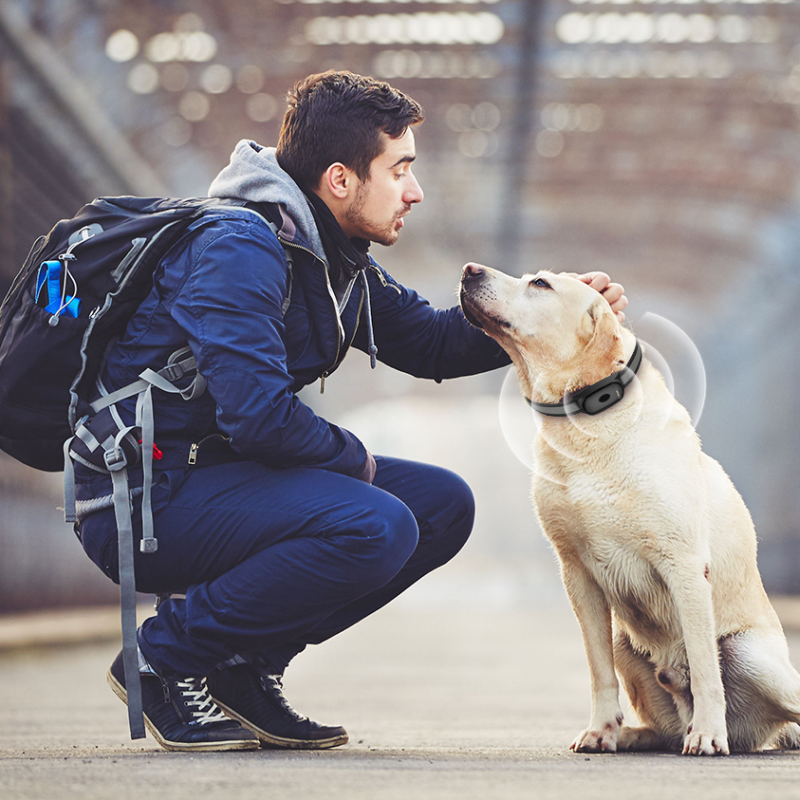
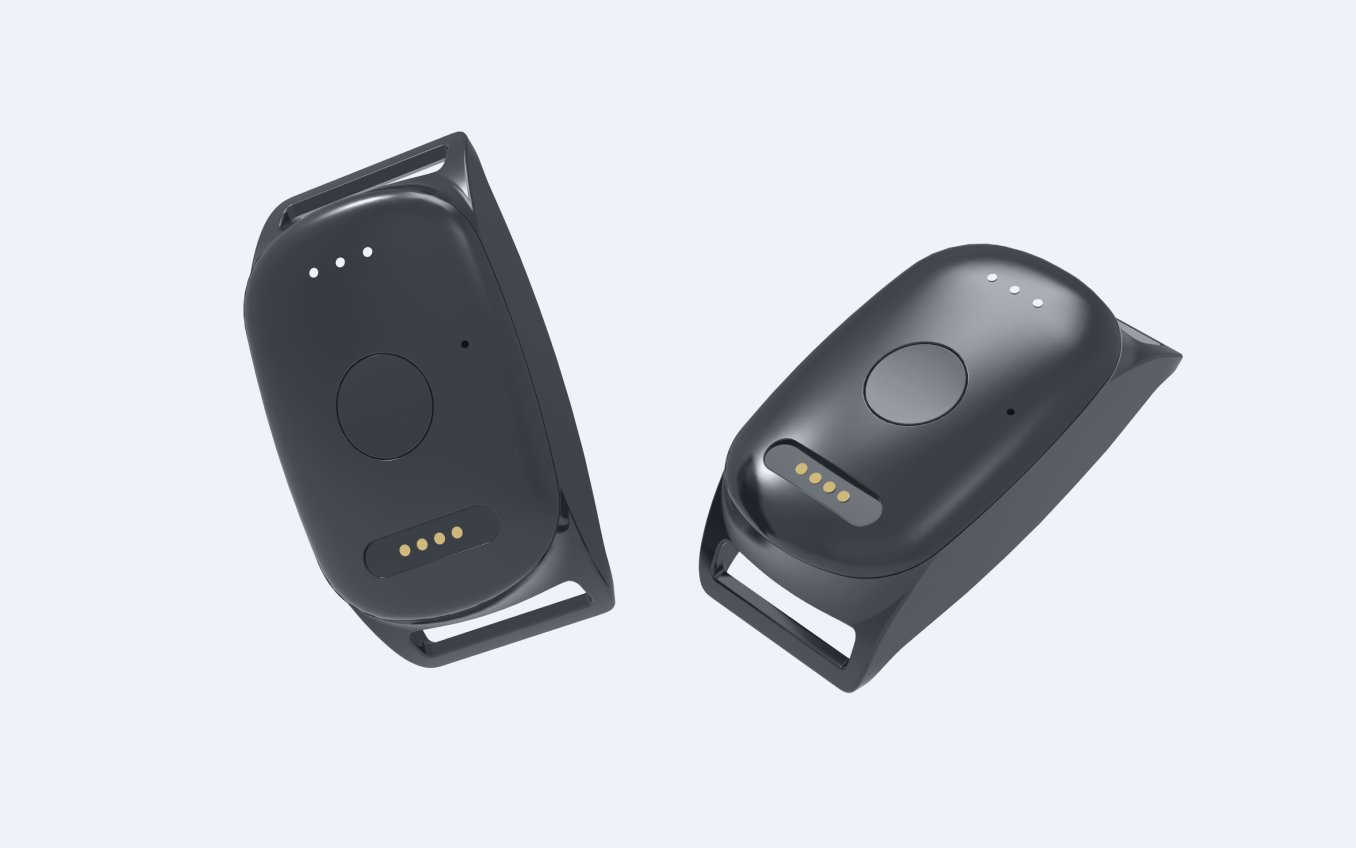
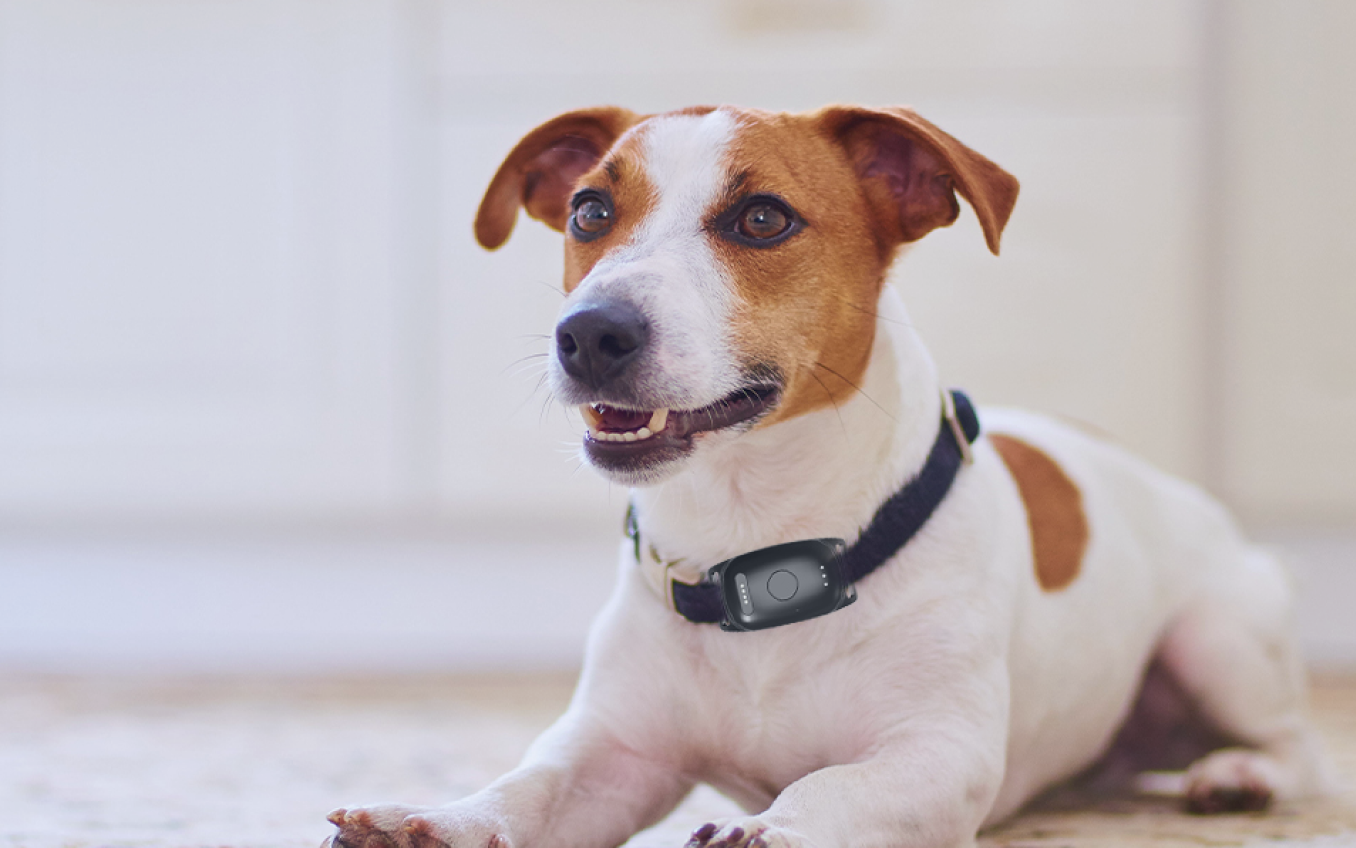
The cellular pet tracker extends far beyond basic location services by incorporating comprehensive health and activity monitoring features that provide pet owners with valuable insights into their animal's daily wellness patterns, exercise levels, and behavioral changes that might indicate emerging health concerns. Advanced accelerometer technology measures movement intensity, duration, and frequency, creating detailed activity profiles that help owners ensure their pets receive appropriate exercise levels for optimal physical condition and mental stimulation. The device automatically distinguishes between different types of activities, including walking, running, playing, resting, and sleeping, providing granular data that reveals behavioral patterns and helps identify deviations from normal routines that could suggest illness, injury, or emotional distress. Sleep quality monitoring tracks rest periods and movement during sleep, alerting owners to potential discomfort, anxiety, or medical issues that might disrupt normal sleep patterns and require veterinary evaluation. The system establishes baseline activity levels for individual pets, accounting for age, breed characteristics, and personal energy levels to provide personalized recommendations for exercise goals and health maintenance strategies. Integration with veterinary records allows healthcare providers to access objective activity data during examinations, supporting more accurate diagnoses and treatment plans based on concrete behavioral evidence rather than subjective owner observations alone. The cellular pet tracker identifies sudden activity changes that might indicate injury, illness onset, or emotional stress, sending immediate alerts that enable prompt medical intervention when early treatment proves most effective. Weight management programs benefit significantly from precise activity tracking that correlates exercise levels with caloric needs, helping owners maintain optimal body condition through data-driven feeding and exercise adjustments. Senior pet monitoring becomes more effective through continuous activity assessment that tracks mobility changes, joint stiffness indicators, and energy level fluctuations that guide age-appropriate care modifications and comfort measures. The technology supports rehabilitation programs by providing objective progress measurements during recovery from surgery, injury treatment, or physical therapy regimens that require careful activity level management. Behavioral training initiatives receive enhanced support through movement pattern analysis that reveals environmental triggers, stress indicators, and positive response patterns that inform more effective training strategies tailored to individual pet personalities and learning styles.




 Office:29th Floor,Changjiang Center, Renmin Road, Longhua, Shenzhen.
 Factory: 201# Building 1A, Nankechuang Yuangu, Gaofeng Road, Longhua, Shenzhen.



 +86 15899795842
